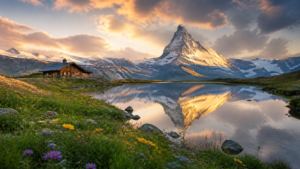
Swiss Alps hiking in 2026 offers beginners an unparalleled combination of breathtaking scenery, world-class infrastructure, and meticulously maintained trails designed for safe, accessible adventure.
Why Are the Swiss Alps the World’s Best First Mountain Hiking Experience?
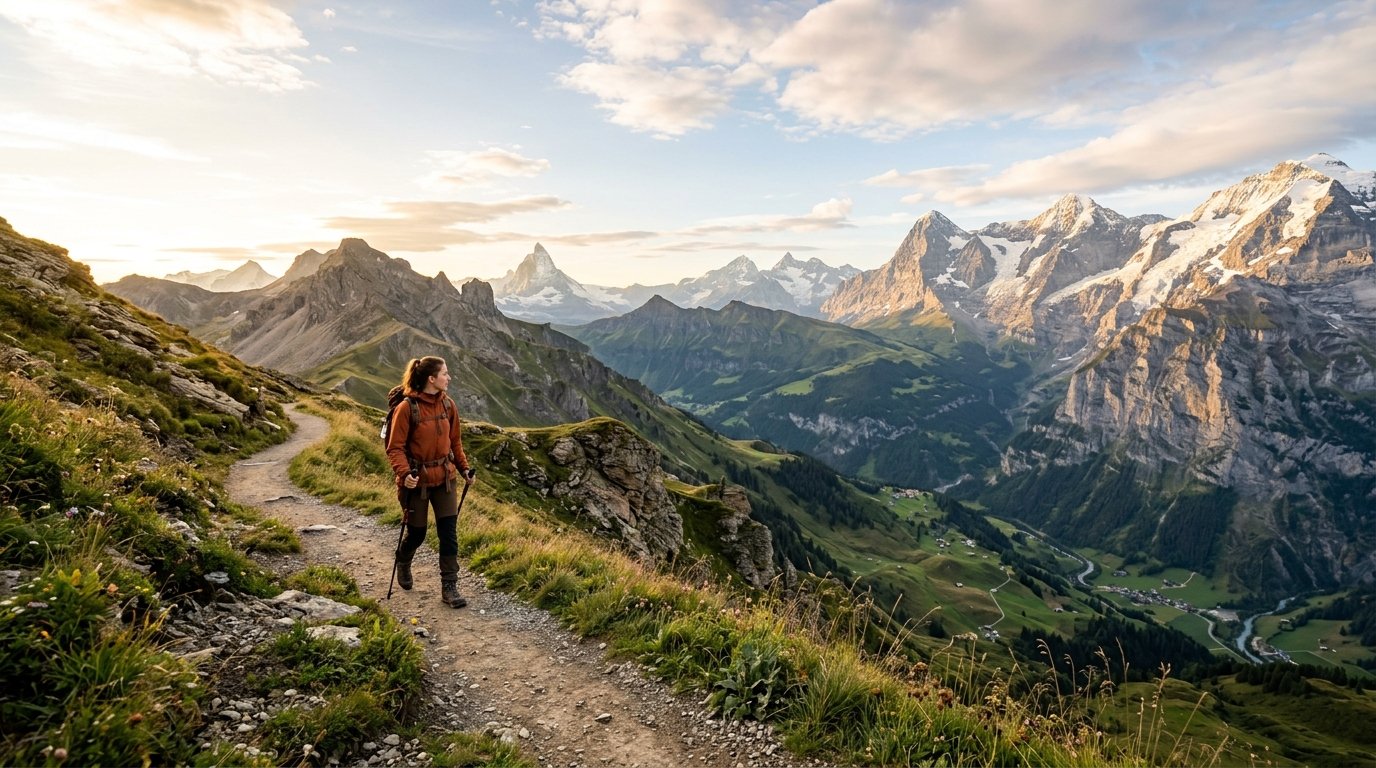
For a first-time alpine hiker, Switzerland presents a uniquely supportive and fail-safe environment. This stems from a national ethos, codified into law, that guarantees public access to the mountains via the “Wanderweg” (Wandering Path) network. The result is over 65,000 kilometers of trails uniformly marked and maintained to exacting standards. Unlike more rugged ranges, Switzerland’s mountains are integrated with a seamless public transport system—a network of cogwheel trains, gondolas, and postal buses that function as a vertical elevator. This allows beginners to bypass grueling ascents and start their hikes amidst high-altitude panoramas without requiring elite fitness. In 2026, key upgrades like the renewed Grindelwald-Männlichen gondola (with 30% increased capacity) and fully integrated digital ticketing via the SBB Mobile app make this system more efficient than ever. Combined with supportive mountain villages offering gear rentals, guiding services, and reliable weather information, the Swiss Alps remove the traditional barriers to mountain exploration, creating the ultimate beginner-friendly destination.
How Do You Read the Swiss Trail System Like a Pro?
Navigating the Swiss Alps safely begins with mastering the Swiss Alpine Club (SAC) trail difficulty scale. Established in 1934, this universal system categorizes every marked path from T1 (easiest) to T6 (most difficult) based on terrain, exposure, and required technical skill. The signage is consistent nationwide: yellow diamonds for T1, white-red-white stripes for T2, and white-blue-white for T3. Crucially, these ratings assume ideal summer conditions; rain, snow, or ice can instantly elevate a trail’s difficulty by one or two levels. Before any hike in 2026, always consult real-time condition reports on SchweizMobil or local tourist office websites.
| SAC Grade | Trail Markers | Terrain & Technical Description | Beginner Suitability & Essential Gear |
|---|---|---|---|
| T1 (Hiking Trail) | Yellow diamonds & signs | Wide, well-engineered paths, often with compacted gravel. Maximum gradient under 20%. No exposure to fall hazards. Example: Lauterbrunnen Valley floor. | Perfect for all beginners. Sturdy walking shoes suffice. Trekking poles optional for comfort. Navigation is intuitive. |
| T2 (Mountain Trail) | White-Red-White stripes | Natural, uneven terrain with roots, rocks, and steeper sections (up to 40%). May include narrow passages with mild exposure. Example: Bachalpsee trail from First. | Suitable for fit beginners. Ankle-supporting hiking boots are mandatory. Trekking poles are highly recommended. A head for heights is beneficial. |
| T3 (Demanding Mountain Trail) | White-Blue-White stripes | Often exposed paths with scrambling sections requiring hand use for balance. Significant fall risk. Requires proven sure-footedness and mountain experience. | Not recommended for beginners. Requires detailed planning, often a guide, and specific gear like a helmet for rockfall zones. |
| T4-T6 (Alpine Routes) | Blue-White or unmarked | Involves glacier travel, climbing, and severe exposure. Demands alpine navigation skills and technical equipment like ropes, crampons, and ice axes. | For certified alpinists only. These are mountaineering expeditions, not hikes. |
What Gear Do You Need for a Safe and Comfortable Hike in 2026?
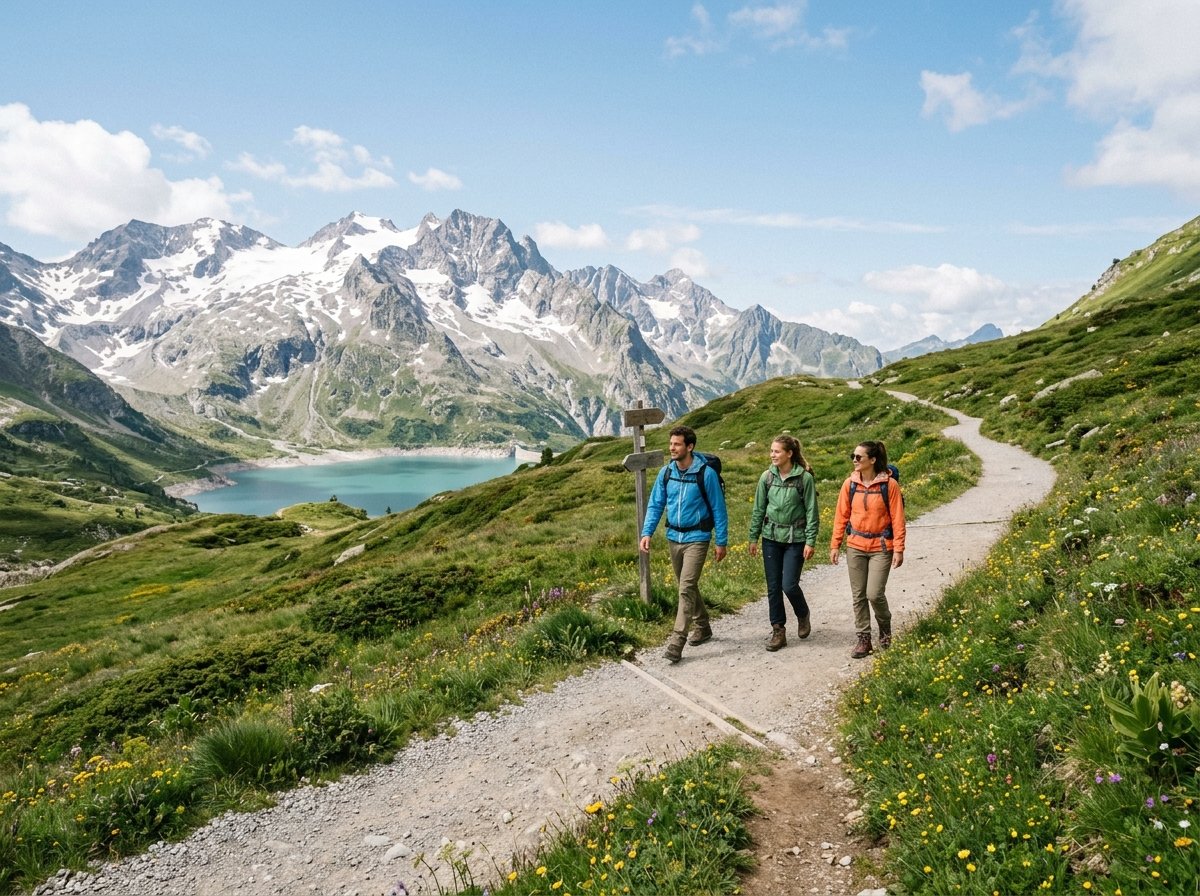
Investing in the right equipment is non-negotiable for safety and enjoyment in the alpine environment. The core principle is layering and preparedness for rapid weather changes. For 2026, focus on lightweight, versatile, and weather-ready items tailored to the SAC trail grade you plan to tackle.
- Footwear: For T1 trails, sturdy hiking shoes with aggressive tread are sufficient. For any T2 trail or higher, waterproof hiking boots with robust ankle support are mandatory. Break them in with at least 30-50 kilometers of walking before your trip.
- The Layering System: Alpine weather is volatile. Use a moisture-wicking synthetic or merino wool base layer, an insulating mid-layer (lightweight fleece or puffy jacket), and a waterproof, breathable outer shell with taped seams. Avoid cotton entirely.
- Backpack (20-30 Liters): A comfortable daypack with hip and sternum straps is essential. Pack: at least 1.5-2 liters of water per person, high-energy snacks, a basic first-aid kit, sunscreen (SPF 50+), lip balm with SPF, sunglasses (UV 400), a wide-brimmed hat, and a lightweight headlamp.
- Navigation: Always carry a physical SAC 1:25,000 topographic map and a compass as a fail-safe. The SwissTopo and SwitzerlandMobility apps offer excellent offline maps. Ensure your phone is charged; a compact 10,000mAh power bank is wise.
- Trekking Poles: Highly recommended, especially for T2 trails and descents. They reduce impact on knees by up to 25% and provide critical stability. Consider lightweight, collapsible models.
- 2026-Specific Tech: For remote trails, consider a compact personal locator beacon (PLB) or satellite messenger. The updated MeteoSwiss and “White Risk” apps provide hyper-local weather and avalanche forecasts, crucial for early or late-season hikes.
Which Iconic Beginner Trails in the Jungfrau Region Should You Hike First?
The Jungfrau Region, anchored by Interlaken, Grindelwald, and Lauterbrunnen, boasts the world’s densest concentration of accessible alpine trails. 2026 sees the full integration of recent infrastructure, making exploration smoother.
Panorama Trail: Männlichen to Kleine Scheidegg
This legendary walk delivers the iconic north face of the Eiger directly into your viewfinder with minimal effort. The Grindelwald-Männlichen gondola ascends over 1,200 meters, depositing hikers at 2,342 meters. The wide, well-graded path then descends gently for 4.5 kilometers along a panoramic ridge.
- Grade: T1.
- Distance & Duration: 4.5 km one-way; 1 hour 15 minutes walking.
- Elevation Change: Net descent of 281 meters.
- 2026 Logistics & Cost: One-way gondola fare from Grindelwald to Männlichen is CHF 42. A Swiss Travel Pass or Half-Fare Card offers a 50% discount. Book combined tickets on the SBB Mobile app to secure timed slots in July and August.
- Pro Tip: Hike before 9:30 AM for the best morning light on the Eiger and to avoid midday crowds.
Bachalpsee Lake from Grindelwald First
A short, rewarding hike to a pristine alpine lake famed for its perfect mountain reflections. The First Gondola rises to 2,168 meters, where a clearly marked trail leads 3 kilometers to Bachalpsee at 2,265 meters.
- Grade: T2 due to steady ascent over rocky, uneven terrain.
- Distance & Duration: 6 km round trip; allow 2 hours including photography.
- Elevation Gain: +97 meters to the lake.
- 2026 Logistics: Round-trip gondola fare is CHF 76. For the 2026 peak season (July 15-August 25), pre-book gondola time slots online.
- Photography Insight: The water is most mirror-like before 10 AM. Afternoon clouds typically form by 1 PM.
Where Can Beginners Find Solitude on These Hidden Gem Trails?
Venturing beyond the famous hubs rewards hikers with profound solitude, authentic culture, and equally stunning scenery. These lesser-known regions boast impeccable Swiss infrastructure without the peak-season crowds.
Val Roseg Glacier Trail, Pontresina
Located in the sunny Engadin Valley, this gentle trail combines fragrant larch forests with direct access to a glacial moraine. A postbus shortens the approach, making the hike customizable.
- Grade: T1.
- Distance & Duration: Up to 14 km round-trip from Pontresina; customizable with postbus. Allow 2-4 hours.
- Elevation Gain: Approximately 93 meters from the bus terminus.
- Logistics: Postbus from Pontresina costs CHF 8.40 one-way (free with Swiss Travel Pass). For a unique twist, hire a traditional horse-drawn carriage.
- Wildlife Note: Early mornings offer high chances of spotting ibex and chamois.
Aletsch Glacier Panorama Trail: Bettmerhorn to Eggishorn
This high-altitude path runs parallel to the Great Aletsch Glacier, a UNESCO World Heritage site and the largest glacier in the Alps, stretching 23 kilometers.
- Grade: T2 due to altitude (2,200-2,927m) and some exposed sections.
- Distance & Duration: Full traverse is 10 km (3.5 hours). A shorter section from Bettmerhorn to Moosfluh is 4 km (1.5 hours).
- Elevation: Contouring with undulations up to 150 meters.
- 2026 Logistics: Cable car from Betten to Bettmeralp costs CHF 38 round-trip. Check lift schedules, as some undergo maintenance in early June.
- Geological Wonder: The glacier is over 900 meters thick at its center.
Foroglio Waterfall Trail, Val Bavona (Ticino)
Discover a different side of Switzerland in the Italian-speaking canton of Ticino. This hidden valley features a dramatic 110-meter waterfall cascading over polished granite.
- Grade: T1 with optional T2 sections near the waterfall base.
- Distance & Duration: 3 km round trip from Foroglio village; about 1 hour walking.
- Elevation Gain: 80 meters to the main viewpoint.
- Logistics: Drive or take the postbus from Locarno to Cavergno, then transfer to Foroglio. The waterfall is most impressive from May to October.
- Cultural Note: Sample traditional polenta in a village “grotto” and admire the dry-stone architecture.
Seealpsee Lake Circuit, Appenzell
Experience the rolling, pastoral beauty of the Alpstein region on this idyllic loop to a crystal-clear mountain lake. The trail starts from the traditional car-free village of Wasserauen.
- Grade: T2 (due to steady ascent).
- Distance & Duration: 10.5 km loop; 3-4 hours.
- Elevation Gain: Approximately 450 meters.
- Logistics: Train to Wasserauen station. No cable car needed. The rustic Seealpsee lakeside restaurant is perfect for a lunch break.
- Hidden Gem: Extend the hike to the nearby Meglisalp plateau for even more stunning views and a glimpse of traditional alpine farming.
When Is the Absolute Best Time for Beginners to Hike in 2026?
Seasonal timing dramatically affects trail conditions, weather, and crowds. For 2026, climate models suggest a continued trend of earlier snowmelt, but always verify with local sources like SAC trail reports and lift company websites.
| Season (2026) | Conditions & Key Factors | Recommended Regions & Pro Tips |
|---|---|---|
| Late June to Mid-July | Early Summer. Most trails above 2,000m open by June 20-25. Lower valleys explode with wildflowers. Residual snow possible on north-facing slopes. | Zermatt (south-facing slopes), lower Bernese Oberland trails. Check daily for snow patches. Pack microspikes as a precaution. |
| Mid-July to Late August | High Season. All trails open. Warmest weather (valleys up to 25°C/77°F). Afternoon thunderstorms common. Maximum crowds. | All regions. Book accommodation and key gondola tickets 4-6 months in advance. Start hikes by 7:30 AM to beat crowds and storms. |
| September to Early October | Prime “Shoulder” Season. Crowds drop significantly after September 10. Stable, crisp weather (10-15°C). Spectacular golden larch displays in Engadin and Valais from late September. | Engadin Valley, Aletsch Glacier, Ticino. Ideal for photography. Note: Many cable cars reduce hours after September 25. |
| Mid-October Onwards | Winter Transition. Snowfall begins above 2,000m. Most high-altitude lifts close by October 20-25. Hiking limited to valley floors. | Lauterbrunnen Valley, Lake Geneva region. Daylight shortens. Meticulously check lift closures. |
Weather Intelligence: Alpine weather is notoriously fickle. Rely on the official MeteoSwiss app for altitude-specific forecasts. Remember the golden rule: temperature drops roughly 0.65°C for every 100 meters of elevation gain.
How Can You Experience the Swiss Alps on a Realistic Budget in 2026?
While Switzerland is expensive, strategic planning can significantly reduce costs. The key is leveraging the public transport system and making smart, informed choices.
- Strategic Passes: For extensive travel, the Swiss Travel Pass offers unlimited travel on trains, buses, and boats, plus 50% discounts on most mountain railways. For intensive hiking in one region, a regional pass like the Regional Pass Bernese Oberland or the Peak Pass in Zermatt often offers better value. Calculate your itinerary carefully.
- Accommodation: Stay in valley towns like Interlaken, Spiez, or Brig instead of resort villages like Grindelwald or Zermatt. Consider mountain hostels (like Swiss Youth Hostels) or “Mountain Huts” (Berghütten) for a rustic, affordable experience; book these months in advance.
- Food & Supplies: Pack a picnic lunch from a local supermarket (Coop, Migros). Use mountain huts for a coffee or soup break instead of full, expensive meals. Always carry a reusable water bottle and refill at public fountains, which offer pristine drinking water.
- Free Activities: The hiking itself is the main free activity. Many trails, like the Lauterbrunnen Valley walk, require no lift tickets. Research “Naturlehrpfad” (nature trails) for free, educational walks. Many museums are free with the Swiss Travel Pass.
- Travel Smart: Use slower regional trains instead of premium panoramic trains. Consider purchasing a Half-Fare Card if staying longer than a week. For groups, the Swiss Family Card allows children under 16 to travel free with a parent.
What Are the Non-Negotiable Safety Rules for Alpine Hiking?
Respecting the mountains is paramount for a safe and enjoyable experience. Beyond proper gear, strict adherence to these protocols is essential.
- Check Conditions Twice: Always consult the official MeteoSwiss forecast and a dedicated mountain weather site for your specific altitude. Check trail conditions on SchweizMobil or local tourist office sites for snow, ice, or closures. Never assume a trail is open.
- Start Early, Finish Early: Begin your hike by 8 AM to avoid afternoon thunderstorms, which are common in summer, and to secure parking or lift access. Plan to be off the trail and back at a transport point by 4 PM.
- Inform Someone: Always tell your hotel host or a friend your planned route, trail number, and expected return time. Note the emergency number in Switzerland is 112. The Rega emergency app can provide your GPS coordinates to rescue services.
- Know Your Limits: The SAC scale is a guide, not a challenge. If a trail feels too exposed, difficult, or the weather deteriorates, turn back immediately. There is no shame in choosing a lower-grade alternative.
- If Weather Turns: If you see clouds building rapidly, feel a sudden temperature drop, or hear thunder, descend immediately. Do not wait. Seek shelter in a mountain station or hut. If caught in a lightning storm, avoid ridges, solitary trees, and open fields; crouch low on your insulating sleeping mat.
- Leave No Trace: Preserve the pristine environment. Pack out all trash, stay on marked trails to protect fragile flora, and do not feed or approach wildlife.
FAQ
I have never hiked in the mountains before. Is this guide truly suitable for me?
Absolutely. The Swiss Alps are uniquely beginner-friendly due to the unparalleled public transport network that accesses high altitudes, the clearly marked and maintained T1 and T2 trail network, and the widespread availability of support services. Starting with a flat T1 trail like the Lauterbrunnen Valley walk or a short, gondola-assisted hike like Riffelsee is a perfect and safe introduction. Always choose a trail matching your fitness, check real-time conditions, and inform someone of your plans.
How can I manage the high cost of hiking in Switzerland in 2026?
Strategic planning is key. Invest in a Swiss Travel Pass or a regional pass for unlimited travel and discounts. Save on accommodation by staying in valley towns like Interlaken instead of resort villages. Pack your own lunch from supermarkets and use public drinking fountains. Prioritize free activities like valley floor walks and use mountain transport selectively for the most impactful high-altitude experiences.
What should I do if the weather turns bad during my hike?
Swiss mountain weather can change rapidly. If conditions deteriorate, your priority is to descend to a lower elevation immediately. Do not wait for the rain to start or the fog to thicken. Head back the way you came or towards the nearest shelter, such as a mountain hut or cable car station. Always carry a waterproof layer and a headlamp in your daypack for such situations. If visibility drops to near zero or lightning is present, find a safe, low spot away from ridges and wait it out.
Are the trails well-marked, or will I need advanced navigation skills?
The Swiss trail network is famously well-marked. T1 and T2 trails are signed with frequent, clear markers (yellow diamonds and white-red-white stripes, respectively). At every junction, you will find a signpost indicating direction, destination, walking time, and trail number. For added security, you can use the SwitzerlandMobility app for offline maps, but physical signage is so reliable that advanced navigation skills are not required for the beginner trails recommended in this guide.
What is the single most important piece of gear for a beginner?
While all gear is important, the most critical investment is a pair of proper, broken-in hiking boots with ankle support (for T2 trails and above). Blisters or a twisted ankle can ruin a trip and become a serious safety issue in a remote area. Comfortable, supportive footwear is the foundation of a successful and enjoyable hike. Never hike in new boots; break them in thoroughly on shorter walks at home.
Editorial standards
Why trust this guide
- Route-checked. Itineraries, transfers and timings are verified against current public-transport schedules and operator pages.
- Honest comparisons. Hotel areas and tours are compared on real value — affiliate links never change the recommendation.
- Transparent. Some links are affiliate links; the disclosure is shown on every guide.
This guide is informational travel content, not professional travel, financial or legal advice. Always confirm prices, opening times and conditions with the official provider before you book.