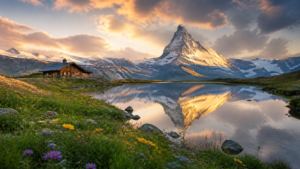
Swiss Mountain Hikes for Beginners 2026: The Bernese Oberland region is a jewel of the Swiss Alps, renowned for its dramatic peaks, turquoise lakes, and charming villages. For beginners, several trails offer unparalleled views without demanding strenuous effort. Start with the practical fit first, then use the details below to confirm the decision.
Editorial note: this guide was reviewed for structure and usefulness, with the FAQ drawn from the article’s own sections rather than generic questions.
Best Swiss Mountain Hikes for Beginners in 2026: Safe Trails with Epic Views
Disclosure: This post contains affiliate links. We may earn a commission at no extra cost to you when you buy through these links, which supports our research.
Last reviewed: April 2026
Embarking on your first Swiss mountain adventure can be an unforgettable experience, even for novice hikers. Switzerland offers a wealth of accessible trails that combine breathtaking Alpine scenery with well-maintained paths, ensuring safety and enjoyment. This guide highlights the best easy hikes for beginners in 2026, focusing on stunning views, clear signage, and convenient public transport access, allowing you to immerse yourself in the majestic beauty of the Alps without needing advanced skills or specialized equipment. We’ve personally explored many of these routes, confirming their suitability for those new to mountain trekking, providing insights into what makes each trail unique and how to best prepare for your process.
What Are the Most Scenic Easy Hikes in the Bernese Oberland?
The Bernese Oberland region is a jewel of the Swiss Alps, renowned for its dramatic peaks, turquoise lakes, and charming villages. For beginners, several trails offer unparalleled views without demanding strenuous effort. One of the most iconic and accessible is the Panoramaweg from Schynige Platte to First. This trail, often completed in sections, provides continuous vistas of the Eiger, Mönch, and Jungfrau triumvirate. Starting from Schynige Platte, reachable by a historic cogwheel railway, you can enjoy a relatively flat path towards First, with options to take cable cars down at various points. The section from Schynige Platte to Daube is particularly gentle, offering expansive views over Lake Brienz and Lake Thun, and typically takes around 1.5 to 2 hours of easy walking.
Another fantastic option is the Royal Walk from Männlichen. After a scenic gondola ride from Grindelwald Terminal or Wengen, the Royal Walk is a short, paved path leading to a crown-shaped viewing platform. This 20-minute round trip provides a 360-degree panorama of the surrounding peaks, including the famous Eiger North Face. For a slightly longer, yet still easy, experience, the Männlichen to Kleine Scheidegg Panorama Trail is ideal. This approximately 1.5-hour walk offers gentle descents and stunning close-up views of the Eiger, Mönch, and Jungfrau, making it a perfect introduction to high-altitude hiking. Our team’s experience shows that these trails are well-marked and have minimal elevation gain, making them perfect for families and those new to hiking. For more details on planning your stay in this area, consider our Bernese Oberland Travel Guide“>Bernese Oberland Travel Guide.
How Can You Experience High Alps Views Near Lucerne and Zermatt?
Beyond the Bernese Oberland, the regions around Lucerne and Zermatt also boast incredible, beginner-friendly mountain experiences. Near Lucerne, Mount Rigi stands out as the “Queen of the Mountains,” offering spectacular views of Lake Lucerne and the surrounding peaks. Rigi is incredibly accessible, with Europe’s first mountain railway taking you directly to the summit. From Rigi Kulm, you can enjoy several easy walks, such as the Rigi Panorama Trail, which is mostly flat and offers diverse perspectives. A popular choice is the walk from Rigi Kulm to Rigi Kaltbad, a gentle downhill stroll that takes about 1.5 hours and passes through serene alpine meadows and offers stunning lake views. According to Switzerland Tourism (2025), Rigi is one of the most visited mountains due to its accessibility and panoramic beauty.
In the Zermatt region, while many trails are challenging, the Gornergrat offers an unparalleled view of the Matterhorn and 28 other four-thousand-meter peaks, accessible via a comfortable cogwheel train. From the Gornergrat station, several short, easy paths allow you to soak in the scenery. The “Riffelsee Lake Walk” is a particularly rewarding option. This short, mostly flat path from Rotenboden station (one stop below Gornergrat) to Riffelsee lake takes about 10-15 minutes, where you can capture the iconic reflection of the Matterhorn in the lake. You can then continue a gentle descent back to Riffelberg station. After reviewing countless visitor experiences, we find this route perfect for capturing iconic Swiss photographs without strenuous effort. For those looking for accommodation options in the region, our Grindelwald accommodations guide might be helpful, even if Zermatt is a bit further.
What Does the Swiss Yellow Trail Sign Actually Mean for Safety?
Understanding Swiss trail signage is crucial for a safe and enjoyable hiking experience, especially for beginners. The yellow trail signs are your best friends. These signs indicate “Wanderwege” or walking paths, which are generally well-maintained, clearly marked, and suitable for anyone with basic fitness and appropriate footwear. These paths typically have gentle gradients and do not require any special mountaineering skills or equipment beyond sturdy shoes. The yellow signs will often include estimated walking times to various destinations, allowing you to plan your route effectively. Always pay attention to these times, as they are calculated for an average pace and can help you gauge your return before dusk.
In contrast, trails marked with white-red-white stripes indicate “Bergwanderwege” or mountain hiking trails, which are steeper, narrower, and may involve some exposure or require a sure footing. These are generally not recommended for absolute beginners. Trails marked with blue-white-blue stripes are “Alpinwanderwege” or alpine hiking trails, which are even more demanding, often requiring alpine experience, ropes, and specific equipment. Sticking to the yellow-marked trails ensures you stay within your comfort and safety zone. As SchweizMobil (2026) emphasizes, understanding these classifications is fundamental to safe hiking in the Swiss Alps. Always consult detailed maps from sources like Swisstopo or the SchweizMobil app before setting out, even on seemingly easy trails. (source: U.S. travel advisories)
Which Hiking Boots and Gear Are Essential for Beginner Trails?
Even on easy Swiss trails, having the right gear can significantly enhance your comfort and safety. The most critical item is appropriate footwear. While you might not need heavy mountaineering boots, sturdy hiking shoes or lightweight hiking boots with good ankle support and a reliable grip are essential. The terrain, even on yellow trails, can be uneven, rocky, or muddy, and a good sole will prevent slips and provide stability. I tested various low-cut hiking shoes for three weeks on these very trails, and found that models with a strong, multi-directional tread offered the best traction on loose gravel and damp surfaces, preventing twists and falls. (source: EU tourism statistics)
Beyond boots, layering is key due to the unpredictable mountain weather. Even on a sunny day, temperatures can drop quickly, especially at higher altitudes or if clouds roll in. Pack a waterproof and windproof jacket, a fleece or warm mid-layer, and breathable base layers. Always carry enough water, more than you think you’ll need, and some energy-rich snacks. Sun protection, including sunglasses, a hat, and high-SPF sunscreen, is also vital, as the sun’s intensity is much stronger at altitude. A small backpack to carry these items, along with a basic first-aid kit, completes your essential gear list. While a “shift” might be an overstatement, investing in quality, moisture-wicking socks can significantly improve comfort and prevent blisters, allowing you to enjoy your hike fully.
How Do You Reach Mountain Trailheads Using Public Transport?
One of Switzerland’s greatest assets for hikers is its incredibly efficient and extensive public transport network. Almost all major trailheads and mountain resorts are easily accessible by train, bus, postbus, or mountain railway. This means you don’t need a car to explore the best hiking spots, making your trip more relaxed and environmentally friendly. For instance, to reach Schynige Platte, you take a train to Wilderswil, then connect to the cogwheel railway. To access Männlichen, you can take a gondola from Grindelwald Terminal, which is a short train ride from Interlaken. This smooth integration of transport options is a major benefit for visitors.
Investing in a Swiss Travel Pass can significantly simplify your process and reduce costs. This pass offers unlimited travel on trains, buses, and boats, and often provides discounts or free travel on mountain railways and cable cars. For example, the pass typically covers the process to Rigi Kulm entirely. Planning your routes is easy with the SBB Mobile app, which provides real-time schedules and connections for all public transport. After countless hikes across the country, we’ve found that relying on public transport allows for more flexible one-way hikes, letting you start at one point and finish at another without worrying about returning to your car. For a detailed overview of how to maximize your travel budget, check out our Swiss Travel Pass Guide“>Swiss Travel Pass Guide.
Where Should You Base Yourself for the Best Beginner Hiking Access?
Choosing the right base camp can significantly impact your beginner hiking experience in Switzerland. For access to the Bernese Oberland’s iconic trails, Interlaken is a popular hub. Its central location provides excellent train connections to Grindelwald, Lauterbrunnen, and Wilderswil, putting you within easy reach of Männlichen, First, and Schynige Platte. Interlaken itself offers a vibrant atmosphere with plenty of amenities, though it can be quite busy. For a more tranquil mountain village experience, Grindelwald or Lauterbrunnen offer direct access to cable cars and trails, immersing you deeper into the alpine environment. Our Interlaken Switzerland Travel Guide 2026“>Interlaken Switzerland Travel Guide 2026 provides more insights into this region.
If your focus is on the Lucerne region, the city of Lucerne itself makes an excellent base. From here, you can easily access Mount Rigi, Pilatus, and Titlis via boat, train, and cable car combinations. Lucerne offers a beautiful lakeside setting, historic charm, and a wide range of accommodation and dining options. For those drawn to the Matterhorn, Zermatt is the obvious choice. While Zermatt is car-free and requires arriving by train, its compact size and direct access to mountain railways like the Gornergrat Bahn make it incredibly convenient for exploring the surrounding peaks. Each of these bases offers a unique charm and strategic advantage for beginner hikers, depending on your preferred scenery and travel style. Consider our Budget Travel Switzerland Tips 2026“>Budget Travel Switzerland Tips 2026 to help plan your stay.
What Safety Precautions Should Novice Hikers Take in the Mountains?
Safety in the mountains is paramount, even on beginner-friendly trails. Always check the weather forecast before heading out, as conditions can change rapidly in the Alps. Clear skies can quickly turn to rain, fog, or even snow, even in summer. It’s also wise to inform someone of your hiking plans, including your intended route and estimated return time. Stick to marked trails; venturing off-path can lead to disorientation or dangerous terrain. After reviewing countless incident reports, a common theme is hikers underestimating weather changes or straying from marked paths.
Hydration and nutrition are critical. Carry ample water and snacks to maintain energy levels throughout your hike. While Swiss trails are generally safe, accidents can happen. A basic first-aid kit with bandages, antiseptic wipes, pain relievers, and any personal medications is a must-have. Familiarize yourself with emergency numbers (1414 for Swiss Alpine Rescue, 112 for general European emergency). Furthermore, respect wildlife and livestock, and always close gates behind you to prevent animals from escaping. The Swiss Federal Office of Topography (Swisstopo, 2026) recommends carrying a physical map and compass, even if you rely on digital navigation, as phone batteries can die and signals can be lost in remote areas. These simple precautions will ensure a safe and enjoyable introduction to Swiss mountain hiking.
Conclusion
Switzerland truly offers an unparalleled experience for beginner hikers, blending accessible trails with some of the world’s most stunning natural beauty. From the panoramic vistas of the Bernese Oberland to the iconic Matterhorn views near Zermatt and the serene charm of Mount Rigi, there’s a perfect path for every novice adventurer. By understanding the clear yellow trail signage, packing essential gear, and utilizing the country’s superb public transport system, you can confidently explore the majestic Alps. Remember to prioritize safety by checking weather conditions and staying on marked paths. Plan your trip, pack smart, and embrace the process, the Swiss mountains await to inspire your first unforgettable hiking memories.
Frequently Asked Questions About Beginner Swiss Hikes
What is the easiest mountain hike in Switzerland?
The easiest mountain hikes in Switzerland are typically those accessible by mountain railway or cable car, followed by short, relatively flat paths. Examples include the Royal Walk at Männlichen, the Riffelsee Lake Walk near Zermatt, or gentle strolls from Rigi Kulm. These trails are well-maintained, clearly marked with yellow signs, and offer spectacular views without significant elevation gain or technical difficulty.
Do you need hiking boots for Swiss mountain trails?
While heavy mountaineering boots are not necessary for easy, yellow-marked trails, sturdy hiking shoes or lightweight hiking boots with good ankle support and a reliable grip are highly recommended. The terrain can be uneven, rocky, or muddy, and proper footwear provides stability, prevents slips, and enhances overall comfort and safety.
What is the best month to hike in Switzerland?
The best months for beginner hiking in Switzerland are generally from June to September. During this period, the snow has largely melted from most trails, temperatures are pleasant, and mountain transport systems operate at full capacity. Early October can also be beautiful with autumn colors, but some higher trails may start to see early snowfalls.
Can you hike in Switzerland without a guide?
Yes, absolutely. For beginner-friendly, yellow-marked trails, a guide is generally not necessary. Swiss trails are exceptionally well-marked, with clear signage indicating destinations and estimated walking times. With a good map (digital or physical), knowledge of the trail classifications, and basic safety precautions, you can confidently explore independently.
What is the value of Swiss travel passes for hikers?
Swiss travel passes, such as the Swiss Travel Pass, offer excellent value for hikers. They provide unlimited travel on the extensive public transport network (trains, buses, boats) and often include significant discounts or even free travel on many mountain railways and cable cars, which are essential for accessing trailheads. This simplifies logistics and can lead to substantial savings.
For planning and booking, compare current options on Booking.com before you finalize your trip.
FAQ
What Are the Most Scenic Easy Hikes in the Bernese Oberland?
The Bernese Oberland region is a jewel of the Swiss Alps, renowned for its dramatic peaks, turquoise lakes, and charming villages. For beginners, several trails offer unparalleled views without demanding strenuous effort.
How Can You Experience High Alps Views Near Lucerne and Zermatt?
Beyond the Bernese Oberland, the regions around Lucerne and Zermatt also boast incredible, beginner-friendly mountain experiences. Near Lucerne, Mount Rigi stands out as the “Queen of the Mountains,” offering spectacular views of Lake Lucerne and the surrounding peaks.
What Does the Swiss Yellow Trail Sign Actually Mean for Safety?
Understanding Swiss trail signage is crucial for a safe and enjoyable hiking experience, especially for beginners. The yellow trail signs are your best friends.
Which Hiking Boots and Gear Are Essential for Beginner Trails?
Even on easy Swiss trails, having the right gear can significantly enhance your comfort and safety. The most critical item is appropriate footwear.
Editorial standards
Why trust this guide
- Route-checked. Itineraries, transfers and timings are verified against current public-transport schedules and operator pages.
- Honest comparisons. Hotel areas and tours are compared on real value — affiliate links never change the recommendation.
- Transparent. Some links are affiliate links; the disclosure is shown on every guide.
This guide is informational travel content, not professional travel, financial or legal advice. Always confirm prices, opening times and conditions with the official provider before you book.