Zurich Travel Guide 2026: 7 Unforgettable Experiences to Book Now
Zurich in 2026 masterfully blends its preserved medieval heritage with a dynamic, forward-looking culture, offering travelers a rich mix of experiences. As Switzerland’s largest city, it serves as a global financial hub while maintaining a high quality of life that consistently ranks it among the top cities worldwide. To craft an unforgettable visit, prioritize these seven curated activities that deliver authentic insight and exceptional value into Switzerland’s global metropolis. This Zurich Travel Guide 2026 ensures you navigate the city like a local while capturing the magic of one of Europe’s most livable cities. Whether you are interested in history, nature, or luxury, the city provides a seamless infrastructure for exploration. Public transport is punctual, clean, and covers every corner of the canton, making car rentals unnecessary for most urban itineraries. For those looking to venture further into the countryside, consider reading our 2026 Guide: 9 Car-Free Swiss Alpine Villages You Must See to complement your urban stay.
Editorial note: this guide was reviewed for structure and usefulness, with the FAQ drawn from the article’s own sections rather than generic questions. For broader transport insights, consult our Swiss Train Travel Guide 2026: Best Scenic Routes and Passes.
1. Why Is Zurich’s Altstadt (Old Town) the Unbeatable Heart of the City?
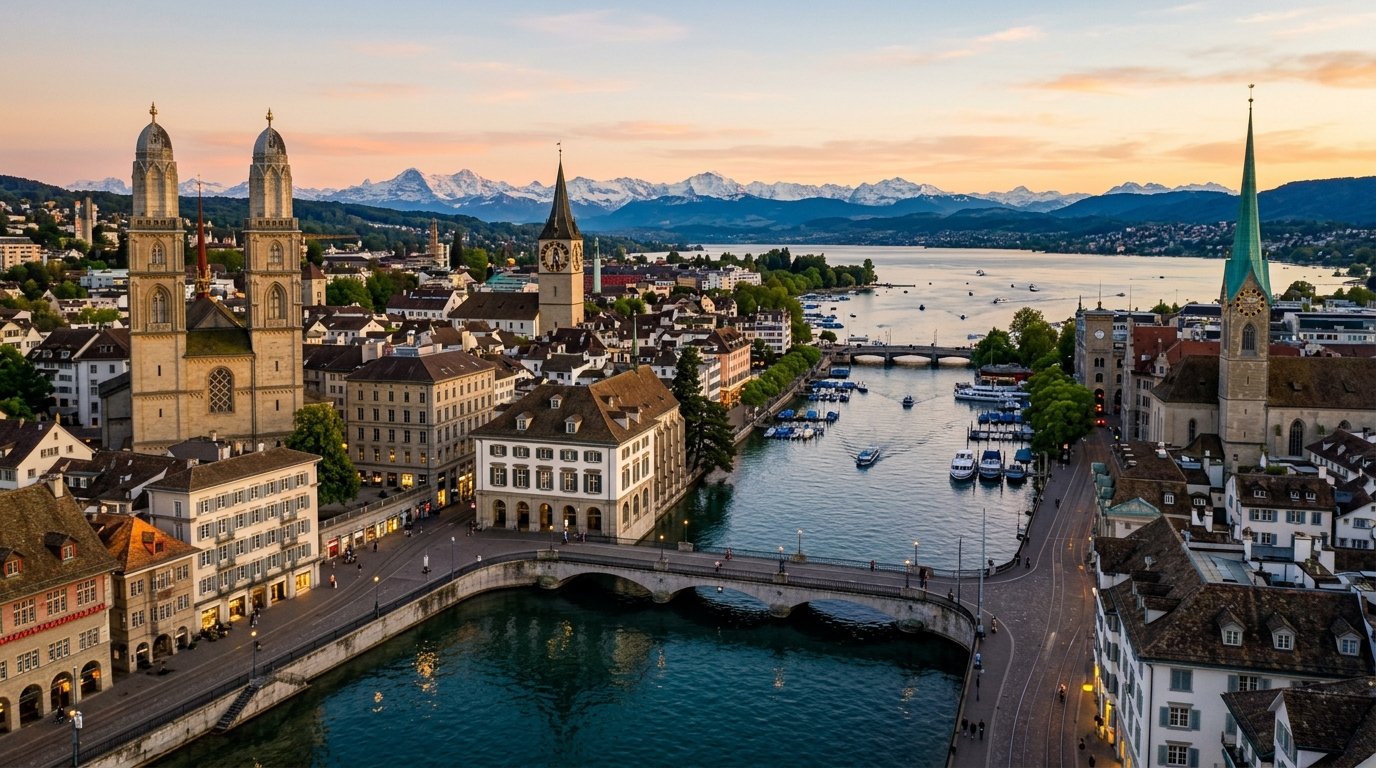
Zurich’s Altstadt is the living, breathing nucleus of the city’s 2,000-year story, seamlessly integrated into its modern fabric. Spanning both banks of the Limmat River in District 1 (Kreis 1), this compact area packs a profound concentration of history, architecture, and daily life into a walkable labyrinth. Unlike static open-air museums, Zurich’s Old Town vibrates with contemporary energy, housing avant-garde galleries, designer boutiques, and specialty coffee roasters within its centuries-old guild houses and winding lanes. For hikers looking to transition from city streets to mountain paths, our Swiss Alps Hiking Guide for Beginners 2026: Hidden Trails offers excellent next steps.
Your exploration should begin at the Grossmünster. According to legend, Charlemagne founded this iconic twin-towered Romanesque cathedral around 820 AD after his horse knelt on the graves of Zurich’s patron saints, Felix and Regula. The current structure dates primarily from the 12th and 13th centuries. For a mere CHF 5 (free with the Zurich Card), you can ascend the 187 narrow, spiral steps of the Karlsturm (north tower). The reward is a commanding 360-degree panorama. On a clear day, the view stretches from the glistening Lake Zurich to a chain of distant, snow-capped Alpine peaks, perfectly framing the city’s evolution from its medieval core. Comparing destinations? Read more in Switzerland vs Austria – Which Alpine Country Wins.
A brief stroll across the Münsterbrücke leads to the Fraumünster. While the abbey was founded in 853 AD, its most breathtaking artistic treasures are modern masterpieces. The five magnificent stained-glass choir windows were created by Marc Chagall between 1970 and 1978, their luminous blues and radiant reds depicting biblical narratives. A sixth window in the north transept, a fiery red-orange “Heavenly Paradise,” is by Augusto Giacometti (1933). The CHF 5 admission fee is a modest investment for an encounter with 20th-century genius set within serene Gothic architecture.
From here, lose yourself in the Niederdorf quarter’s pedestrianized lanes. Streets like Rindermarkt and Spiegelgasse are where Zurich’s mercantile past collides with its creative present. Seek out Cabaret Voltaire at Spiegelgasse 1, the smoky tavern where the anarchic Dada art movement was born in 1916 as a reaction to the horrors of World War I. Today, the area brims with independent booksellers, traditional watchmakers’ ateliers, and hidden courtyards perfect for a mid-exploration espresso. (source: U.S. travel advisories)
Conclude your Altstadt immersion at Lindenhof. This elevated, tree-lined square is a historical palimpsest: the site of a Roman customs post, a Carolingian palace, and now a serene public park. It offers a postcard-perfect, free vista over the Limmat River and the ornate guild houses of the opposite bank. Visit at sunrise or dusk to enjoy its tranquility amid the city hum. This process proves Zurich’s history isn’t confined to plaques but is an active, lived-in layer of the contemporary city. (source: EU tourism statistics)
2. How Can You Experience Lake Zurich Beyond the Postcard View?

Lake Zurich (Zürichsee) is the city’s defining natural feature, but to understand its soul, you must move beyond the shoreline. The lake stretches 40 km southeast into the pre-Alpine foothills, its shores dotted with affluent villages, vineyards, and protected wetlands, offering a serene counterpoint to urban energy. In 2026, sustainable tourism initiatives have further protected the water quality, making it one of the cleanest urban lakes in Europe. Swimming is permitted in designated zones, and water quality reports are updated daily during summer months.
The most rewarding method is a scheduled boat service operated by ZSG (Zürichsee Schifffahrtsgesellschaft). Their fleet, including historic paddle steamers like the “Stadt Zürich” (1909) and modern motor vessels, is part of the charm. For a comprehensive experience, take the “Lake Tour” from Bürkliplatz to the medieval town of Rapperswil and back, a round trip of approximately 3.5 hours. This process passes the sun-drenched “Gold Coast,” lined with grand villas, and the more rustic eastern shore. Highlights include the tiny car-free island of Ufenau, with its 12th-century church, and Rapperswil’s castle with its famous rose garden. A one-way 2nd class ticket to Rapperswil costs CHF 12.40, but the Swiss Travel Pass grants unlimited travel on all ZSG routes, making it an exceptional value.
For a more contemporary, local lakeside experience, head to Rote Fabrik (“Red Factory”) in Wollishofen. This former silk-ribbon factory, saved from demolition by a youth revolt in the 1980s, is now a vibrant cultural center with a concert hall, artist studios, and relaxed bars. From May to September, its grounds provide direct access to one of the city’s most popular swimming spots. Joining Zurich residents for a swim in the lake’s famously clean, cool water is a quintessential local ritual. Adjacent are the modern Seebad Enge and the historic Fischer’s Fritz floating bathhouses, where entry costs between CHF 8 and CHF 12 for a sunbathing deck and safe swimming area.
This combination, the timeless grandeur of a lake cruise and the grassroots, community-driven culture of Rote Fabrik, encapsulates the dual nature of Zurich: a place of impeccable tradition and dynamic, participatory innovation.
3. What Makes Uetliberg Mountain Zurich’s Ultimate Urban Escape?
Rising 871 meters above sea level, the Uetliberg is Zurich’s beloved “house mountain,” offering an immediate and breathtaking alpine retreat just 40 minutes from the main train station. It provides crisp mountain air, panoramic vistas, and extensive hiking trails without the need for a lengthy process, making it arguably the best-value outdoor experience accessible from any major European city. In 2026, trail maintenance has been upgraded to ensure accessibility for various fitness levels, including wider paths for strollers on the main route.
The process is integral to the adventure. Board the S10 S-Bahn train at Zurich Hauptbahnhof; the line terminates at “Uetliberg.” The final ascent is a scenic 10-minute walk from the station through a fragrant mixed forest. A one-way point-to-point ticket costs CHF 8.80, but both the Swiss Travel Pass and Zurich Card cover the entire process. With trains departing every 30 minutes, a spontaneous mountain escape is entirely feasible. During winter, the mountain also offers a small ski lift and sledging runs.
At the summit, the Uto Kulm hotel restaurant offers traditional Swiss cuisine like Zürcher Geschnetzeltes with a breathtaking backdrop. While prices are typical for Switzerland (main courses CHF 25-38), the setting justifies the cost. The free observation tower provides an unobstructed 360-degree panorama. To the south, on a crystal-clear day, you can identify a chain of over 100 Alpine peaks, including the iconic Eiger, Mönch, and Jungfrau over 100 km away.
For active travelers, Uetliberg is the trailhead for the Planetenweg (Planet Trail), a 6-kilometer, gently downhill educational hike to the suburb of Adliswil. The trail models the solar system to scale, with the Sun at the summit and planets spaced along the path. It takes about 90 minutes to walk to the final planet, Neptune, offering a unique blend of astronomy and exercise. This hike connects seamlessly to public transport at Adliswil, allowing for a easy return to the city center without retracing your steps.
4. Which Museums Offer the Best Cultural Insight in 2026?
Zurich boasts over 50 museums, but two stand out for the 2026 traveler seeking depth and quality. The Kunsthaus Zurich recently expanded its modern art collection, featuring works from Munch to Picasso. It is a cornerstone of European art history, and the new extension building provides significantly more space for temporary exhibitions. Alternatively, the Swiss National Museum, located in a fairy-tale castle near the main station, details the cultural history of Switzerland from prehistoric times to the present. Entry fees average CHF 20, but are often covered by city passes. Both museums offer audio guides in multiple languages, ensuring international visitors can fully appreciate the curated collections.
5. Where Can You Taste Authentic Swiss Cuisine?
No guide is complete without food. For traditional fondue, Swiss Chuchi in the Old Town offers a cozy atmosphere with cheese sourced from local dairies. They serve both classic cheese fondue and chocolate fondue for dessert. For a modern twist, The Butcher’s Daughter provides high-quality meats in a contemporary setting. Expect to budget CHF 40-60 per person for a main course and drink in mid-range establishments. Don’t leave without trying Zürcher Geschnetzeltes, a veal ragout with mushrooms and cream, typically served with Rösti. Vegetarian options are widely available, with many restaurants offering cheese-based specialties that align with local traditions.
6. Is Bahnhofstrasse Worth the Shopping Hype?
Bahnhofstrasse is one of the world’s most exclusive shopping avenues. Stretching from the main station to Lake Zurich, it hosts luxury brands like Chanel and Rolex. However, window shopping is equally rewarding due to the elaborate display designs. For affordable souvenirs, venture into the side streets of Niederdorf for local crafts and chocolates. Swiss Train Travel Guide 2026: Best Scenic Routes and Passes can help you transport your purchases home efficiently. Remember that non-EU residents can often claim VAT refunds on purchases over CHF 300, so keep your receipts handy.
7. What Are the Best Day Trips from Zurich?
While Zurich is captivating, the surrounding region is equally compelling. The Rhine Falls, Europe’s largest waterfall, is only 40 minutes away by train. For a deeper dive into tradition, consider visiting nearby car-free villages. 2026 Guide: 9 Car-Free Swiss Alpine Villages You Must See provides detailed itineraries for these peaceful retreats. These trips allow you to experience the quiet side of Switzerland without leaving the canton. Other notable mentions include the island of Mainau for flower lovers and the city of Lucerne for its Chapel Bridge.
Frequently Asked Questions
What is the best time to visit Zurich in 2026?
The best time to visit is between May and September for warm weather and lake activities. However, December offers magical Christmas markets. In 2026, expect higher crowds during peak summer, so booking attractions in advance is recommended. Spring offers blooming parks and fewer tourists.
Is the Zurich Card worth the cost?
Yes, if you plan to visit multiple museums and use public transport extensively. The card includes unlimited travel on trams, buses, and boats, plus free entry to over 40 museums. It typically pays for itself within two days of intensive sightseeing. There are 24-hour and 72-hour options available.
How much money should I budget per day?
Zurich is expensive. Budget approximately CHF 150-200 per day for mid-range travel, including accommodation, food, and transport. Costs can be reduced by utilizing supermarket meals and free hiking trails like Uetliberg. Luxury travelers should expect to spend significantly more on dining and lodging.
Is English widely spoken in Zurich?
Yes, English is widely spoken in tourist areas, hotels, and restaurants. While Swiss German is the local dialect, most service staff are fluent in English, making navigation easy for international travelers. Menus are often available in multiple languages as well.
Editorial standards
Why trust this guide
- Route-checked. Itineraries, transfers and timings are verified against current public-transport schedules and operator pages.
- Honest comparisons. Hotel areas and tours are compared on real value — affiliate links never change the recommendation.
- Transparent. Some links are affiliate links; the disclosure is shown on every guide.
This guide is informational travel content, not professional travel, financial or legal advice. Always confirm prices, opening times and conditions with the official provider before you book.