Switzerland Travel Budget 2026: Real Costs and Money-Saving Tips
By SwitzerlandVibe Team
Switzerland has a reputation for high prices, and that reputation is deserved. But expensive does not mean impossible. If you understand where money goes, you can build a realistic trip budget and avoid the mistakes that make costs explode. In 2026, with continued pressure on accommodation and food prices, planning matters more than ever.
This guide breaks down real Switzerland travel costs for 2026, from flights and trains to groceries, attractions, and hidden fees. You will also get practical money-saving tactics that work in real life, not just theory. Whether you are a solo traveler, a couple, or a family, this article helps you calculate your numbers before you book.
Switzerland Travel Budget 2026 at a Glance
For most travelers, daily cost depends on three variables: sleep, transport, and food. Activities matter, but those three set your baseline.
Typical daily budget per person in 2026:
Budget style: CHF 110–170
Mid-range style: CHF 180–300
Comfort style: CHF 320–550+
These ranges assume travel outside peak holiday spikes and include accommodation, local transport, meals, and one paid activity on many days. If you choose high-mountain lifts daily and restaurant dining for every meal, costs rise quickly.
Accommodation Costs in 2026
Accommodation is usually the largest expense. Prices vary a lot by city, season, and booking window.
Average nightly prices (per room/bed):
Hostel dorm bed: CHF 45–85
Budget private room: CHF 95–160
Mid-range hotel: CHF 180–320
Family room or apartment: CHF 240–450+
Luxury hotels: CHF 500 and above
Zurich, Geneva, Lucerne, and Interlaken tend to be expensive. Smaller towns can be cheaper, especially if you stay one train stop away from the center. Weekend pricing can be lower in business-focused cities and higher in resort zones.
Compare accommodation options early. Many travelers check bundled deals through platforms such as Travelpayouts to reduce total booking cost.
Transport: The Biggest Cost Trap (or Biggest Savings Area)
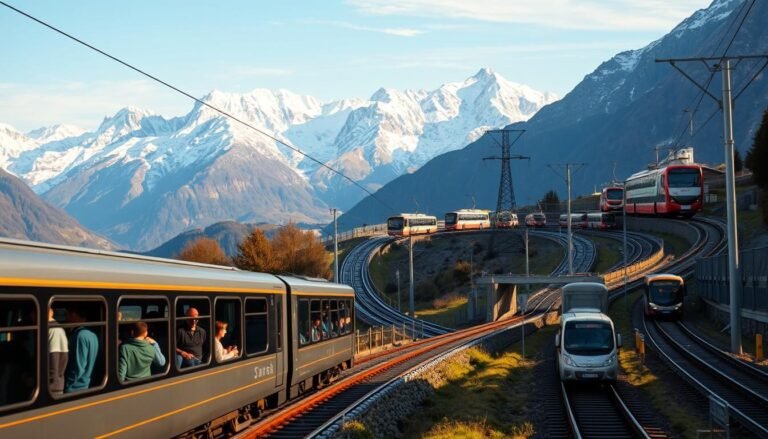
Switzerland’s public transport is excellent, but tickets can be expensive if you buy everything at full fare on the day of travel. In 2026, smart pass strategy can save a large amount.
Common transport costs:
Short city ride: CHF 2.80–6.00
Intercity train (example Zurich–Lucerne): CHF 25–35 full fare
Intercity train (example Zurich–Interlaken): CHF 50–80 full fare
Premium mountain routes: often CHF 60–220 round trip depending on lift and rail sections
Main options to cut transport costs:
1) Saver Day Pass (book early) for broad train/bus/boat usage
2) Swiss Travel Pass for multi-day intensive travel
3) Half Fare Card if you stay longer and take many point-to-point routes
4) Regional passes for specific mountain areas
The mistake many travelers make is buying a pass without matching it to their route plan. Build your itinerary first, then compare total estimated fares with pass combinations.
Food Costs: Restaurant vs Supermarket Reality
Food can either be manageable or very expensive. Switzerland has high service standards and high wages, and restaurant prices reflect that.
Typical prices in 2026:
Coffee: CHF 4.50–6.50
Casual takeaway meal: CHF 12–20
Mid-range restaurant main dish: CHF 24–42
Three-course restaurant dinner: CHF 45–90+ per person
Supermarket meal setup (sandwich, fruit, drink): CHF 8–15
Budget travelers win by mixing supermarket meals with selective restaurant experiences. A common strategy is grocery breakfast + picnic lunch + one proper dinner. In alpine tourist hubs, this can cut daily spending by CHF 25–60 per person.
Activities and Sightseeing: What Really Costs Extra
Walking old towns, lake promenades, and many nature spots can be free or low cost. The expensive part is usually mountain transport, not entry tickets.
Frequent activity costs:
Museum entry: CHF 10–25
Lake cruise segments: CHF 20–60 (often pass-discounted)
Major mountain viewpoints: CHF 70–220 depending on location and pass coverage
Adventure activities (paragliding/canyoning): CHF 120–250+
For families, focus on one premium paid activity every two days, then fill other days with scenic walks, towns, and lake areas. This creates a better memory-to-cost ratio.
City-by-City Budget Differences
Zurich: high accommodation, medium-high dining, strong free walking options.
Geneva: similar to Zurich, often expensive hotels near center.
Lucerne: tourist pricing in central zones, but easy to manage with supermarket strategy.
Interlaken: lodging can be high in peak season; activity costs vary from low to very high.
Bern: often slightly better value than Zurich/Geneva for similar quality.
Smaller towns: better accommodation value, sometimes lower dining prices.
If your target is cost control, base yourself in one or two transport hubs and do day trips instead of changing hotels every night.
Sample Switzerland Budgets for 2026
7-Day Budget Traveler (Hostels + Mostly Public Transport)
Accommodation: CHF 420–595
Transport: CHF 220–380
Food: CHF 210–350
Activities: CHF 120–260
Total: CHF 970–1,585
7-Day Mid-Range Couple (Private Hotels + Mix of Paid Activities)
Accommodation: CHF 1,350–2,100
Transport: CHF 450–850 (for two)
Food: CHF 700–1,250 (for two)
Activities: CHF 350–900 (for two)
Total: CHF 2,850–5,100
10-Day Family (2 Adults + 2 Children)
Accommodation: CHF 2,600–4,500
Transport: CHF 1,000–1,900
Food: CHF 1,500–2,700
Activities: CHF 700–1,800
Total: CHF 5,800–10,900
Family totals vary heavily based on room type and mountain activity frequency.
Money-Saving Tips That Actually Work in Switzerland
Book transport early: Saver fares and day passes can reduce intercity costs significantly.
Stay near transport, not always in city center: One or two stops outside central districts often gives better nightly rates.
Use supermarkets smartly: Coop, Migros, and larger stations offer decent meal options at lower prices than restaurants.
Limit premium mountain days: Choose your top one or two big mountain experiences and plan lower-cost scenic days around them.
Carry a refill bottle: Swiss tap water is high quality and easy to refill, reducing drink purchases.
Avoid frequent currency conversion fees: Use a card with low foreign transaction cost and pay in CHF when appropriate.
Bundle travel planning tools: For flight and hotel comparisons, platforms like Travelpayouts may help spot better combinations.
Hidden Costs Most Travelers Forget
Many budgets fail because of small costs repeated daily. In Switzerland, common hidden extras include city tax at hotels, seat reservation assumptions on special routes, luggage lockers, and snacks bought at station convenience prices.
Winter travelers should also budget for cold-weather gear if they are not bringing it. Summer travelers should reserve a buffer for weather-driven plan changes that force alternate paid activities.
Sample Daily Spending Scenarios (2026)
Seeing exact day examples helps more than abstract ranges. Here are realistic spending patterns for different travel styles.
Budget day example (CHF 130):
Hostel bed CHF 55
Public transport CHF 20
Supermarket breakfast + lunch CHF 18
Simple takeaway dinner CHF 18
Coffee + snacks CHF 9
One low-cost paid visit CHF 10
Mid-range day example (CHF 245):
Private hotel room share equivalent CHF 120 per person
Transport CHF 35
Cafe breakfast + casual lunch CHF 38
Restaurant dinner CHF 42
Paid attraction CHF 10
Comfort day example (CHF 410+):
Central hotel CHF 220 per person equivalent
Transport CHF 40
Restaurant meals CHF 110
Premium mountain add-on CHF 40+
These examples are not fixed rules, but they show how quickly totals change when one category shifts. Many travelers overspend because they do not set a daily ceiling before arriving.
One-Week Route Design to Keep Costs Under Control
A practical way to limit spending is to use one main base city and one secondary base. For example: four nights in Zurich or Bern, then three nights in Lucerne or Interlaken area. This reduces repeated check-in costs, baggage locker fees, and last-minute transport purchases.
Plan your week with a rhythm: two high-cost days, three medium-cost days, and two low-cost days. High-cost days can include major mountain routes. Medium days can mix city transport and one museum or lake cruise. Low-cost days should focus on old towns, scenic walks, and supermarket meals. Over seven days, this method keeps the average spend stable and prevents budget shock at the end of the trip.
If you travel as a couple or family, this structure also helps with energy management. Not every day needs to be packed with expensive attractions to feel worth it.
How Much Cash Do You Need?
Card acceptance is strong across Switzerland, including many small businesses. You still need some cash for occasional kiosks, markets, or remote places. A practical amount is CHF 100–200 in mixed notes for a one-week trip, then top up only if needed.
Avoid carrying large amounts. ATM withdrawal fees and card issuer fees can add up, so make fewer, planned withdrawals.
Should You Buy a Swiss Travel Pass in 2026?
There is no universal answer. The pass can be excellent value for travelers doing frequent long train days and museum visits. For slower itineraries with few long routes, point-to-point plus selective discounts may cost less.
Best method: estimate your top five expensive journeys, add expected local transport, then compare with pass price. Make the decision with numbers, not assumptions.
Final Budget Rule for Switzerland
Switzerland rewards planning. If you decide your accommodation base, transport strategy, and mountain priorities in advance, the country becomes far more affordable than its reputation suggests. The winning formula for 2026 is simple: fewer hotel changes, smarter pass decisions, selective restaurant meals, and intentional spending on experiences that matter most to you.
FAQ: Switzerland Travel Budget 2026
How much money do I need per day in Switzerland in 2026?
Most travelers spend around CHF 110–170 on a budget style, CHF 180–300 for mid-range, and CHF 320+ for comfort travel.
Is Switzerland still expensive for tourists in 2026?
Yes, it remains one of Europe’s higher-cost destinations, but careful planning can reduce total spending significantly.
What is the cheapest way to eat in Switzerland while traveling?
Use supermarkets for part of your meals, especially breakfast and lunch, and reserve restaurant spending for selected dinners.
Should I buy a Swiss Travel Pass or point-to-point tickets?
It depends on your itinerary. Frequent long train days often favor passes, while lighter travel can be cheaper with point-to-point fares.
What is the most expensive part of a Switzerland trip?
Accommodation is usually the biggest cost, followed by transport and mountain excursions.
How can I save money on Swiss mountain trips?
Pick one or two top mountain experiences, travel early, compare pass discounts, and avoid stacking expensive lift routes every day.