Switzerland Hidden Gems: 15 Local Secrets Tourists Never Find (2026 Guide)
Switzerland Hidden Gems: 15 Local Secrets Tourists Never Find (2026 Guide)
By Lena Meier | Swiss Local Based in Zurich
Last updated: January 2026
Key Takeaways
- Switzerland has countless hidden gems beyond Zurich, Geneva, and Interlaken that most tourists never discover
- Small villages like Appenzell, Gruyères, and Solothurn offer authentic Swiss culture without crowds
- Local secrets include free scenic train routes, hidden swimming spots, and family-run restaurants
- Visit during shoulder seasons (May-June, September-October) for better prices and fewer tourists
- Swiss Travel Pass covers most trains, buses, and boats—but some mountain railways require extra tickets
Table of Contents
- Why Tourists Miss Switzerland’s Best Secrets
- My Life in Switzerland: A Local’s Perspective
- 15 Hidden Gems Most Tourists Never Find
- Secret Train Routes That Rival the Glacier Express
- Hidden Swimming Spots: Where Locals Cool Off in Summer
- Authentic Swiss Restaurants Tourists Don’t Know About
- Free Activities That Feel Like Luxury
- Best Time to Visit: Avoiding Crowds and Saving Money
- Swiss Travel Pass: What’s Actually Covered
- Common Mistakes Tourists Make in Switzerland
- FAQ: Switzerland Hidden Gems and Travel Tips
Why Tourists Miss Switzerland’s Best Secrets
I’ve lived in Zurich for 15 years, and I watch the same pattern every summer. Tourists flood into Zurich, take photos of the Bahnhofstrasse, day-trip to Lucerne, maybe visit Jungfraujoch, and leave thinking they’ve seen Switzerland.
They haven’t.
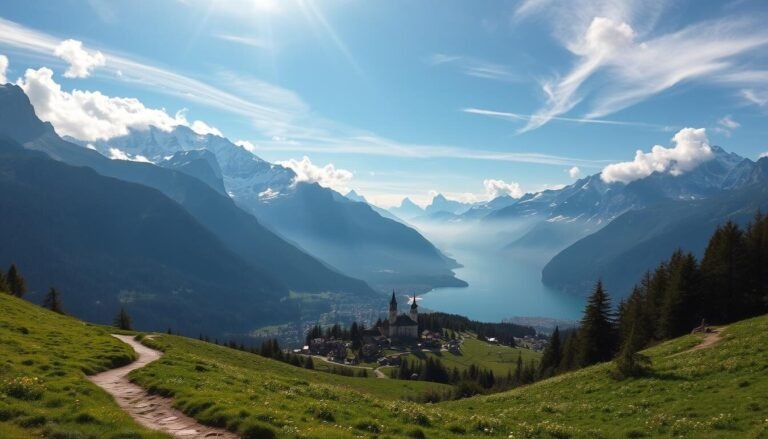
Switzerland’s magic isn’t in the postcard spots—it’s in the villages where time moves slower, the mountain lakes where you’re the only swimmer, and the family restaurants that have been serving the same recipes for generations.
The problem? Most travel guides focus on the same 10 destinations. Instagram reinforces this. And tour operators keep booking the same routes because they’re easy and predictable.
I wrote this guide to change that. These are the places my Swiss friends actually visit. Some are small villages you’ve never heard of. Others are well-known destinations with secret spots nearby that guidebooks don’t mention.
Let me show you the Switzerland I love.
My Life in Switzerland: A Local’s Perspective
I was born in Bern, grew up in a small village in the Emmental, and now live in Zurich. I’ve hiked most of the major trails, ridden nearly every scenic train route, and eaten my way through countless mountain huts.
But here’s what guidebooks don’t tell you: Switzerland changes dramatically depending on when and where you go.
Visit Zermatt in August, and you’ll fight crowds for every photo. Visit in late September, and you’ll have the Matterhorn almost to yourself.
Eat at the restaurant on Bahnhofstrasse, and you’ll pay 45 CHF for mediocre pasta. Walk three blocks into the Niederdorf, and you’ll find a family-run trattoria where the owner remembers your name after one visit.
Take the Glacier Express (the famous route), and you’ll spend 8 hours in a crowded tourist train. Take the regional train from Andermatt to Disentis, and you’ll see the same views with 10 other passengers—most of them locals.
I’m not saying skip the famous spots. Jungfraujoch is breathtaking. Lake Geneva is stunning. But balance them with these hidden gems, and you’ll experience a Switzerland that most visitors never see.
15 Hidden Gems Most Tourists Never Find
Here are 15 places that don’t make it into most itineraries—but should:
1. Appenzell — The Village Time Forgot
Location: Northeastern Switzerland, 1 hour from Zurich
Best for: Traditional Swiss culture, cheese, and hiking
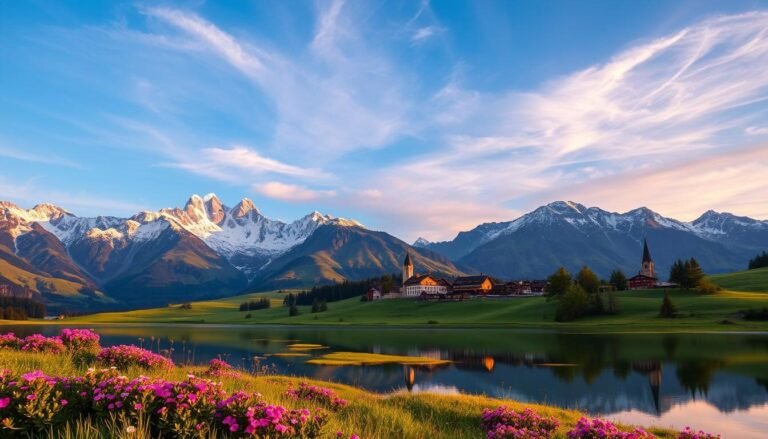
Appenzell is what people imagine when they think of Switzerland—colorful houses, cowbells echoing through valleys, and women in traditional dress at the weekly market. But unlike Lauterbrunnen or Grindelwald, Appenzell sees few international tourists.
Don’t miss:
- Appenzell Cheese Dairy: Watch cheesemakers create Appenzeller cheese using a 700-year-old recipe
- Ebenalp hike: A moderate 2-hour hike to a mountain restaurant built into a cave
- Friday market: Locals sell cheese, bread, and crafts in the town square
Local tip: Stay at Hotel Gasthof Bären, a 300-year-old inn where the owner’s family has hosted travelers for 12 generations.
2. Solothurn — Switzerland’s Most Beautiful Baroque Town
Location: Between Zurich and Bern, 45 minutes from either
Best for: Architecture, history, and quiet exploration
Solothurn is obsessed with the number 11. The cathedral has 11 bells. The clock tower chimes 11 times. There are 11 towers and 11 fountains. Even the address of the tourist office is Hauptgasse 11.
This baroque gem was the Swiss residence of French ambassadors for 300 years, which explains the elegant architecture and refined atmosphere.
Don’t miss:
- St. Ursus Cathedral: Switzerland’s finest baroque church
- Old Town: Wander cobblestone streets lined with fountains and arcades
- Weissenstein mountain: Take the cable car for panoramic views of the Alps
Local tip: Visit on the second Saturday of November for the famous “Öufi-Zysch” (11 o’clock market).
3. Gruyères — More Than Just Cheese
Location: Fribourg canton, 1 hour from Geneva
Best for: Medieval architecture, cheese, and chocolate
Yes, Gruyères is famous for its cheese. But most tourists visit for an hour, buy some cheese, and leave. They miss the medieval castle, the Tibetan museum (yes, really), and the surrounding hills dotted with small dairies.
Don’t miss:
- Château de Gruyères: A perfectly preserved 13th-century castle
- Maison du Gruyère: Watch cheese being made the traditional way
- HR Giger Museum: The alien artist’s surrealist bar and museum
- Chocolate train: Scenic route from Montreux to Gruyères (book ahead)
Local tip: Arrive before 10 AM to avoid tour buses. Stay for lunch at Le Chalet, where the fondue is made with cheese aged 18 months.
4. Walensee — The Caribbean of Switzerland
Location: Eastern Switzerland, 1 hour from Zurich
Best for: Swimming, hiking, and boat trips
Walensee has turquoise water that looks more like the Caribbean than Switzerland. The Churfirsten mountains rise dramatically from the lake’s edge, creating one of the country’s most stunning landscapes.
Don’t miss:
- Boat cruise: 1-hour round trip from Walenstadt to Unterterzen
- Seerenbach Falls: Three waterfalls plunging directly into the lake
- Betlis hike: Moderate trail with incredible lake views
Local tip: Swim at Mols, a small village with a free lakeside bathing area. Locals gather here in summer—bring a picnic and stay for sunset.
5. Engadin Valley — Switzerland’s Best-Kept Secret
Location: Graubünden canton, 3 hours from Zurich
Best for: Luxury resorts, pristine nature, and Romansh culture
The Engadin Valley is where wealthy Europeans go to escape crowds. St. Moritz gets the fame, but villages like Guarda, Zuoz, and Samedan offer the same beauty without the prices.
Don’t miss:
- Guarda: A picture-perfect village with sgraffito-decorated houses
- Lake Sils: Crystal-clear alpine lake where Nietzsche wrote Zarathustra
- Bernina Express: UNESCO scenic train route (less crowded than Glacier Express)
Local tip: Visit in September for the Engadin Marathon and perfect hiking weather. Book accommodations in Samedan instead of St. Moritz—same valley, half the price.
6. Aletsch Arena — Europe’s Largest Glacier
Location: Valais canton, 2.5 hours from Geneva
Best for: Glacier views, hiking, and skiing
The Aletsch Glacier is a UNESCO World Heritage site and the largest glacier in the Alps. Most tourists see it from Jungfraujoch (expensive and crowded), but the Aletsch Arena offers better views for free.
Don’t miss:
- Riederalp: Car-free village with direct glacier views
- Märjelensee hike: 3-hour round trip to a glacial lake
- Bettmerhorn: Cable car to 2,872m for panoramic views
Local tip: Stay in Riederalp or Bettmeralp (both car-free). The lack of traffic makes these villages feel like stepping back in time.
7. Lavaux Vineyards — UNESCO Wine Country
Location: Between Lausanne and Montreux, Lake Geneva
Best for: Wine tasting, hiking, and lake views
The Lavaux vineyards have been terraced into steep hillsides overlooking Lake Geneva for 1,000 years. It’s a UNESCO World Heritage site, but most tourists rush through on the train from Geneva to Zermatt.
Don’t miss:
- Chexbres village: Start of the 4-hour Lavaux hike
- Domaine de la Maison Blanche: Family winery with tastings
- Sunset in St-Saphorin: Watch the sun set over the Alps with a glass of Chasselas
Local tip: Take the “Train des Vignes” (wine train) from Lutry to Chexbres. It stops at small villages and offers commentary in multiple languages.
8. Toggenburg — The Valley That Time Forgot
Location: St. Gallen canton, 1.5 hours from Zurich
Best for: Authentic rural Switzerland, hiking, and cheese
Toggenburg is where urban Swiss go to disconnect. There’s no highway, no major tourist attractions, and no international crowds. Just rolling hills, dairy farms, and mountains.
Don’t miss:
- Wildhaus: Birthplace of reformer Huldrych Zwingli
- Chäserrugg mountain: Cable car to 2,262m for panoramic views
- Toggenburger cheese: Try the local specialty at any village restaurant
Local tip: Visit during “Alpabzug” (mid-September), when farmers bring cows down from alpine pastures in a traditional procession.
9. Murten — The Medieval Town on a Lake
Location: Between Bern and Fribourg, 30 minutes from either
Best for: Medieval architecture, swimming, and day trips
Murten (or Morat in French) has one of Switzerland’s best-preserved medieval old towns—and it sits directly on a lake perfect for swimming. Most tourists drive right past it on the way to Bern.
Don’t miss:
- City walls: Walk the complete 1.5km circuit of medieval fortifications
- Lake swimming: Free public beaches with crystal-clear water
- Saturday market: Local produce, cheese, and crafts in the old town
Local tip: Climb the bell tower of the parish church for 5 CHF—best view in town.
10. Vallemaggia — Swiss Ticino’s Hidden Valley
Location: Ticino canton, 2 hours from Zurich
Best for: Italian-Swiss culture, swimming, and hiking
Ticino is Switzerland’s Italian-speaking region, and Vallemaggia is its most beautiful valley. Stone villages, palm trees, and turquoise rivers make it feel more like northern Italy than Switzerland.
Don’t miss:
- Lavertezzo: Famous double-arched Roman bridge and swimming holes
- Corippo: Switzerland’s smallest village (population: 14)
- Grotto restaurants: Traditional stone taverns serving local cuisine
Local tip: Swim at the Ponte dei Salti in Lavertezzo. The water is cold but incredibly clear. Arrive before 11 AM to avoid crowds.
11. Emmental — Where Swiss Cheese Is Born
Location: Bern canton, 45 minutes from Bern
Best for: Cheese dairies, rolling hills, and slow travel
Emmental is the origin of the famous holey cheese, but it’s also one of Switzerland’s most picturesque regions. Green hills dotted with farmhouses, cows wearing giant bells, and cheese dairies open to visitors.
Don’t miss:
- Show dairy in Affoltern: Watch Emmental cheese being made
- Emme river: Swim or picnic along this pristine river
- Trubschachen: Visit the Kambly biscuit factory (free samples!)
Local tip: Rent an e-bike and cycle the Emmental Cheese Trail. It’s mostly flat and passes multiple dairies where you can taste and buy.
12. Säntis — The Mountain With 360° Views
Location: Appenzell region, 1.5 hours from Zurich
Best for: Panoramic views, hiking, and photography
From the summit of Säntis (2,502m), you can see six countries: Switzerland, Germany, Austria, Liechtenstein, France, and Italy. On clear days, you can even see the Black Forest and the Vosges mountains.
Don’t miss:
- Cable car from Schwägalp: 20-minute ride to the summit
- Summit restaurant: Eat lunch while surrounded by Alps
- Sunset visit: Fewer crowds and golden light for photos
Local tip: Check the webcam before visiting. Säntis is often in clouds while valleys below are sunny. If the summit is cloudy, try the nearby Ebenalp instead.
13. Rheinfall — Europe’s Largest Waterfall (Done Right)
Location: Near Schaffhausen, 45 minutes from Zurich
Best for: Waterfall views, boat trips, and castle visits
Rheinfall is technically famous, but most tourists see it from the main viewing platform and leave. They miss the boat trips, the castle, and the hidden viewpoints along the river.
Don’t miss:
- Boat to the rock: 15 CHF round trip to stand in the middle of the falls
- Schloss Laufen: Medieval castle with restaurant and viewpoints
- Riverside walk: Follow the Rhine downstream for quieter views
Local tip: Visit at sunset when tour buses have left. The falls are illuminated, and you’ll have the viewpoints almost to yourself.
14. Arosa — The Quiet Alternative to St. Moritz
Location: Graubünden canton, 2.5 hours from Zurich
Best for: Skiing, hiking, and family vacations
Arosa has the same alpine beauty as St. Moritz but with fewer crowds and lower prices. It’s popular with Swiss and German families, which means it feels authentic rather than touristy.
Don’t miss:
- Arosa Lenzerheide: Combined ski area with 225km of slopes
- Lake Arosa: Scenic 2-hour hike around the mountain lake
- Bear sanctuary: rescued bears in a natural habitat
Local tip: Take the Arosa Bahn (train) from Chur instead of driving. The scenic route climbs 1,000m through tunnels and viaducts.
15. Stein am Rhein — The Painted Town
Location: Near German border, 1 hour from Zurich
Best for: Medieval architecture, day trips, and photography
Stein am Rhein has Switzerland’s most beautiful town square. Every building is covered in colorful frescoes depicting historical scenes. It looks like a movie set—but it’s real.
Don’t miss:
- Rathausplatz: The painted square (best photographed in morning light)
- Hohenklingen Castle: 20-minute hike to castle ruins with town views
- Rhine river: Swim or rent a kayak in summer
Local tip: Combine with a visit to nearby Schaffhausen and Rheinfall for a perfect day trip from Zurich.
Secret Train Routes That Rival the Glacier Express
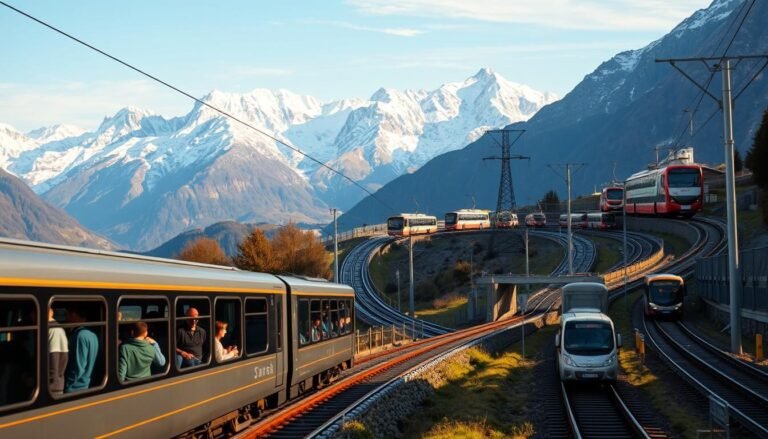
The Glacier Express gets all the attention (and reservations), but these routes offer similar views without the crowds:
1. Andermatt to Disentis (Matterhorn Gotthard Bahn)
Duration: 1 hour
Scenery: Alpine valleys, glaciers, and mountain passes
Crowds: Mostly locals
This is the middle section of the Glacier Express route, but you can ride it as a regular regional train. No reservation needed, no tourist crowds, same incredible views.
2. Montreux to Zweisimmen (GoldenPass Line)
Duration: 1.5 hours
Scenery: Lake Geneva, vineyards, and alpine pastures
Crowds: Moderate
The GoldenPass Line connects Lake Geneva to the Bernese Oberland. The first section (Montreux to Zweisimmen) is the most scenic and least crowded.
3. Chur to Tirano (Bernina Express)
Duration: 2.5 hours
Scenery: Glaciers, alpine lakes, and palm trees (yes, really)
Crowds: Moderate (UNESCO route)
The Bernina Express is actually more dramatic than the Glacier Express, with steeper gradients and more varied landscapes. You can ride it as a regular train without reservations.
4. Luzern to Engelberg (Zentralbahn)
Duration: 45 minutes
Scenery: Lake Lucerne, waterfalls, and Mount Titlis
Crowds: Low
This short route climbs from Lake Lucerne to the Engelberg valley, passing waterfalls and traditional villages. Perfect for a half-day trip.
Hidden Swimming Spots: Where Locals Cool Off in Summer
Switzerland has some of the cleanest water in the world. Here’s where locals swim (tourist-free):
| Location | Type | Best For | Facilities |
|---|---|---|---|
| Walensee (Mols) | Lake | Sunset swimming | Free, no facilities |
| Lavertezzo (Ponte dei Salti) | River | Jumping off rocks | Free, picnic areas |
| Murten | Lake | Families | Free, toilets, grass |
| Emme River (Emmental) | River | Peaceful swimming | Free, no facilities |
| Lake Sils (Engadin) | Lake | Cold-water lovers | Free, parking nearby |
| Rhine (Stein am Rhein) | River | Kayaking + swimming | Free, rentals available |
Local tip: Swiss lakes are coldest in June (15-18°C) and warmest in August (20-24°C). Rivers stay cold year-round (12-16°C).
Authentic Swiss Restaurants Tourists Don’t Know About
Forget the tourist traps on Bahnhofstrasse. Here’s where locals eat:
Zurich
- Kronenhalle: Historic restaurant with original Picasso paintings
- Zeughauskeller: Traditional Swiss in a 15th-century armory
- Restaurant Tivoli: Italian-Swiss fusion in a garden setting
Bern
- Kornhauskeller: Stunning baroque cellar restaurant
- Altes Tramdepot: Brewery with panoramic old town views
- Restaurant Rosengarten: Garden dining with city views
Small Towns
- Le Chalet (Gruyères): Best fondue in the region
- Gasthof Bären (Appenzell): 300-year-old inn with traditional cuisine
- Grotto San Martino (Vallemaggia): Ticino stone tavern with local wine
Local tip: Look for “Tagesmenü” (daily menu) at lunch. You’ll get 2-3 courses for 25-35 CHF, compared to 50+ CHF for à la carte.
Free Activities That Feel Like Luxury
Switzerland is expensive, but these experiences are free:
- Hiking: Switzerland has 65,000km of marked trails. All free.
- City walking tours: Zurich, Bern, and Basel offer free guided tours (tip-based)
- Lake swimming: All public beaches are free
- Museum Sundays: Many museums are free on the first Sunday of each month
- Scenic trains: Ride regional trains for the same views as tourist trains (free with Swiss Travel Pass)
- Church concerts: Free organ concerts in cathedrals during summer
- Alpine pastures: Hike to any “Alp” for fresh air and mountain views
Best Time to Visit: Avoiding Crowds and Saving Money
Timing is everything in Switzerland:
Shoulder Season (Best Value)
May-June: Wildflowers bloom, hiking trails open, prices 30% lower than summer
September-October: Fall colors, harvest season, fewer crowds
Peak Season (Most Crowded)
July-August: Warmest weather, highest prices, packed attractions
December-January: Ski season, Christmas markets, expensive accommodations
Off Season (Quiet but Limited)
November: Many cable cars close for maintenance
March-April: Mud season between skiing and hiking
Local tip: Visit during Swiss school holidays if you want to avoid domestic tourists. Check the calendar for your specific canton—holidays vary by region.
Swiss Travel Pass: What’s Actually Covered
The Swiss Travel Pass is worth it if you’re traveling extensively. Here’s what’s included:
Fully Covered (100%)
- All trains (SBB, BLS, SOB)
- All buses and trams
- Most lake boats
- City public transport (in 90+ cities)
- Over 500 museums
50% Discount
- Most mountain railways (Jungfraujoch, Gornergrat, Titlis)
- Some cable cars
- Private railways
Not Covered
- Glacier Express reservation fee (required, ~30 CHF)
- Bernina Express reservation (optional, ~20 CHF)
- Some small cable cars in remote villages
Is it worth it? Yes, if you’re taking 3+ long train trips. A single Zurich-Interlaken-Zurich round trip costs ~180 CHF. A 3-day Swiss Travel Pass is ~230 CHF and includes everything else.
Common Mistakes Tourists Make in Switzerland
After years of watching tourists, here are the mistakes I see repeatedly:
Mistake #1: Only Visiting Zurich and Interlaken
These are great, but they’re not representative of Switzerland. Spend at least half your time in smaller towns and rural areas.
Mistake #2: Eating at Tourist Restaurants
Restaurants near major attractions charge 2-3x more for worse food. Walk 3-4 blocks away from tourist areas for better quality and prices.
Mistake #3: Not Reserving Mountain Trains
Popular routes like Jungfraujoch require reservations in summer. Book online in advance to avoid disappointment.
Mistake #4: Underestimating Travel Times
Switzerland is small but mountainous. Zurich to Zermatt takes 3.5 hours, not 1.5. Plan accordingly.
Mistake #5: Not Tapping In/Out for Public Transport
Even with a Swiss Travel Pass, you must validate it before boarding. Inspectors fine 100+ CHF for non-compliance.
Mistake #6: Visiting Only in Summer
Switzerland is beautiful year-round. Winter offers skiing and Christmas markets. Spring has waterfalls from snowmelt. Fall has wine harvests and fewer crowds.
FAQ: Switzerland Hidden Gems and Travel Tips
Q: What’s the best hidden gem for a first-time visitor to Switzerland?
A: I recommend Appenzell. It’s easy to reach from Zurich (1 hour), offers authentic Swiss culture, and has excellent hiking. You’ll experience traditional Switzerland without the crowds of Lauterbrunnen or Grindelwald.
Q: Is the Swiss Travel Pass worth it for a 5-day trip?
A: Yes, if you plan to visit 3+ cities or take scenic train routes. Calculate your individual ticket costs first. For a typical itinerary (Zurich → Lucerne → Interlaken → Zermatt → Geneva), the pass saves 20-30%.
Q: Can I visit Switzerland on a budget?
A: Yes, but it requires planning. Stay in hostels or Airbnb, eat at supermarkets (Migros, Coop), use public transport (free with Swiss Travel Pass), and focus on free activities like hiking and swimming. Budget 100-150 CHF/day excluding accommodation.
Q: What’s the most underrated scenic train route?
A: The Bernina Express (Chur to Tirano) is more dramatic than the Glacier Express and often less crowded. You can ride it as a regular train without reservations.
Q: When is the best time to see wildflowers in Switzerland?
A: Late May to early July, depending on altitude. Lower valleys bloom in May, alpine meadows peak in June, and high mountain flowers bloom in July.
Q: Are Swiss people friendly to tourists?
A: Yes, but they value politeness and respect. Always greet with “Grüezi” (German) or “Bonjour” (French) before asking questions. Swiss people appreciate when visitors make an effort with local customs.
Q: What’s one thing I shouldn’t miss in Switzerland?
A: A mountain sunset. Whether you’re on a peak like Säntis, a lakeside terrace in Lugano, or a village balcony in Appenzell, watching the Alps turn pink at dusk is unforgettable.
Final Thoughts: Switzerland Beyond the Postcards
I’ve lived in Switzerland my whole life, and I’m still discovering new places. That’s the beauty of this country—it rewards curiosity.
Yes, visit Jungfraujoch. Yes, see the Matterhorn. But also wander through Appenzell’s cheese markets, swim in Walensee’s turquoise water, and share a fondue with locals in a village restaurant.
These hidden gems aren’t secret because they’re unknown—they’re secret because most tourists don’t take the time to find them. They rush from one famous attraction to the next, checking boxes without experiencing.
Don’t be that tourist. Slow down. Talk to locals. Take the regional train instead of the tourist express. Swim in the lake instead of just photographing it.
Switzerland will reward you for it.
Buen viadi! (Safe travels—in Romansh, one of Switzerland’s four national languages)
Lena Meier was born in Bern and has lived in Zurich for 15 years. She’s a freelance travel writer specializing in Swiss alpine culture and sustainable tourism. When she’s not writing, you’ll find her hiking the trails above Lake Zurich or hunting for the perfect fondue.