Choosing places to visit in Switzerland starts with a trade-off: would you rather spend your time in old towns, beside a lake or in a mountain setting? This guide compares six destinations without calling them an objective “best” list. Use the differences to choose a smaller trip that suits you, not a longer checklist that leaves you constantly moving.
Affiliate disclosure: This article contains affiliate links. If you book through them, SwitzerlandVibe may earn a commission at no extra cost to you.
The selection includes Zurich, Lucerne, the Jungfrau region through Wengen, Zermatt, Montreux and Bern. The order below is for comparison, not a ranking or a claim that this is the fastest route. Suggested combinations are editorial planning ideas; check connections and current operating arrangements before booking.
Compare places to visit in Switzerland by trip style
The selection balances urban sightseeing, lakeside time and mountain settings. Those are editorial criteria for choosing a varied shortlist, not a scored national ranking. The official tourism and railway sources linked below establish what is at each destination; the recommendations about how to divide your attention are ours.
| Destination | Editorial reason to choose it | Decision to make first |
|---|---|---|
| Zurich | Old town and urban variety | City exploration or excursions? |
| Lucerne | Town, lake and regional outings | Lake time or mountain outing? |
| Jungfrau region: Wengen | A mountain-village stay | Does a rail-only final approach suit you? |
| Zermatt | A trip centred on the Matterhorn | Is the mountain a main priority? |
| Montreux | Lakefront, music associations and castle | Waterfront pause or excursion base? |
| Bern | Historic streets and architectural detail | Dedicated city stay or shorter visit? |
If several rows appeal equally, decide what you would regret missing. That is more useful than awarding every destination the same brief overnight stop. You can also compare the Switzerland hidden gems selection if a village detour interests you more than another headline stop.
Zurich: choose it for a city-led beginning
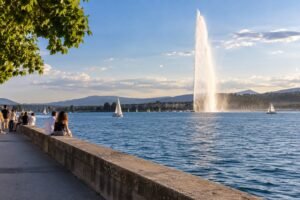
Zurich combines an old town, Lake Zurich and cultural and culinary attractions. Switzerland Tourism’s suggested city exploration includes Lindenhof, Niederdorf, the Grossmünster and Fraumünster churches, followed by the lake. See the official Zurich destination guide for the underlying sights.
Give Zurich a clear purpose in your trip. If you enjoy cities, do not treat it merely as somewhere to sleep before leaving. Choose a neighbourhood walk, a cultural visit or time beside the water, then leave room for a meal rather than attaching another excursion automatically.
If your real priority is mountain scenery, be equally honest about that. You do not need to build a substantial city stay out of obligation. My editorial suggestion is to keep the city portion focused and protect the time you intended for the mountains. For a more detailed city framework, read the Zurich itinerary and adapt it rather than treating its duration as a requirement.
Lucerne: choose a lake-and-town balance
Lucerne’s defining sights include Chapel Bridge, the historic old town and Lake Lucerne. Its old town has painted facades, while the regional options described by Switzerland Tourism include Rigi and Pilatus. The official Lucerne guide provides the context for those choices.
For an initial visit, I would begin with the town and waterfront before deciding how much excursion time to add. The bridge is a recognisable landmark, but it need not be the entire reason for staying. Look at the squares and river setting, then choose whether the lake or a mountain outing deserves the next part of your attention.
Do not combine every regional attraction simply because each appears close on a map. Pick the excursion you genuinely want, check its operating arrangements and allow a separate decision about whether to book it. Keep some town time that does not depend on a summit view. That is a planning preference, not a promise about how the weather will behave.
Jungfrau region: decide whether Wengen fits your stay
Wengen offers a specific way to experience the Jungfrau region: a car-free village reached by the Wengernalp Railway. Jungfrau Railways’ Wengen page describes the rail approach via Interlaken Ost and Lauterbrunnen, and the mountain setting above the Lauterbrunnen valley.
The practical choice is whether that final rail approach appeals to you. Think about luggage, arrival time and whether you want to stay in the village itself rather than using it as a sightseeing stop. A car rental does not turn the final leg into a drive to your accommodation; make the transfer part of the plan.
For a mountain-focused stay, select the outing that matters most before choosing a pass or a package. Do not assume that a regional product covers everything bearing a familiar place name. Compare the exact journey and conditions of the ticket you are considering. Keep hiking decisions separate from village sightseeing: select a specific route, obtain its current description and assess it against your own ability.
Zermatt: choose it when the Matterhorn is a priority
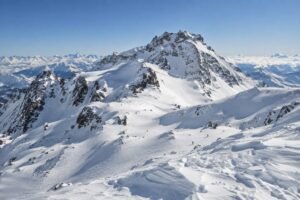
Zermatt is a car-free town in Valais with the Matterhorn as its central attraction. Switzerland Tourism identifies Gornergrat, Sunnegga and Rothorn as viewpoints, and the Matterhorn Museum as a way to explore the mountain’s history and the development of the town. See the official Zermatt guide.
Choose Zermatt because you want a stay built around this setting, not because a map of famous Swiss places seems incomplete without it. If it is your main priority, protect enough flexibility to decide on an excursion after checking current conditions. If it is secondary to everything else, consider whether the transfer is worth the time you would remove from another base.
A viewpoint excursion and a mountain ascent are entirely different propositions. Switzerland Tourism explicitly says the Matterhorn should only be attempted by experienced alpinists. This guide is for destination selection, not mountaineering instruction. For ordinary sightseeing, choose a village activity as well as any mountain transport you are considering, so the visit is not defined solely by a hoped-for photograph. Source: Switzerland Tourism mountain guidance.
Montreux: make room for the waterfront
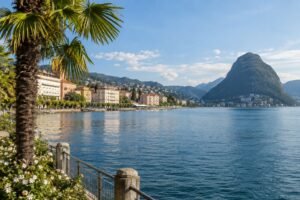
Montreux sits on Lake Geneva in French-speaking Switzerland. The lakeside promenade, Freddie Mercury statue, old town and nearby Chillon Castle give it several distinct points of interest. Switzerland Tourism also describes the cogwheel railway to Rochers-de-Naye in its Montreux guide.
I would choose Montreux when a waterfront pause is part of the trip you actually want. Begin with time by the lake, then decide whether the castle, old town or a regional excursion should be your main additional activity. Avoid filling the entire stay with departures elsewhere if the lakeside setting is what attracted you.
If Chillon is essential, verify visitor arrangements directly before fixing the rest of the day around it. If your interest is music, investigate the particular attraction or event you want rather than assuming that the town’s festival reputation describes the experience on every travel date. The destination and the event calendar are separate planning questions.
Bern: choose it for an old-town visit with a clear focus
Bern’s old town is UNESCO-listed, with arcades, fountains, the cathedral and the Zytglogge clock tower among its defining sights. Switzerland Tourism also highlights the Rose Garden for views over the old town in its official Bern guide.
Build the visit around the streets rather than a race between monuments. Choose a section of the old town, look at the fountains and covered passages, then decide whether to continue to a viewpoint. If interiors matter more than walking, investigate a specific museum or guided visit in advance instead of assuming everything can be improvised on arrival.
Bern is my editorial pick here when you want to concentrate on urban history without making a mountain excursion the organising principle of the stay. It can also serve as a deliberate change of pace in a broader trip. Treat that as an option, not a claim that every Swiss itinerary needs a capital-city stop.
Choose a route and transport after choosing your priorities
For a town-and-lake emphasis, consider Zurich and Lucerne as the core of your plan. For a mountain-led trip, choose between the Jungfrau region and Zermatt before deciding whether to include both. For historic streets and waterfront time, compare Bern and Montreux. These are suggested combinations, not measured routes or promises about journey lengths.
Write your proposed overnight bases in order and check each transfer before booking. Use the current journey planner, include the final approach to the accommodation and avoid judging a connection by station-to-station time alone. Reverse the order if your actual arrival and departure arrangements make that more sensible. There is no need to return to the starting point unless your transport booking requires it.
Choose a car only after identifying what it adds to your own route. Wengen and Zermatt are car-free, as their official sources explain. For journeys elsewhere, compare the convenience of driving with the specific rail connections rather than assuming either mode is universally superior. If considering a rental, review the vehicle, collection arrangements, insurance terms and any cross-border restrictions before paying. Source: Wengen rail-access information. Source: Zermatt car-free information.
Booking checks: compare the trip, not the headline price
For flights, you can compare options on Trip.com and Aviasales. If a car fits the route, review the offers and rental conditions on GetRentacar. These are booking options, not endorsements of a particular fare or promises of savings.
Before committing, total the accommodation, transfers and activities you would actually choose. Compare a transport pass against those exact journeys and check exclusions. Read cancellation terms, especially when a major excursion is the reason for an overnight stop. Keep a list of decisions still awaiting confirmation rather than disguising them as a fixed itinerary.
Questions before you decide
Do I need all six destinations?
No. They are a comparison set, not a minimum requirement. Remove the least compelling stop before reducing every stay to a hurried arrival and departure.
What budget should I use?
Use live quotes for your dates, room needs and chosen activities. This guide deliberately avoids a daily spending figure that could conceal very different accommodation and excursion choices.
What is the next planning step?
Choose the main experience, shortlist bases and verify the transfers. Only then book accommodation and compare tickets. Keep the official destination pages as references for the specific attractions that remain in your plan.
Editorial standards
Why trust this guide
- Route-checked. Itineraries, transfers and timings are verified against current public-transport schedules and operator pages.
- Honest comparisons. Hotel areas and tours are compared on real value — affiliate links never change the recommendation.
- Transparent. Some links are affiliate links; the disclosure is shown on every guide.
This guide is informational travel content, not professional travel, financial or legal advice. Always confirm prices, opening times and conditions with the official provider before you book.