Bernese Oberland Switzerland Travel Guide 2026: Everything You Need to Know Before You Go
Bernese Oberland Switzerland Travel Guide 2026: Everything You Need to Know Before You Go
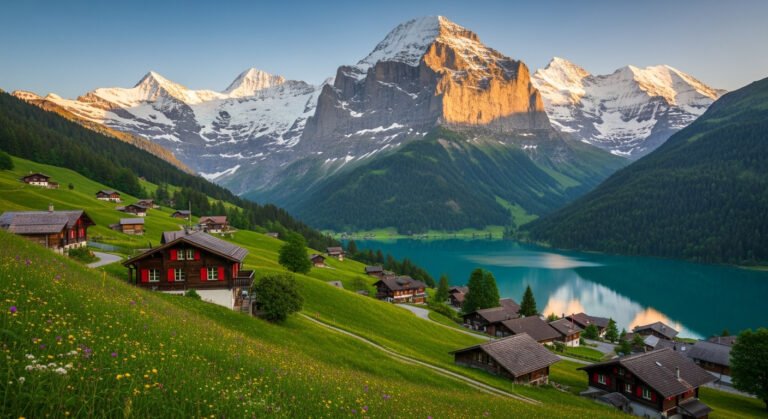
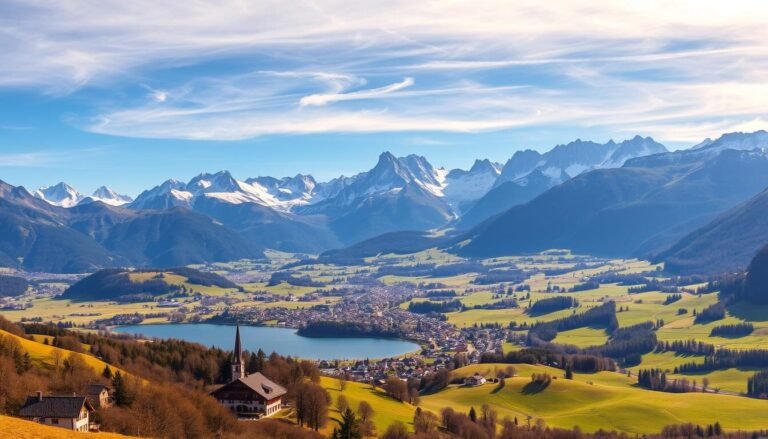
The Bernese Oberland is Switzerland’s most iconic alpine region — a compact area of dramatic peaks, pristine lakes, and medieval villages that packs more scenery per square kilometer than almost anywhere else on earth. Whether you’re planning your first Swiss trip or your fifth, this complete guide covers every essential: the best villages to base yourself in, how to beat the crowds, what the iconic Jungfraujoch really costs (and whether it’s worth it), and the insider tips most travel blogs never mention.
Here’s what you actually need to know in 2026.
What Is the Bernese Oberland? A Quick Orientation
The Bernese Oberland (Berner Oberland in German) is the alpine heartland of the Swiss canton of Bern, stretching from the shores of Lakes Thun and Brienz up through the Lauterbrunnen and Grindelwald valleys to the famous “big three” peaks: the Eiger (3,967m), Mönch (4,107m), and Jungfrau (4,158m).
The main gateway city is Interlaken, which sits between the two lakes. From Interlaken, you can reach any major destination in the region within 30–90 minutes by train or cable car. That connectivity is key — you don’t need a car here. The region runs on one of the world’s most efficient mountain railway networks.
Key areas to know:
- Interlaken — the flat valley hub, best for budget travelers
- Lauterbrunnen — the dramatic waterfall valley, gateway to Wengen and Mürren
- Grindelwald — the most touristic mountain village, gateway to Jungfraujoch via Eiger Express
- Wengen and Mürren — car-free mountain villages with direct Eiger-Jungfrau views
- Kandersteg — quieter alpine base in the western Bernese Oberland
- Brienz — lakeside town known for wood carving and Brienzer Rothorn
The 6 Must-See Highlights of the Bernese Oberland
1. Jungfraujoch — Top of Europe (3,454m)
Europe’s highest railway station is the region’s crown jewel — and for good reason. The views from the Sphinx Terrace are genuinely breathtaking: a 360-degree panorama of the Aletsch Glacier (the longest glacier in the Alps at 23km), the Bernese Alps, and on clear days, even Mont Blanc in France.
What most guides don’t emphasize: the weather makes or breaks this trip. The summit is at altitude and cloud cover can obscure everything. Always check the Jungfrau Railway webcam before booking same-day tickets. A clear morning (before 10am) gives the best visibility before afternoon cloud builds.
Cost in 2026: The round-trip fare from Interlaken Ost costs approximately CHF 210 standard price, but the Good Morning Ticket (for trains before 7:30am) brings this down to CHF 165. Swiss Travel Pass holders get a 25% discount. Book at least 48 hours in advance during peak season (July–August).
The Eiger Express difference: The new Eiger Express gondola from Grindelwald cuts the summit journey to just 48 minutes (vs. 2+ hours from Interlaken). If you’re already basing yourself in Grindelwald, use this route — it’s dramatically faster and the gondola views over the glacier are superb.
2. Lauterbrunnen Valley — The Waterfall Wonder
Lauterbrunnen is one of the most dramatic valleys in Europe. A sheer-walled glacial trough with 72 waterfalls cascading down its 300-meter cliffs, it inspired J.R.R. Tolkien’s vision of Rivendell. The valley floor is just 2km wide, but it feels like the world’s walls are closing in — in the most beautiful way possible.
Key stops in the valley:
- Staubbach Falls — free to view, right from the village; a 297m free-fall waterfall
- Trümmelbach Falls — glacial meltwater thundering inside the mountain (CHF 14 entry); genuinely unique
- Mürrenbahn and Schilthorn cable car — up to the revolving restaurant made famous by the James Bond film *On Her Majesty’s Secret Service*
For the best base in the entire Bernese Oberland, stay in Wengen (above Lauterbrunnen, car-free, direct Jungfrau views) or Mürren (fully car-free, more remote, arguably more authentic). Both are accessible only by train or cable car — which keeps the crowds slightly thinner than Grindelwald.
3. Grindelwald First — Adventure Capital
Grindelwald’s First (summit at 2,168m) is the adventure playground of the region. The First Cliff Walk is a free suspension bridge trail bolted into the cliff face with vertiginous views down the valley. The First Flyer zip line and First Glider are paid thrills for adrenaline seekers (CHF 36 and CHF 43 respectively in 2026).
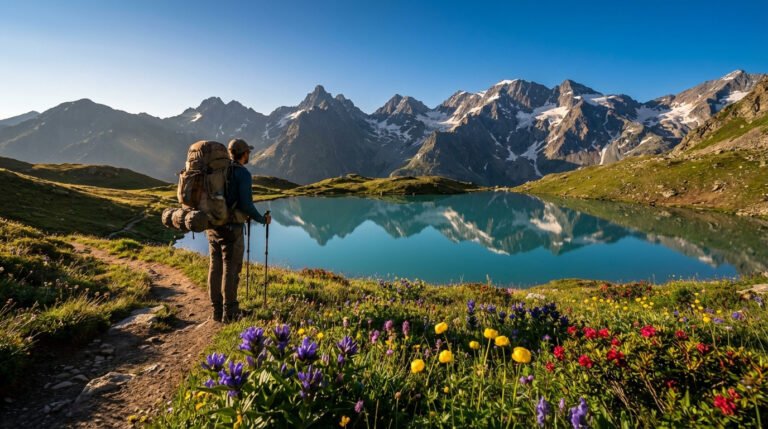
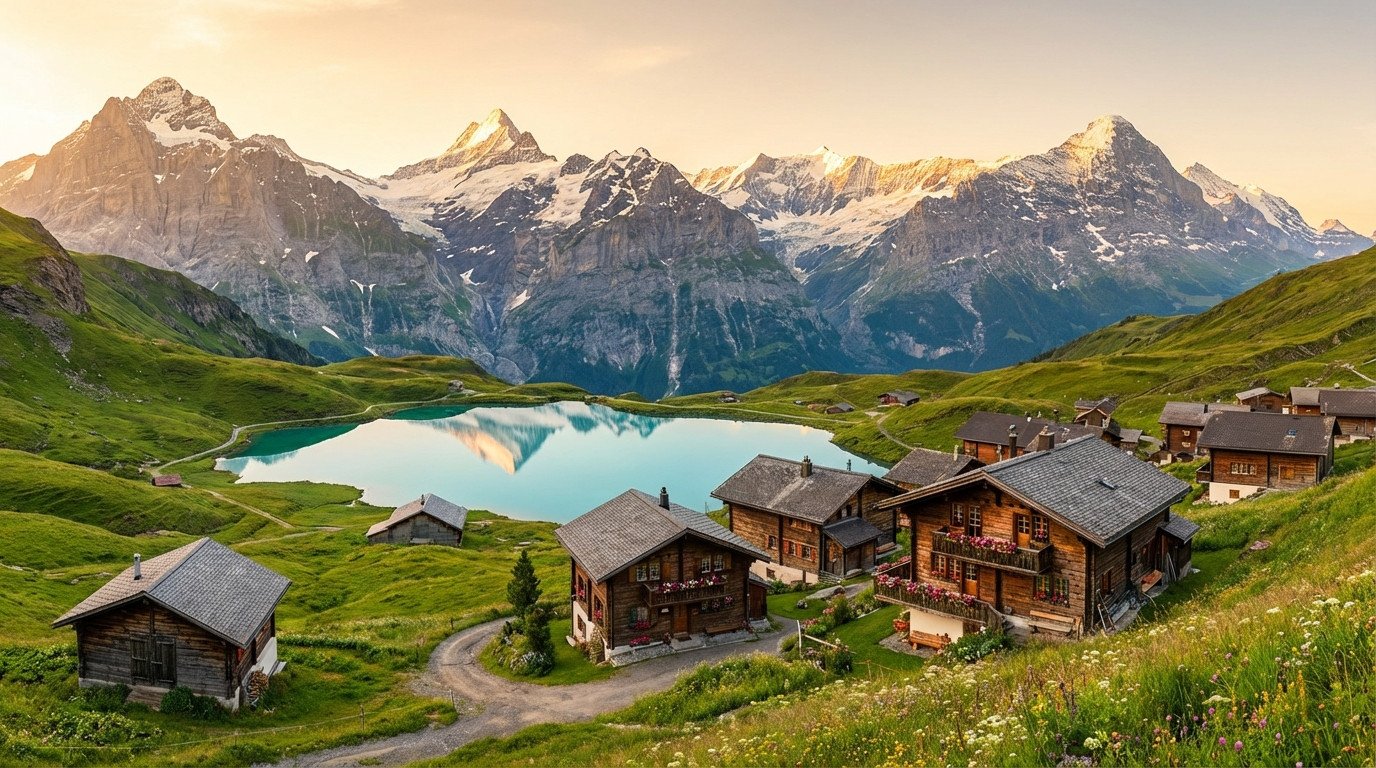
The hike to Bachalpsee Lake (about 45 minutes from the gondola top station) is consistently rated as one of the most Instagram-worthy walks in Switzerland. The lake reflects the Eiger and Schreckhorn on calm mornings — arrive before 9am for the reflection shots.
4. Schilthorn (Piz Gloria) — James Bond’s Mountain
At 2,970m, the Schilthorn offers a rotating 360° view of 200+ peaks, including the Eiger, Mönch, and Jungfrau right across the valley. The summit restaurant “Piz Gloria” was used in the 1969 Bond film and the dining area still leans into the Bond theme heavily.
Important 2026 note: The SCHILTHORN 20XX renovation project is ongoing. Check the official Schilthorn website before booking — some periods have maintenance windows affecting gondola access. The new summit facilities being built are expected to significantly upgrade the experience once complete.
Access from Mürren is quicker than from Stechelberg in the valley — factor this into your base choice.
5. Lakes Thun and Brienz — The Turquoise Anchors
The two lakes flanking Interlaken are often overlooked by visitors rushing to the peaks, but they’re genuinely beautiful. Lake Brienz, in particular, has an almost unreal turquoise color from glacial minerals — comparable to the famous Canadian Rockies lakes.
Brienz village is worth half a day: the wood carving tradition here is centuries old, and you can watch artisans work in the studios along the main street. The Brienzer Rothorn steam cogwheel railway (operating seasonally) is one of the last remaining steam mountain railways in Switzerland.
On Lake Thun, Thun Castle and the charming old town are 25 minutes from Interlaken by train — a low-cost half-day excursion that most visitors skip entirely.
6. Hidden Gem: Blausee and Kandersteg
The western Bernese Oberland (the Kandersteg area) gets a fraction of the tourist traffic of Grindelwald but offers spectacular scenery. Blausee is a crystal-clear glacial lake in a private nature park (CHF 7 entry) that looks genuinely surreal — especially in the quieter months of May and October.
Kandersteg itself is a quiet alpine village with access to Oeschinensee (a spectacular mountain lake at 1,578m — cable car + 20 min walk) and excellent hiking in the Gasterntal valley. It’s the Bernese Oberland for people who want the scenery without the crowds.
Bernese Oberland by Budget: What It Actually Costs in 2026
Switzerland is expensive — there’s no sugarcoating it. But strategic planning can dramatically reduce costs without sacrificing the experience.
The Passes Worth Buying
| Pass | Coverage | Best For | Approx. Cost (2026) |
|---|---|---|---|
| Swiss Travel Pass (8 days) | All trains, buses, boats + 50% most mountain transport | Multi-city Switzerland trips | CHF 699 (2nd class) |
| Berner Oberland Pass (5 days) | All regional trains, boats, 25+ mountain railways | Staying in region 5+ days | CHF 320 |
| Jungfrau Travel Pass (3 days) | Regional trains + Jungfraujoch access included | Jungfraujoch-focused trips | CHF 385 |
| Half-Fare Card (1 month) | 50% off all Swiss public transport | Flexible itineraries | CHF 120 |
Budget reality check: A mid-range day in the Bernese Oberland (accommodation, food, one mountain excursion) will cost CHF 200–350 per person. Budget options (hostel bunk, self-catering, free hikes only) can get this down to CHF 80–120. According to the Swiss Tourism Board, the average international visitor to the Jungfrau region spends approximately CHF 280 per day including accommodation — making it one of the top 5 most expensive alpine destinations globally.
Free and Low-Cost Activities
- Lauterbrunnen valley floor walk (free)
- Staubbach Falls viewpoint (free)
- First Cliff Walk on Grindelwald First (free with gondola ticket)
- Bachalpsee hike from Grindelwald First (free with gondola)
- Swimming in Lake Brienz or Lake Thun (free)
- Valley hiking trails throughout the region (free)
- Thun old town and castle grounds (free or minimal entry)
Best Base: Interlaken vs. Lauterbrunnen vs. Grindelwald vs. Wengen
This is the decision most first-timers get wrong. Here’s an honest comparison:
Interlaken
Best for: Budget travelers, those wanting easy transport connections, groups with mixed interests.
Pros: Cheapest accommodation in the region, best transport hub, wide range of restaurants and shops.
Cons: No mountain views from town center, feels like a tourist transit point rather than an alpine village, 30–45 minutes from the mountain scenery.
Lauterbrunnen
Best for: Hikers, waterfall lovers, those wanting a quieter village feel.
Pros: Stunning valley setting, 72 waterfalls on your doorstep, excellent train connections up to Wengen and Jungfraujoch.
Cons: Can feel hemmed in by the valley walls, limited dining options, smaller accommodation range.
Grindelwald
Best for: Eiger views, adventure activities, those wanting the classic Swiss mountain village look.
Pros: Spectacular Eiger face directly above town, fastest Jungfraujoch access via Eiger Express, excellent hiking from the village itself.
Cons: Most touristic village in the region, can be crowded July–August, accommodation prices higher than Interlaken.
Wengen (Recommended for First-Timers)
Best for: Those wanting the full alpine village experience without the Grindelwald crowds.
Pros: Car-free, spectacular Jungfrau views from the village, direct train to Jungfraujoch, charming atmosphere, quieter than Grindelwald.
Cons: Accessible only by cog railway, more limited dining options, slightly higher accommodation prices.
3 Key Statistics About the Bernese Oberland in 2026
Understanding the scale of this destination helps put planning in context:
- 23 kilometers: The length of the Aletsch Glacier, visible from Jungfraujoch. It is the longest glacier in the Alps and a UNESCO World Heritage Site — but has retreated over 3km in the past 100 years due to climate change, according to the Swiss Federal Institute for Forest, Snow and Landscape Research (WSL).
- 1.4 million visitors per year: The Jungfraujoch receives approximately 1.4 million visitors annually, making it one of the 10 most visited mountain destinations in Europe (Jungfrau Railways annual report 2024). Summer peak is July–August when 6,000+ visitors per day can arrive at the summit.
- 72 waterfalls: The Lauterbrunnen Valley contains 72 documented waterfalls, 10 of which are visible from the valley floor. Staubbach Falls drops 297 meters in a near-vertical free-fall — one of the highest free-falling waterfalls in Europe, as documented by the Swiss Alpine Club.
Bernese Oberland Hiking: The Best Trails by Level
The region has over 300km of marked hiking trails. Here’s a curated selection by difficulty:
Easy (Suitable for All Fitness Levels)
- Lauterbrunnen Valley Walk — 8km, flat, through waterfalls and meadows
- Bachalpsee Lake Loop (from Grindelwald First) — 5km, mostly flat, spectacular lake views
- Niederhorn Panorama Trail (from Beatenberg) — 6km, easy ridge walk above Lake Thun
Moderate (Some Elevation, Well-Marked)
- Männlichen to Kleine Scheidegg — 6km, 100m descent, famous Eiger/Mönch/Jungfrau panorama trail
- Schynige Platte to Faulhorn — 6km one way, 400m ascent, legendary ridge walk with views of 70+ peaks
- Harder Kulm Loop (from Interlaken) — 5km, 700m ascent, good for acclimatization
Challenging (Fit Hikers Only)
- Faulhorn to Bachalpsee full traverse — 16km, 1,100m total ascent/descent, considered one of the best day hikes in Switzerland
- Schilthorn Circuit via Birg — 12km, exposed ridgeline sections, requires good weather
- Grosse Scheidegg to Bussalp — 15km, remote and quiet, Wetterhorn views without crowds
For current trail conditions and any closures, check our Swiss Alps hiking guide which is updated seasonally.
When to Visit the Bernese Oberland in 2026
July–August: Peak season. Everything is open. Jungfraujoch and Grindelwald are at their busiest — expect queues at cable cars and book accommodation months in advance. Wildflower meadows at their peak. Temperatures in the valleys reach 25–30°C.
September–October: Best overall. Crowds thin significantly after Labor Day (US) and European school holidays end. Foliage turns golden in late October. Weather often remains stable. Most facilities still fully open through September. October starts to see some closures at higher elevations.
May–June: Shoulder season with lush green valleys and powerful waterfalls (snowmelt). Some mountain transport runs on reduced schedules until late June. Excellent for photographers — fewer people, dramatic clouds, greener landscapes. Some high trails still snowy in May.
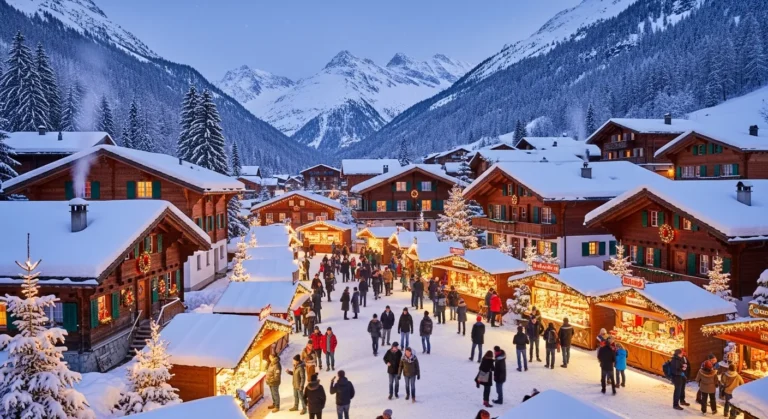
December–March: Winter season. Grindelwald and Wengen become ski resorts. The Jungfrau Ski Region covers 206km of pistes connecting Grindelwald, Wengen, and Mürren. Not the cheapest ski option in Switzerland, but arguably the most scenically dramatic.
Avoid mid-August if crowds bother you — August 1st (Swiss National Day) and the two weeks around it see the highest visitor volumes of the year, particularly at Jungfraujoch.
Getting Around: The Swiss Rail System Explained
The Bernese Oberland is built for public transport. Here’s how it works:
- BOB (Berner Oberland Bahn) — the main train line from Interlaken Ost to Lauterbrunnen and Grindelwald
- WAB (Wengernalpbahn) — cog railway from Lauterbrunnen to Wengen and Kleine Scheidegg
- JB (Jungfraubahn) — the famous tunnel railway from Kleine Scheidegg to Jungfraujoch
- Eiger Express — new 3S gondola from Grindelwald Grund to Eigergletscher (opens 2023-built capacity, fully operational 2024+)
- Schilthornbahn — cable car from Stechelberg/Mürren to Schilthorn summit
- BLS AG — main regional trains connecting Interlaken to Bern, Thun, and Spiez
The connections are timed to align perfectly — a Swiss obsession with punctuality means you rarely wait more than 10 minutes for a connection. Download the SBB Mobile app for real-time schedules and e-tickets.
For tips on navigating the broader Swiss rail network affordably, see our guide to Swiss transportation secrets.
Practical Tips for 2026
Book Jungfraujoch Early
Seriously — if visiting June through August, book Jungfraujoch train tickets at least 2–3 days in advance. The cog railway has limited capacity and summer dates sell out. The Good Morning Ticket (first trains, before 7:30am) is both cheaper AND gives better weather odds.
Pack Layers
The temperature difference between Interlaken (valley, ~600m) and Jungfraujoch (3,454m) is roughly 20–25°C. Shorts and a t-shirt at the lake becomes heavy jacket and gloves at the summit. Always bring a mid-layer fleece and waterproof shell regardless of the valley weather.
Altitude Awareness
Jungfraujoch is at 3,454m — high enough for some visitors to experience mild altitude sickness (headache, nausea, dizziness). If you’re susceptible, take it slow at the top, drink water, and avoid strenuous activity. Most visitors feel fine, but it’s worth knowing.
Cash vs. Card
Switzerland is overwhelmingly card-friendly in 2026. Contactless payment works everywhere from mountain cafes to cable car booths. That said, carry CHF 50–100 in cash for smaller valley stalls and some rural hiking huts.
SIM Cards and Connectivity
Mobile coverage in the Bernese Oberland is remarkably good for a mountain region. Swisscom (the dominant carrier) covers most hiking trails and even the Jungfraujoch summit. International SIM cards work fine — Switzerland is not in the EU so EU roaming deals don’t apply, but most carriers now include Switzerland in their roaming packages.
Photography Golden Hours
Sunrise at Wengen or Mürren hits the Eiger, Mönch, and Jungfrau with pink alpenglow — some of the most spectacular mountain lighting in Europe. Sunset from Harder Kulm above Interlaken gives a panoramic view over both lakes. For Bachalpsee reflections, arrive by 8am before any wind disturbs the water surface.
Day Trip Itinerary: The Bernese Oberland Greatest Hits (2 Days)
Day 1: Jungfraujoch + Grindelwald
- 6:30am: Take early train from Interlaken/Wengen toward Kleine Scheidegg
- 8:30am: Arrive Jungfraujoch — Sphinx Terrace and Ice Palace
- 11:00am: Descend to Grindelwald via Eiger Express
- 12:30pm: Lunch in Grindelwald village
- 2:00pm: Grindelwald First gondola — Cliff Walk and Bachalpsee hike
- 6:00pm: Return to base
Day 2: Lauterbrunnen + Schilthorn
- 8:00am: Train to Lauterbrunnen — valley walk and Trümmelbach Falls
- 10:30am: Cable car to Mürren
- 12:00pm: Gondola to Schilthorn summit — lunch at Piz Gloria revolving restaurant
- 2:30pm: Return to Mürren, explore the car-free village
- 4:30pm: Train back via Lauterbrunnen
- Evening: Dinner in Interlaken or Lauterbrunnen
This itinerary is achievable without a car, entirely on public transport, and covers the two most iconic summit experiences in the region.
Where to Stay in the Bernese Oberland: 2026 Recommendations
For the widest choice and best deals, book accommodation 3–6 months in advance for July–August visits. The following villages offer the best bang-for-buck balance:
- Budget: Lauterbrunnen — Valley Hostel or Camping Jungfrau; from CHF 45/night for dorm beds
- Mid-range: Wengen — Hotel Bernerhof or Hotel Edelweiss; from CHF 180/night for doubles with Eiger views
- Splurge: Grindelwald — Romantik Hotel Schweizerhof or The Eiger Mürren (voted best view rooms in Switzerland); from CHF 400/night
For the ultimate splurge, mountain hotels with direct glacier or peak views fill up 6+ months ahead for peak season weekends — set a calendar reminder if this is on your list.
FAQ: Bernese Oberland Switzerland 2026
How many days do you need in the Bernese Oberland?
A minimum of 3 days is needed to see the highlights (Jungfraujoch, Lauterbrunnen/Schilthorn, and one additional excursion). 5–7 days is ideal if you want to hike properly and explore beyond the main tourist circuit. Budget an extra day as weather insurance — mountain excursions are weather-dependent, and you’ll want a backup day if Jungfraujoch is clouded in on your planned date.
Is Jungfraujoch worth the high cost?
Yes, for most visitors — but only on a clear day. The summit experience (Aletsch Glacier views, Ice Palace, Sphinx Terrace) is genuinely unlike anything else in the Alps. The caveat: if you go on a cloudy day, you see nothing but white. Always check the webcam before committing. At CHF 165–210 per person, this is a significant expense — use the Good Morning Ticket and Swiss Travel Pass discount to reduce costs where possible.
What is the best base for visiting the Bernese Oberland?
For first-time visitors, Wengen offers the best balance of alpine atmosphere, direct Jungfraujoch access, and stunning Eiger-Mönch-Jungfrau views from the village itself. It’s car-free, quieter than Grindelwald, and positioned perfectly for both the Jungfraujoch route and the Schilthorn/Lauterbrunnen valley. Budget travelers should base in Lauterbrunnen or Interlaken. Those wanting the most lively scene choose Grindelwald.
Do I need a Swiss Travel Pass or is it cheaper to buy point-to-point tickets?
If you’re doing 3+ mountain excursions and moving between villages over 4+ days, a pass usually saves money. Do the math: a single Jungfraujoch round-trip from Interlaken costs CHF 210; Schilthorn round-trip from Mürren costs ~CHF 55; Grindelwald First gondola ~CHF 50 round-trip. Three excursions = CHF 315+ point-to-point vs. CHF 320–385 for a regional pass that includes transport between villages. Add any train journeys and the pass wins clearly for 5+ day stays. The Swiss Federal Railways journey planner lets you compare total costs before buying.
Is the Bernese Oberland accessible without a car?
Completely. The Bernese Oberland is one of the best car-free destinations in the world. The BOB train from Interlaken reaches Lauterbrunnen and Grindelwald; cog railways and cable cars access every major summit; boat services cross both lakes. Several of the best villages (Wengen, Mürren, Gimmelwald) are car-free by law and only accessible by train or cable car. A car would actually be a disadvantage — most parking lots near trailheads fill by 8am in summer.
What’s the best time to visit Jungfraujoch for clear weather?
Early morning (before 10am) consistently offers the clearest views before convective clouds build over the peaks. High-pressure systems in September and early October tend to produce the most stable, clearest conditions of the year. January–March (winter) also offers excellent clarity due to cold, dry air, but the experience is much colder (-20°C possible at the summit). Check the Jungfraujoch webcam at jungfrau.ch the evening before your planned visit — if the summit is visible in the afternoon, the next morning is likely to be clear.