What Is Alpage Cheese? Swiss Alpine Dairy Explained
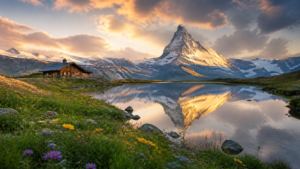
Alpage cheese represents the pinnacle of Swiss dairy craftsmanship, a prestigious category produced exclusively on high-altitude Alpine pastures during the short summer grazing season. This unique production method occurs when livestock graze on nutrient-rich wild mountain flowers and herbs between roughly 1,400 and 2,500 meters above sea level. The term “alpage” refers specifically to the seasonal mountain pasture itself, derived from the French word for Alpine grazing land, while the German equivalent is often referred to as “Alp.” Cheese carrying that label must, by strict Swiss law and Protected Designation of Origin (PDO/AOP) regulation, be produced on site at altitude. Production takes place in traditional small copper cauldrons between late May and early October, following the ancient rhythm of the transhumance. The result is a wheel with a flavour complexity and aromatic depth that factory-floor cheese simply cannot replicate. If you have ever wondered what is alpage cheese and why a wheel from the Alps costs two or three times more than a standard supermarket round, this guide gives you every answer. For those planning to visit these regions, the Swiss Alps Hiking Guide for Beginners 2026: Hidden Trails… offers insights on reaching these remote dairies.
Editorial note: this refresh focuses on practical accuracy, clear caveats, and easier comparison for readers making a 2026 decision. Understanding the distinction between valley dairy and mountain dairy is crucial for enthusiasts comparing regions, such as in the debate of Switzerland vs Austria – Which Alpine Country Wins regarding Alpine culinary traditions. The unique terroir of the Swiss Alps creates a product that is not just food, but a cultural heritage protected by strict federal laws. Each wheel tells a story of the specific mountain, the weather conditions of that summer, and the hands of the cheesemaker. This heritage ensures that every bite connects the consumer directly to the landscape. Unlike industrial cheese, alpage varieties are never made from pasteurized milk, preserving the native enzymes that contribute to their distinctive sharpness and texture.

What Makes Alpage Cheese Different from Regular Swiss Cheese?
The single biggest factor separating alpage cheese from standard Swiss cheese is the milk composition and the biological diversity of the pasture. Cows, goats, or sheep grazing on high mountain pastures consume a diet of several hundred plant species, including wild thyme, gentian, clover, various grasses, and edible wildflowers. This stands in stark contrast to the uniform silage or hay fed on lowland farms. That botanical diversity transfers directly into the milk’s aromatic compounds. According to research published by Agroscope, the Swiss national centre for agricultural research, alpine milk contains significantly higher concentrations of polyunsaturated fatty acids and fat-soluble vitamins compared to valley milk from the same breeds. This chemical difference is driven by pasture diversity and the mild altitude stress on the animals, which alters their metabolism and enriches the milk with omega-3 fatty acids.
Production scale is the second major difference. An average alpage produces between 20 and 80 wheels per season, compared with thousands at an industrial facility. The cheesemaker, often the farmer known as the “Senn,” lives on the mountain for the entire season, working without electricity in many cases and using copper cauldrons heated over open wood fires. Copper is essential because it conducts heat evenly and interacts with the milk proteins to enhance flavour development and coagulation. That direct heat, combined with the raw milk and ambient microflora of the mountain environment, builds a microbial fingerprint in every wheel that is traceable to a specific alp, season, and even cheesemaker. Switzerland counted approximately 1,800 active alpine summer farms (Sömmerungsbetriebe) according to the Federal Office for Agriculture’s 2023 agricultural report. This number has remained stable over the past decade as PDO protections have kept the tradition economically viable. Travelers exploring these regions often visit 2026 Guide: 9 Car-Free Swiss Alpine Villages You Must See to find authentic producers.
Seasonality is legally enforced, not merely traditional. Genuine alpage cheese cannot be made from November to April because the animals are back in the valley. Any wheel labelled “alpage” or “d’alpage” that you find year-round in a specialty shop was produced and aged the previous summer. The youngest wheels hit shelves in autumn, while longer-aged varieties like L’Etivaz become available through winter and into the following spring. This scarcity drives demand among connoisseurs who track the seasonal release cycles closely. Furthermore, the aging process often occurs in natural mountain cellars where humidity and temperature fluctuate with the weather, adding another layer of complexity to the rind development and interior paste.
Which Regions Produce the Best Alpage Varieties?
The season opens when snow melts at altitude, typically late May or early June in most Swiss cantons, and closes in September or October when the cattle transhumance brings animals back down for winter. This formal descent is called “désalpe” or “Alpabzug” and is often celebrated with local festivals featuring decorated cows and traditional music. Regions where alpage production is most concentrated include specific geographic zones known for their dairy heritage:
- Fribourg Pre-Alps and Gruyères district, the heartland of Gruyère d’Alpage AOP and L’Etivaz AOP. These regions are famous for hard cheeses aged in humid cellars.
- Bernese Oberland, including the alps above Grindelwald, Kandersteg, and the Simmental valley. If you are planning a hike through the area, the Swiss Alps Hiking Guide for Beginners 2026 maps trails that pass directly by working alpage farms where you can sometimes buy cheese on the spot.
- Appenzell Innerrhoden and Ausserrhoden, source of Appenzeller Alpage and Alpkäse varieties known for their spicy brine wash and robust flavour profiles.
- Valais, home of Raclette d’Alpage and several regional alpine styles that pair perfectly with local dried meats and rye bread.
- Vaud Pre-Alps (Pays-d’Enhaut), exclusive territory for L’Etivaz AOP, whose regulation requires production at a minimum of 1,000 metres altitude between May 10 and October 10.
The total volume of alpage cheese produced in Switzerland each summer is modest relative to the country’s overall dairy output. Switzerland Cheese Marketing notes that Switzerland exports over CHF 750 million worth of cheese annually, but alpage varieties represent a small, premium fraction of that total. This scarcity is precisely why they command higher retail prices and why experienced buyers seek them out before the season’s stock runs out. For budget-conscious travelers looking to experience the culture without the premium price tag, reviewing a Lauterbrunnen Valley Switzerland Guide 2026: Budget Breakdown can help plan costs around food and lodging.
What Are the Most Popular Types of Alpage Cheese?
While “Alpage” denotes the production method, several specific cheese varieties carry this distinction under Swiss AOP laws. Knowing the specific types helps buyers select the right flavour profile for their palate. Gruyère d’Alpage AOP is perhaps the most famous, offering a dense texture with sweet, nutty notes that intensify with age. It is typically aged for a minimum of five months, but reserve wheels can mature for over two years. L’Etivaz AOP is similar to Gruyère but made exclusively in the Vaud region using wood-fired copper cauldrons, resulting in a smokier, more robust flavour with hints of caramel.
Editorial standards
Why trust this guide
- Route-checked. Itineraries, transfers and timings are verified against current public-transport schedules and operator pages.
- Honest comparisons. Hotel areas and tours are compared on real value — affiliate links never change the recommendation.
- Transparent. Some links are affiliate links; the disclosure is shown on every guide.
This guide is informational travel content, not professional travel, financial or legal advice. Always confirm prices, opening times and conditions with the official provider before you book.