Disclosure: This article contains affiliate links. If you book through our links, we may earn a commission at no extra cost to you. We only recommend services we consider genuinely useful for travellers to Ticino.
Ticino Switzerland Travel Guide: Hidden Italian Switzerland
Ticino is the only Swiss canton where Italian is the official language, and that fact shapes everything: the architecture, the food, the pace, and the light. Palm trees line the lakefronts. Espresso costs less than in Zurich. The Alps stand directly behind you while the Mediterranean feels within reach.
Most visitors to Switzerland spend their entire trip north of Lucerne. They miss this entirely. This guide covers what Ticino is, how to get there, where to stay, what to do, and how to spend your time without wasting a day.
What Makes Ticino Different from the Rest of Switzerland?
The short answer: everything south of the St. Gotthard Pass behaves like Italy.
Ticino borders Italy on three sides and sits at a lower elevation than the alpine cantons to the north. The climate is measurably warmer. The canton records over 2,200 hours of sunshine annually, more than any other Swiss region, according to Switzerland Tourism. Locals call it the “Sunroom of Switzerland.”
The architecture follows Italian tradition: terracotta rooftops, arcaded piazzas, baroque churches with frescoed interiors. The food moves away from cheese fondue toward risotto, polenta, and ossobuco. Wine comes from local Merlot vines that produce surprisingly good bottles, especially around Lugano and Mendrisio.
None of this means Ticino is a budget destination. Swiss prices apply across the board. But the character is distinct enough that experienced travellers treat it as a separate journey entirely.
Where Is Ticino? Getting There from Zurich and Geneva
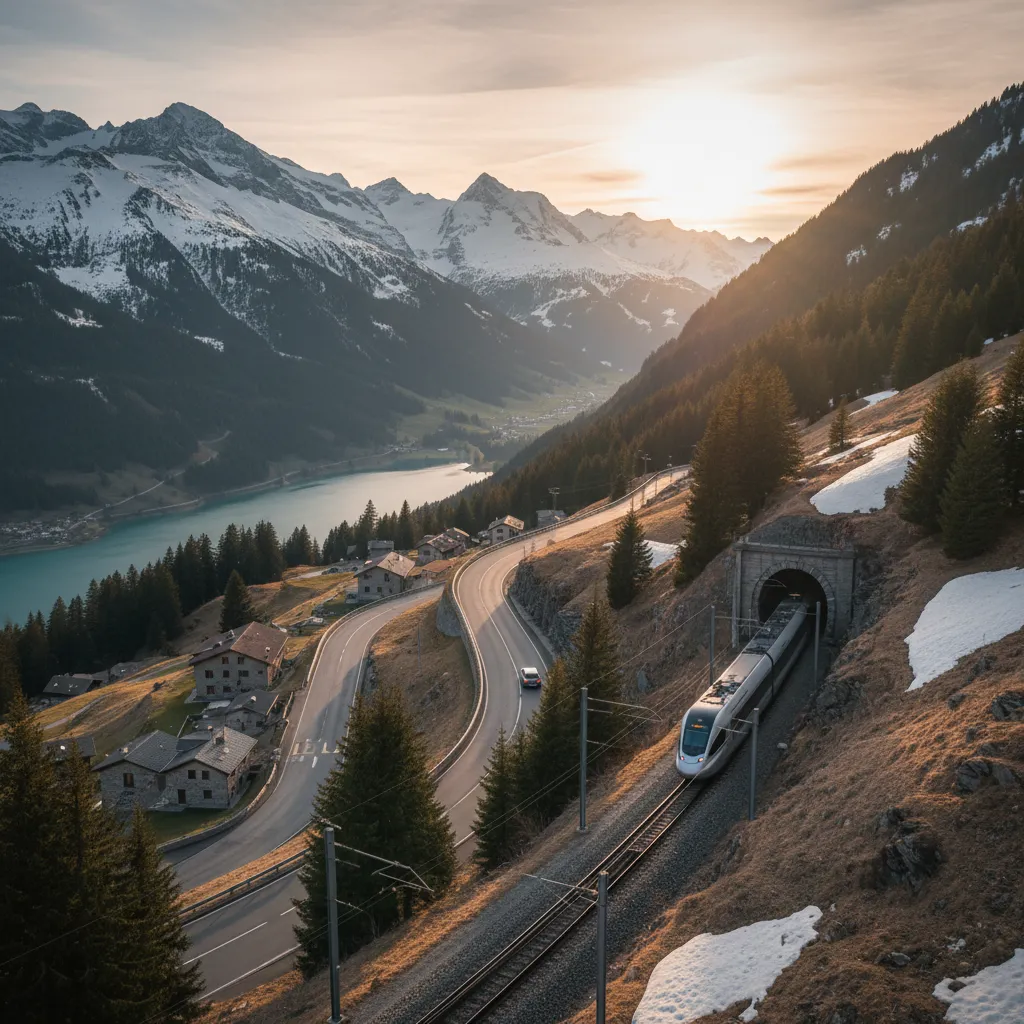
Ticino sits in the southernmost tip of Switzerland, connected to the rest of the country through the St. Gotthard mountain corridor.
From Zurich
The direct train from Zurich HB to Lugano takes approximately 2 hours and 15 minutes on the IC (InterCity) service via the Gotthard Base Tunnel, the world’s longest rail tunnel at 57 km. SBB runs multiple departures per hour during peak travel times. A one-way ticket costs approximately CHF 48 in standard class; Swiss Pass holders travel free.
Train tickets for specific dates can be booked in advance through Trip.com, which often lists promotional rail fares alongside hotel combinations.
From Geneva
Geneva to Lugano runs approximately 3 hours 30 minutes by direct IC service, changing at Zurich or Arth-Goldau depending on the schedule. Fares start around CHF 72 one-way. Check SBB for current timetables.
From Milan
Lugano is 60 minutes from Milan Centrale by direct train. This makes Ticino an unusually good entry point for travellers who fly into Malpensa or Linate.
By Car
The A2 motorway connects Zurich to Lugano through the Gotthard Road Tunnel. Driving time is approximately 2 hours 30 minutes in normal traffic. A Swiss motorway vignette (CHF 40 per year) is required.
Lugano: The Cosmopolitan Heart of Ticino
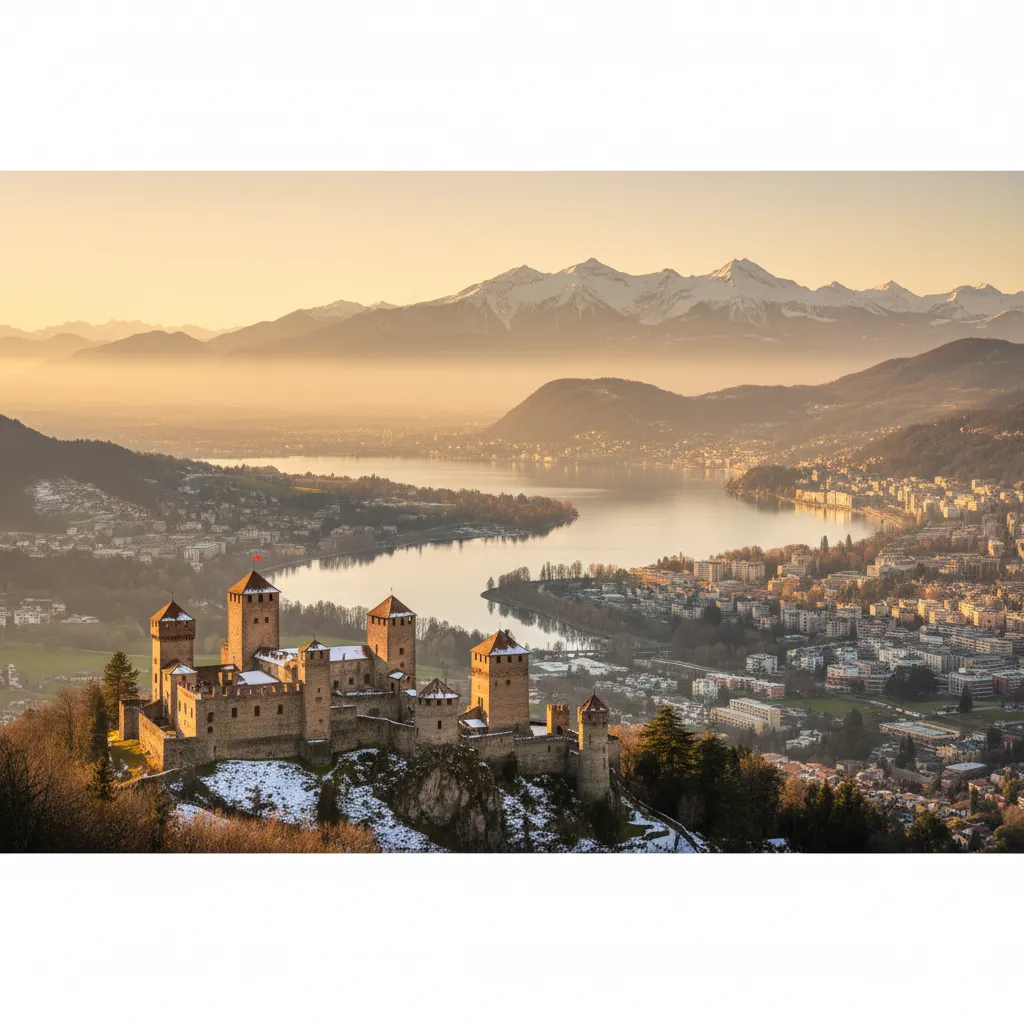
Lugano is Ticino’s largest city and its financial and cultural centre. It sits on Lake Lugano, surrounded by Monte San Salvatore to the south and Monte Brè to the east. The city has the infrastructure of a Swiss banking hub and the street life of a northern Italian town.
Top Things to Do in Lugano
Piazza della Riforma is the main square, flanked by the neoclassical Palazzo Civico. Sit at a café, order an espresso, and watch the city operate before the tourist day begins. The market runs here on Tuesday and Friday mornings.
Monte San Salvatore offers the best panoramic view of Lake Lugano and the surrounding alps. The funicular departs from Paradiso, a 10-minute walk south of the city centre, and takes 12 minutes to the summit. Return ticket costs approximately CHF 28. The view from the terrace covers the full sweep of the lake and, on clear days, extends south into Italy.
Monte Brè on the eastern edge of Lugano provides a different angle: the full lake visible below, the city compact in the foreground. The funicular runs from the Cassarate district. Combined with the lakeside trail, it makes a half-day excursion.
Parco Ciani runs along the lakefront east of the city centre and offers free access, shaded walking paths, and direct lake views. The rose garden blooms from May through October.
Santa Maria degli Angeli, a 16th-century church near the ferry terminal, contains a fresco cycle by Bernardino Luini considered one of the finest Renaissance works in Switzerland. Entry is free.
MASI Lugano (Museum of Art of Lugano) presents temporary exhibitions in the Palazzo Reali and the LAC cultural complex. The permanent collection includes 20th-century Swiss and Italian works. Entry runs approximately CHF 15.
Where to Stay in Lugano
Lugano has accommodation at every price point, from boutique hotels on the lakefront to business hotels a few minutes from the centre.
For hotel bookings in Lugano, Grindelwald Travel Guide 2026: Best Hikes, Views & Hidden Gems
Editorial standards
Why trust this guide
- Route-checked. Itineraries, transfers and timings are verified against current public-transport schedules and operator pages.
- Honest comparisons. Hotel areas and tours are compared on real value — affiliate links never change the recommendation.
- Transparent. Some links are affiliate links; the disclosure is shown on every guide.
This guide is informational travel content, not professional travel, financial or legal advice. Always confirm prices, opening times and conditions with the official provider before you book.