Switzerland Travel Tips & Insights 2025
Imagine packing four cultures, 10,000+ mountain peaks, and a train system so precise you could set your watch by it into a country smaller than Maryland. That’s Switzerland—a compact wonder where 63% of visitors return within three years, drawn by its unmatched blend of efficiency and natural grandeur.
This landlocked gem isn’t just about postcard views. You’ll navigate regions where greetings shift from “Grüezi” to “Bonjour” faster than a fondue pot melts cheese. With 1,500 lakes mirroring snow-capped Alps, every turn reveals new perspectives—if you know where to look.
Local wisdom makes all the difference here. Did you know a single rail pass unlocks panoramic routes most tourists miss? Or that village bakeries often serve better lunches than pricey restaurants? We’ll show you how to stretch Swiss Francs without skimping on experiences.
From decoding multilingual menus to timing your hike for wildflower blooms, this guide transforms overwhelming details into clear steps. You’ll discover why savvy explorers call it “Europe’s greatest shortcut”—where glaciers and medieval towns sit just hours apart.
Overview of Switzerland: A Diverse Travel Destination
Few places blend natural grandeur and cultural depth as seamlessly as this alpine nation. Within its borders, you’ll encounter four official languages and microclimates shifting faster than train schedules. This cultural mosaic thrives across 26 cantons, each guarding traditions older than the Swiss Guard itself.
Why Switzerland Stands Out
The country’s 13 UNESCO sites range from 9th-century abbeys to living vineyards clinging to lakeside slopes. You could breakfast in a German-speaking altstadt (old town), lunch in a French-inspired bistro, and dine under Italianate arcades—all without crossing international borders.
Unique Landscapes and Cultural Riches
Glaciers here neighbor flower-strewn meadows, with 48 peaks towering above 13,000 feet. The Matterhorn’s iconic silhouette isn’t just a mountain—it’s a cultural symbol immortalized in chocolate bars. Lakes mirror medieval castles while modern cities hum with cutting-edge design.
Regional diversity shines through local customs. German-speaking areas celebrate precision with clockmaking workshops, while southern regions host olive harvest festivals. This compact size means you can photograph Bern’s Zytglogge tower at dawn and ski Jungfrau’s slopes by afternoon.
Essential Switzerland travel tips
Mastering this country’s rhythm unlocks hidden gems most visitors overlook. While iconic sights demand attention, the real magic lies in balancing must-see spots with unexpected discoveries.
Insider Advice for an Unforgettable Trip
Start by focusing your itinerary on 2-3 regions rather than hopping between cities. This slow travel approach lets you uncover village festivals and secret hiking trails most miss. Local bakeries often serve hearty lunches at half the price of sit-down restaurants—perfect for picnics with Alpine views.
Book mountain lodges 6-8 months ahead, especially June-September. Budget-friendly options vanish faster than sunset over Lake Geneva. Consider mixing hostel stays with splurges—a single night in a cliffside hut enhances your experience without breaking the bank.
- Use SBB Mobile app for real-time transit updates
- Pack layers—weather shifts faster than cable cars ascend
- Carry reusable bottles (tap water tastes better than most mineral brands)
Embrace Swiss precision: trains arrive as clockwork art. Missed connections? Staff often hand out free chocolate as apologies. This attention to detail transforms routine journeys into memorable moments.
Planning Your Itinerary: Cities, Towns, and Countryside
Crafting the perfect Swiss adventure requires mixing urban energy with pastoral calm. Four urban hubs anchor most itineraries, each offering unique flavors and easy access to nature. Let’s map your route for maximum discovery.

Major Cities and Must-Visit Towns
Zurich dazzles with medieval lanes hiding modern boutiques. The Bahnhofstrasse shopping strip sparkles, while Fraumünster Church’s Chagall windows stun art lovers. Lucerne’s wooden Chapel Bridge feels like stepping into a storybook, its water tower guarding 700 years of history.
| City | Key Features | Best For |
|---|---|---|
| Zurich | Historic churches, luxury shopping | Urban exploration |
| Lucerne | Medieval bridges, lake cruises | Romantic getaways |
| Interlaken | Mountain access, waterfall hikes | Adventure seekers |
| Zermatt | Matterhorn views, alpine trails | Mountain enthusiasts |
Balancing Urban Adventures with Rural Escapes
Swap city bustle for village charm between destinations. Lauterbrunnen’s 72 waterfalls echo through valley walks. Appenzell’s painted houses host cheese markets where locals trade yodeling tips.
Spend mornings in museums, afternoons on flower-strewn trails. The GoldenPass Railway links Lucerne to Montreux in three hours—enough time to transition from urban cafes to vineyard terraces. Pack light layers: cobblestone streets and mountain paths demand flexible outfits.
Navigating Switzerland: Transportation and Scenic Train Journeys
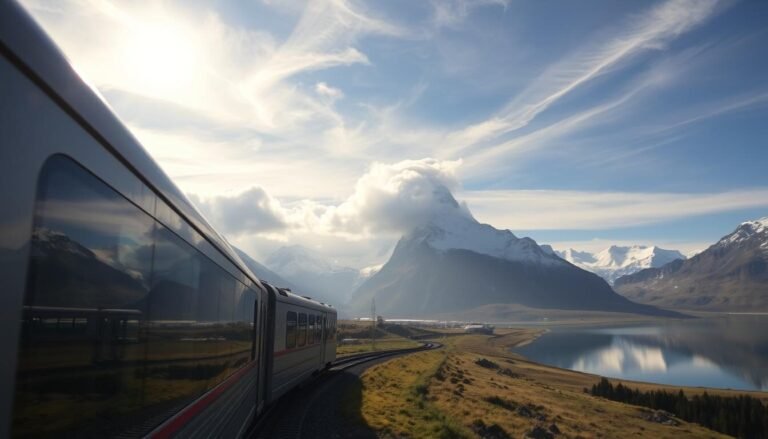
Swiss rails don’t just connect destinations—they redefine journeys. The country’s integrated network turns commutes into panoramic adventures, with 90% of routes offering mountain views worth framing. Let’s crack the code for stress-free movement across valleys and peaks.

Mastering Rail and Mountain Access
Download the SBB app before arrival. Store your payment details once, then tap through real-time schedules and ticket purchases. Funiculars and cable cars appear as options alongside trains—look for routes labeled “panoramic” for guaranteed jaw-dropping vistas.
Glacier Express riders get seven hours of Alpine drama between Zermatt and St. Moritz. Prefer quick hops? Regional trains to Lauterbrunnen run hourly, delivering you to waterfall hikes in under 30 minutes.
Smart Savings on Transport Costs
Supersaver tickets unlock discounts up to 70% when booked 60+ days early. These work best for fixed itineraries—you’ll pick specific departure times. Flexible explorers should consider multi-day passes covering trains, buses, and boats.
| Pass Type | Coverage | Best For |
|---|---|---|
| Swiss Travel Pass | Unlimited rides + museum entries | Multi-city trips |
| Regional Pass | Specific areas like Jungfrau | Mountain exploration |
| Half-Fare Card | 50% off all tickets | Budget travelers |
Morning and evening routes often have cheaper fares. Watch the app’s “Special Offers” section—last-minute deals pop up for less popular times. Remember: missed connections trigger automatic rebooking, so relax and enjoy the view.
Weather and Packing: Preparing for All Swiss Conditions
Alpine skies delight and surprise in equal measure. While seasons follow predictable patterns, altitude transforms rules faster than a cogwheel train climbs slopes. Smart packing turns weather whims into memorable adventures rather than inconveniences.

Seasonal Variations and What to Expect
Summer days often start with sunshine but bring afternoon thunderstorms. Temperatures can swing 30°F between valley floors and peaks. Always carry these essentials:
- Moisture-wicking base layers for active days
- Compact down jacket that stuffs into its pocket
- Waterproof shell with sealed seams
Microclimates mean neighboring valleys might have completely different forecasts. Check MeteoSwiss for hyperlocal updates—their app shows conditions for specific trails and elevations. If hiking, refresh forecasts every 3 hours.
August snow surprises many visitors. Pack gloves and thermal leggings even for summer mountain trips. Lakeside areas stay warmer, but sudden wind shifts create choppy waters. Boat tours sometimes cancel with little warning.
Dressing in layers solves most challenges. Start mornings with merino wool, shed midday, then add fleece as shadows lengthen. This approach lets you adapt without hauling bulky gear. Remember: cold nights follow hot days, especially above 6,500 feet.
With smart preparation, you’ll embrace every weather twist. Those fluffy clouds? They’re just the Alps keeping things interesting.
Budgeting and Money-Saving Strategies for Your Trip
Your alpine adventure doesn’t need to drain your wallet—smart tactics turn pricey stereotypes into affordable realities. Focus on experiences over extras, and watch costs shrink while memories grow.
Turning Expenses into Investments
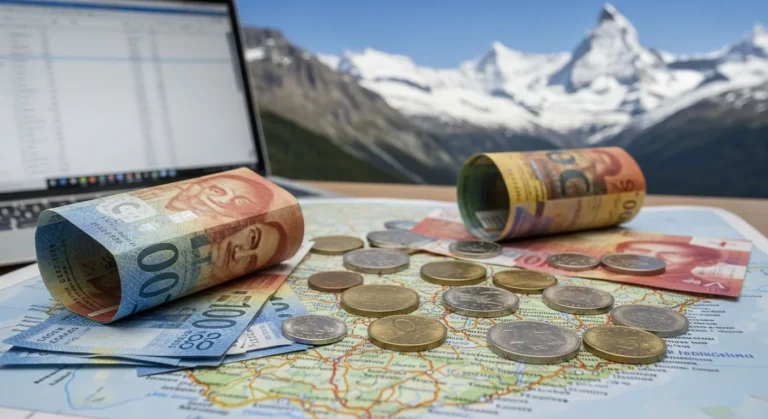
Claim back 8% VAT on purchases over 300 CHF using airport refund forms. Better yet: shop at tax-free stores or ship goods home to skip paperwork. This trick alone could save money for extra mountain excursions.
Skip bottled water entirely. Crystal-clear fountains dot every town, offering free hydration with better taste than most brands. Pair this with picnic lunches from bakeries to stretch your daily food budget 30% further.
Transport tickets become cheaper when bundled. Multi-day passes often cost less than three single rides. Time purchases for Tuesday afternoons—many systems release discounted fares then.
Remember: tipping stays optional. Round up bills for exceptional service, but keep that 10% for special moments. With these strategies, you’ll master the art of value without sacrificing wonder.
Explore More of Europe
Love European travel? See our 25 things to do in Paris and best time to visit Spain.
Frequently Asked Questions
Is the Swiss Travel Pass worth it?
Yes, if you plan 3+ train rides. A 4-day pass costs CHF 281 (2nd class) and covers unlimited trains, buses, boats, plus free museum entry. It pays for itself in 2-3 long rides.
How expensive is Switzerland per day?
Budget: CHF 100-150/day (hostels, supermarket meals). Mid-range: CHF 200-350/day. A restaurant meal costs CHF 25-45. Coffee: CHF 4-6. Switzerland is 40-60% pricier than neighboring France or Germany.
What is the best time to visit Switzerland?
June-September for hiking and lakes. December-March for skiing. September-October for fewer crowds and fall colors. Shoulder seasons save 20-30% on accommodation.
🧳 Plan Your Trip to Switzerland
This section contains affiliate links. If you book through them, we earn a small commission at no extra cost to you — it helps us keep creating free travel guides!
🏨 Find the best hotel deals in Switzerland — Compare prices across 100+ booking sites
→ Search Hotels in Switzerland
✈️ Compare cheap flights to Switzerland — Find the lowest fares from your city
→ Search Flights to Switzerland
Frequently Asked Questions
When is the best time to visit the destinations mentioned in "Switzerland Travel Tips & Insights 2025"?
The ideal time to visit depends on your preferences for weather and crowd levels. Generally, spring (April–June) and early autumn (September–October) offer the best balance of pleasant weather and fewer tourists.
How much should I budget for a trip related to "Switzerland Travel Tips & Insights 2025"?
Budget travelers can expect to spend $50–80 per day, while mid-range travelers typically budget $100–200 per day including accommodation, meals, and activities. Costs vary significantly by season and location.
Is it safe to travel to the places covered in this article?
The destinations featured in this article are generally considered safe for tourists. As with any travel, it is recommended to check your government's current travel advisories, purchase travel insurance, and take standard precautions.
What documents do I need for the trip described in "Switzerland Travel Tips & Insights 2025"?
Requirements vary by nationality and destination. Typically you will need a valid passport with at least 6 months validity, and potentially a visa depending on your country of origin. Always verify current entry requirements before booking.
What are the must-see attractions or experiences highlighted in this article?
The article covers the top highlights worth prioritizing on your itinerary. Focus on the experiences that align with your interests — whether cultural, culinary, or outdoor — to make the most of your visit.