Lucerne Travel Guide 2026: Lake, Mountains and Old Town Charm
TL;DR: Lucerne is Switzerland’s most photogenic lakeside city — a perfect mix of medieval Old Town charm, stunning Alpine panoramas, and world-class cultural attractions. Whether you’re visiting for a day trip from Zurich or spending 2-3 days exploring, this guide covers everything: top sights, transport tips, costs, and a ready-to-use itinerary for 2026.
Table of Contents
- Why Should You Visit Lucerne in 2026?
- How Many Days Do You Need in Lucerne?
- What Are the Best Things to Do in Lucerne?
- What Makes Lake Lucerne So Special?
- Which Mountains Should You Visit from Lucerne?
- What Can You See in Lucerne’s Old Town?
- Day-by-Day Lucerne Itinerary (1-3 Days)
- How Do You Get to Lucerne?
- How Much Does Lucerne Cost in 2026?
- When Is the Best Time to Visit Lucerne?
- Where Should You Stay in Lucerne?
- What Should You Eat in Lucerne?
- Insider Tips for Visiting Lucerne
- Frequently Asked Questions
Why Should You Visit Lucerne in 2026?
Lucerne is the single best place in Switzerland to experience lakes, mountains, and medieval history in one compact destination. Sitting at the northern tip of Lake Lucerne with the Swiss Alps rising dramatically behind it, this city of 82,000 residents consistently ranks among Europe’s most beautiful urban destinations.
According to Switzerland Tourism, the Lucerne-Lake Lucerne region welcomed over 8.2 million overnight stays in 2024, making it Central Switzerland’s most visited destination. The numbers keep climbing — the city saw a 12% increase in international visitors between 2023 and 2025, driven by its unbeatable combination of accessibility, scenery, and culture.
What sets Lucerne apart from other Swiss cities is how much you can do without a car. The Old Town, lake cruises, mountain railways, and world-class museums are all within walking distance or a short public transport ride. For travelers coming from Zurich, it’s just a 45-minute train ride — one of the best day trips from Zurich you can make.
In 2026, Lucerne has even more to offer. The KKL Luzern (Culture and Convention Centre) continues to host world-renowned concerts, and the city’s restaurant scene has expanded with several new lakeside dining options. Whether you’re a first-time visitor to Switzerland or returning for a deeper experience, Lucerne delivers.
How Many Days Do You Need in Lucerne?
Two full days is the sweet spot for most travelers visiting Lucerne. This gives you enough time to explore the Old Town, take a lake cruise, visit one mountain summit, and enjoy the city’s museums and restaurants without feeling rushed.
Here’s how to think about your time:
- 1 day (day trip): Enough for the Old Town, Chapel Bridge, Lion Monument, and a short lake cruise. Ideal if you’re based in Zurich — the Swiss Federal Railways (SBB) runs direct trains every 30 minutes, and the journey takes just 45-50 minutes.
- 2 days: Add a mountain excursion (Pilatus or Rigi) and a proper lake cruise to Brunnen or Flüelen. This is the most popular option.
- 3 days: Include a second mountain trip, the Swiss Transport Museum, and leisurely evenings exploring restaurants and lakeside promenades.
If you’re planning a broader Swiss itinerary, check our guide on the best places to visit in Switzerland to see how Lucerne fits into a larger trip.
What Are the Best Things to Do in Lucerne?
The top things to do in Lucerne center around three pillars: the medieval Old Town, the lake, and the surrounding mountains. Here’s every major attraction ranked by visitor satisfaction and unique experience value.
1. Walk Across Chapel Bridge (Kapellbrücke)
Chapel Bridge is Lucerne’s undisputed icon and Europe’s oldest covered wooden bridge, dating back to 1333. Stretching 204 meters across the Reuss River, it features 111 triangular paintings from the 17th century depicting scenes from Lucerne’s history. The octagonal Water Tower (Wasserturm) at its midpoint served as a prison, torture chamber, and treasury over the centuries. Admission is free and the bridge is accessible 24/7 — visit at dawn or dusk for the best photos.
2. Take a Lake Lucerne Cruise
Lake Lucerne (Vierwaldstättersee) is arguably Switzerland’s most dramatic lake, surrounded by mountains on all sides. The Lake Lucerne Navigation Company (SGV) operates year-round cruises ranging from 1-hour panoramic tours to 5.5-hour full-lake journeys. A round trip to Flüelen covers 38 kilometers of ever-changing Alpine scenery. Prices start at CHF 25 for short cruises. The Swiss Travel Pass covers all SGV boat trips at no extra cost — a major money-saver.
3. Ride Up Mount Pilatus
Mount Pilatus (2,128m) offers the most dramatic mountain experience near Lucerne. The “Golden Round Trip” is legendary: take a boat from Lucerne to Alpnachstad, ride the world’s steepest cogwheel railway (48% gradient — a Guinness World Record), enjoy the summit, then descend by panoramic gondola and aerial cableway to Kriens. The full circuit costs CHF 115.20 (2026 prices), or 50% off with a Swiss Travel Pass. The cogwheel railway operates from mid-May to mid-November.
4. Visit the Lion Monument (Löwendenkmal)
Mark Twain called it “the most mournful and moving piece of stone in the world.” Carved directly into a sandstone cliff face in 1820-21, the dying lion commemorates the Swiss Guards who fell during the French Revolution in 1792. The monument is free to visit and sits in a quiet park just 5 minutes from the Old Town. It remains one of the most photographed monuments in Switzerland, attracting over 1.4 million visitors annually according to Luzern Tourismus.
5. Explore the Swiss Transport Museum (Verkehrshaus)
Switzerland’s most-visited museum, with over 500,000 annual visitors, the Swiss Transport Museum covers trains, planes, automobiles, and space travel across a massive lakeside campus. Interactive exhibits, flight simulators, and a planetarium make it excellent for families. The Swiss Chocolate Adventure inside the museum is a bonus highlight. Adult admission is CHF 38 (2026); free with the Swiss Museum Pass.
6. Ascend Mount Rigi — The Queen of the Mountains
Mount Rigi (1,797m) offers 360-degree panoramic views across 13 lakes and the entire Alpine chain from Säntis to the Bernese Oberland. Europe’s first mountain railway opened here in 1871, and today you can reach the summit from Lucerne in about 90 minutes via boat and cogwheel train. Rigi is fully covered by the Swiss Travel Pass, making it the most budget-friendly mountain excursion from Lucerne.
7. Visit the Rosengart Collection
This intimate museum houses an extraordinary collection of over 300 works by Picasso, Klee, Monet, Cézanne, and other modern masters. The Picasso collection alone — 32 paintings and over 100 photographs by David Douglas Duncan — is one of the most important in Europe. Located in a former Swiss National Bank building on Pilatusstrasse, it’s a 3-minute walk from the train station. Admission is CHF 20.
What Makes Lake Lucerne So Special?
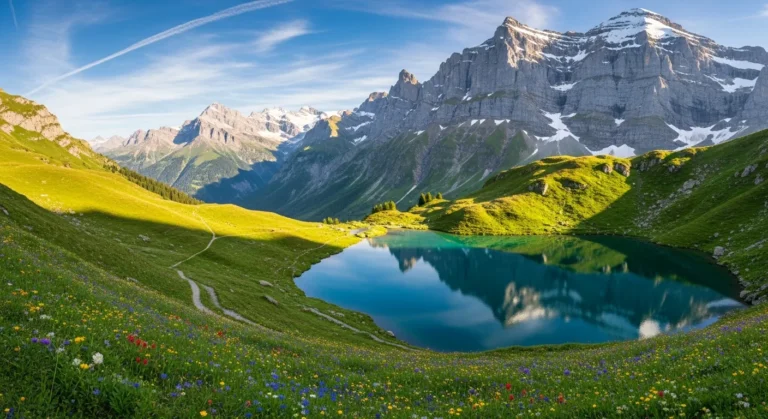
Lake Lucerne is Switzerland’s fourth-largest lake and by far its most scenic, thanks to a unique cross-shaped layout that creates constantly changing perspectives as you travel across it. The lake stretches 38 kilometers from Lucerne in the north to Flüelen in the south, with a surface area of 113.6 square kilometers.
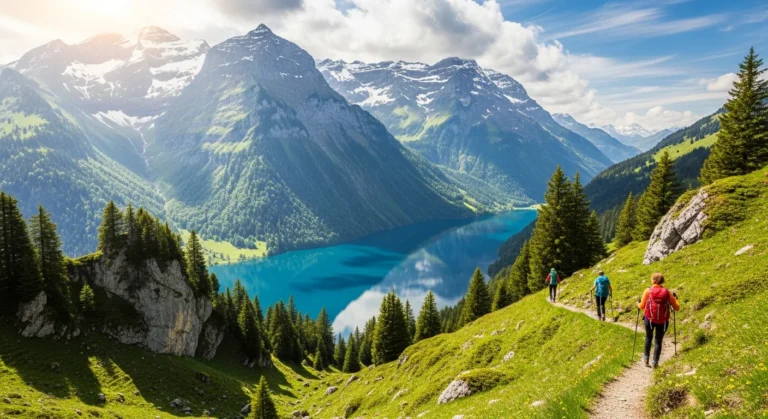
What makes it exceptional is the dramatic mountain backdrop. Unlike flatter Swiss lakes such as Lake Geneva, Lake Lucerne is surrounded by peaks reaching 2,000+ meters, creating fjord-like scenery more reminiscent of Norway than Central Europe. The Bürgenstock ridge, Rigi massif, and Pilatus all rise directly from the shoreline.
The lake also has deep historical significance. The Rütli Meadow on its southern shore is where the Swiss Confederation was founded in 1291 — it’s essentially Switzerland’s birthplace. You can visit this site by boat, and it remains a powerful national symbol.
For practical purposes, the lake functions as a transport network. SGV boats connect dozens of villages and mountain railway stations around the lake, meaning you can combine a scenic cruise with excursions to Pilatus, Rigi, Bürgenstock, or the Stoos funicular (with its world-record 110% gradient). This interconnectedness is what makes Lucerne such an efficient base for exploring Central Switzerland.
Which Mountains Should You Visit from Lucerne?
Lucerne is surrounded by three world-class mountain excursions, each offering a distinct experience. You should visit at least one during your stay — two if you have three days.
Mount Pilatus — Best for Adventure
The Golden Round Trip (boat + cogwheel railway up + gondola/cable car down) is a top-3 Swiss experience. Summit facilities include panoramic terraces, restaurants, and even a hotel for those who want to catch sunrise. The Dragon Ride gondola and cogwheel railway create a thrilling circuit. Budget CHF 115 and a full day. Check weather before going — clear days are essential.
Mount Rigi — Best for Budget Travelers
Fully covered by the Swiss Travel Pass (CHF 0 extra), Rigi offers hiking trails, winter sledding, and the famous Rigi Kaltbad mineral baths designed by architect Mario Botta. The summit panorama on a clear day covers a staggering 13 Swiss lakes. The cogwheel train from Vitznau is itself a heritage experience dating to 1871. Accessible year-round.
Stanserhorn — Best for Fewer Crowds
The CabriO — the world’s first open-top cable car — takes you to 1,898 meters with the wind in your hair and unobstructed views. Far fewer tourists than Pilatus or Rigi. The revolving restaurant at the summit serves excellent local cuisine. Round trip costs approximately CHF 78 from Stans (reachable from Lucerne in 15 minutes by train). Half-price with Swiss Travel Pass.
What Can You See in Lucerne’s Old Town?
Lucerne’s Old Town (Altstadt) is a compact, car-free medieval quarter that you can explore thoroughly in 2-3 hours on foot. It sits on both banks of the Reuss River where it exits Lake Lucerne, connected by historic covered bridges.
Key sights in the Old Town:
- Chapel Bridge & Water Tower: The city’s iconic covered wooden bridge (1333) — see above for details.
- Spreuer Bridge (Spreuerbrücke): A second medieval covered bridge dating to 1408, featuring 67 panels depicting the “Dance of Death” — haunting and fascinating.
- Musegg Wall & Towers: Nine medieval watchtowers stretch along the hillside above the Old Town. Three towers are open to the public from April to November. The Zyt Tower houses the city’s oldest clock (1535), which is granted the privilege of chiming one minute before all other city clocks.
- Weinmarkt (Wine Market Square): A stunning fountain square surrounded by painted frescoed buildings. Once the venue for medieval mystery plays, now home to cafes and the Pharmacy Museum.
- Kornmarkt & Town Hall: The Renaissance-era Town Hall (Rathaus), built in 1602-06 in Italian Renaissance style, sits at the heart of Lucerne’s commercial district.
- Jesuitenkirche: Switzerland’s first large Baroque church (1666-77), with an ornate interior featuring stunning ceiling frescoes. Free to enter.
The Old Town is also home to dozens of restaurants, chocolate shops, and watch boutiques. Hirschenplatz and Kapellplatz are the most atmospheric squares for sitting down with a coffee and soaking in the medieval setting.
Day-by-Day Lucerne Itinerary (1-3 Days)
Day 1: Old Town, Chapel Bridge & Lake Cruise
Morning (9:00-12:00): Start at the train station and walk directly onto Chapel Bridge. Cross to the Old Town side and explore Weinmarkt, Hirschenplatz, and the Spreuer Bridge. Walk up to the Musegg Wall — climb the towers for panoramic views over the city and lake.
Lunch (12:00-13:30): Eat at Wirtshaus Galliker (traditional Swiss cuisine, CHF 25-35 mains) or grab a bratwurst from a lakeside stand.
Afternoon (13:30-17:00): Visit the Lion Monument (15 minutes), then walk to the Glacier Garden (Gletschergarten) next door — a geological museum with Ice Age potholes and a mirror maze. At 15:00, take a 1-hour panoramic cruise on Lake Lucerne (departs from Pier 1 near the train station).
Evening: Stroll the lakeside promenade to the KKL concert hall. Dine at one of the lakeside restaurants on Schweizerhofquai with views of sunset over the mountains.
Day 2: Mount Pilatus Golden Round Trip
Full day (8:30-17:00): Take the boat from Lucerne to Alpnachstad (75 minutes of scenic lake cruising). Board the cogwheel railway to the summit of Pilatus (30 minutes). Spend 1.5-2 hours at the top exploring terraces and the Dragon Path. Descend via gondola to Fräkmüntegg (optional toboggan run here), then cable car to Kriens. Bus 1 returns you to Lucerne train station in 15 minutes.
Evening: Explore the right bank of the Old Town. Dine at Restaurant Fritschi (on Sternenplatz) for fondue with a view of the Reuss River and Chapel Bridge illuminated at night.
Day 3: Mount Rigi & Swiss Transport Museum
Morning (8:00-13:00): Take the boat to Vitznau, then the cogwheel train to Rigi Kulm summit. Hike the panoramic trail to Rigi Kaltbad (1 hour, easy grade). Optional: dip into the Rigi Kaltbad mineral baths (CHF 35). Take the cable car down to Weggis and the boat back to Lucerne.
Afternoon (14:00-17:00): Visit the Swiss Transport Museum on the lakeshore (bus 6 or 8 from the station, or a pleasant 20-minute walk along the lake). Don’t miss the Planetarium show and the Swiss Chocolate Adventure.
Evening: Final dinner in the Old Town. Try Rathaus Brauerei for locally brewed beer and hearty Swiss dishes.
How Do You Get to Lucerne?
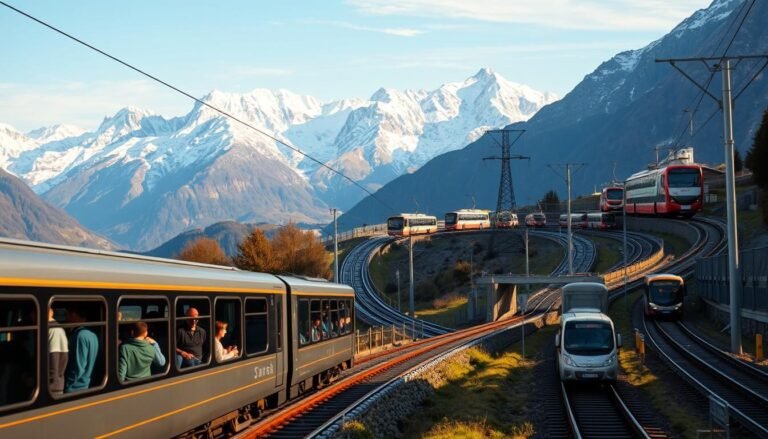
Lucerne is one of Switzerland’s best-connected cities by rail, sitting at the crossroads of several major train lines. The Swiss Federal Railways (SBB) makes reaching Lucerne straightforward from any direction.
- From Zurich: Direct trains every 30 minutes, 45-50 minutes. CHF 25 one-way (second class, 2026 prices). This is one of the top day trips from Zurich.
- From Zurich Airport: Direct train, approximately 1 hour 10 minutes. CHF 31.
- From Bern: Direct trains hourly, 1 hour. CHF 36.
- From Interlaken: Via the scenic Brünig Pass route, 1 hour 50 minutes, with stunning mountain views throughout. CHF 34.
- From Basel: Direct trains, 1 hour 5 minutes. CHF 35.
- From Geneva: Via Bern, approximately 2 hours 45 minutes. CHF 90.
The Lucerne train station is right in the city center, steps from the lake and Chapel Bridge. No taxi or bus needed — you can walk to most Old Town hotels in under 10 minutes.
If you’re making multiple trips by train, the Swiss Travel Pass pays for itself quickly in the Lucerne region, especially since it covers lake cruises and mountain railways (Rigi fully, Pilatus at 50% discount). Read our detailed breakdown on traveling Switzerland on a budget for more savings strategies.
How Much Does Lucerne Cost in 2026?
Lucerne is expensive by global standards but average for Switzerland. According to the Swiss Federal Statistical Office, Central Switzerland’s price index is approximately 3% below the Zurich average, making Lucerne slightly more affordable than the largest Swiss city.
Here’s a realistic daily budget breakdown for 2026:
Budget Traveler: CHF 120-160/day
- Hostel bed: CHF 40-55
- Meals (bakery breakfast, kebab/takeaway lunch, casual dinner): CHF 35-50
- Transport (day pass): CHF 12.80
- One activity: CHF 20-40
Mid-Range Traveler: CHF 250-350/day
- 3-star hotel: CHF 150-200
- Restaurant meals: CHF 60-80
- Transport + mountain excursion: CHF 50-80
Comfort Traveler: CHF 500+/day
- 4-5 star lakeside hotel: CHF 300-600
- Fine dining: CHF 100-150
- Private tours and premium experiences: CHF 100+
Money-saving tips: The Visitor Card (Gästekarte), given free by most Lucerne hotels, provides discounts on attractions and free use of city buses in Zone 10. Combine this with the Swiss Travel Pass for maximum savings. For detailed budget strategies, see our Switzerland budget guide.
When Is the Best Time to Visit Lucerne?
June through September is the best time to visit Lucerne, with July and August offering the warmest weather and full access to all mountain railways and lake cruises. However, each season has its appeal.
- Summer (June-September): Average highs of 22-25°C. All mountain railways operational. Lake swimming is popular (water reaches 20-22°C in August). Busiest tourist season — book accommodation early. The Lucerne Festival (mid-August to mid-September) draws classical music lovers worldwide.
- Autumn (October-November): Gorgeous foliage around the lake. Fewer crowds. Cogwheel railway to Pilatus closes mid-November. Temperatures 8-15°C.
- Winter (December-February): Christmas markets in December are magical. Mount Rigi offers sledding and winter hiking. Lake cruises run year-round on reduced schedules. Temperatures hover around 0-5°C.
- Spring (March-May): Wildflowers bloom on Rigi and surrounding meadows. Pilatus cogwheel reopens mid-May. Pleasant temperatures of 10-18°C with fewer tourists than summer.
According to MeteoSwiss data, Lucerne averages 1,230 hours of sunshine annually with approximately 140 rainy days per year, so always bring a rain layer regardless of season.
Where Should You Stay in Lucerne?
The best area to stay is the Old Town or along the lakefront near the train station. Both put you within walking distance of all major attractions, boat piers, and restaurants.
Top recommendations by budget:
- Budget: Luzern Youth Hostel (CHF 40-55/bed, lakeside location, stunning views). Backpackers Lucerne (CHF 35-45/bed, central Old Town).
- Mid-range: Hotel des Alpes (CHF 180-250/night, directly on the Reuss with Chapel Bridge views). Ibis Styles Luzern City (CHF 150-190/night, modern, near station).
- Luxury: Hotel Schweizerhof (CHF 400-700/night, legendary 5-star on the lake since 1845). Bürgenstock Resort (CHF 600+/night, clifftop resort above the lake, accessible by private funicular).
Book as early as possible for summer visits and during the Lucerne Festival period. Use hotel comparison platforms to find the best rates — prices can vary significantly between booking channels.
What Should You Eat in Lucerne?
Lucerne’s food scene blends traditional Central Swiss cuisine with modern lakeside dining. The canton of Lucerne has its own culinary traditions distinct from other regions.
- Luzerner Chügelipastete: Lucerne’s signature dish — a puff pastry vol-au-vent filled with veal, mushrooms, and raisins in a creamy sauce. Available at most traditional restaurants, especially Wirtshaus Galliker.
- Cheese fondue: A Swiss essential. Try Restaurant Fritschi or Stadtkeller for the classic experience. Expect to pay CHF 28-35 per person.
- Älplermagronen: Alpine mac and cheese with potatoes, cream, and applesauce on the side. Best sampled on mountain restaurants atop Pilatus or Rigi.
- Fresh lake fish: Egli (perch) from Lake Lucerne is a local delicacy, typically pan-fried and served with tartar sauce and fries. Available at lakeside restaurants.
- Chocolate: Visit Bachmann (local chocolatier since 1897) on Schwanenplatz for handmade pralines and the famous Luzerner Rägebogeli (rainbow biscuits).
For a splurge, Restaurant Jasper at Hotel Schweizerhof holds a Michelin star and offers innovative Swiss fine dining with lake views.
Insider Tips for Visiting Lucerne
- Visit Chapel Bridge at 7:00 AM: You’ll have it almost entirely to yourself. By 10:00, it’s packed with tour groups.
- Buy the Tell-Pass: If staying 2-5 days, the Tell-Pass (CHF 210 for 2 days in 2026) covers all boats, mountain railways, and buses in the region — better value than individual tickets if you’re doing 2+ excursions.
- Lake swimming is free: The Lido Luzern (CHF 8 entry) has a beach, but you can swim for free at dozens of spots along the lake promenade, especially near the Verkehrshaus.
- Wednesday and Saturday markets: The Lucerne market along the Reuss riverbanks is one of Switzerland’s best. Local cheeses, flowers, crafts, and street food.
- Check mountain webcams before going: Both Pilatus and Rigi have live webcams. A cloudy summit ruins the experience — adjust your itinerary to match the best weather day.
- The Lucerne Card is NOT worth it for short stays: The Visitor Card you get free from your hotel is sufficient for most travelers.
- Use the SBB Mobile app: Buy all train and boat tickets digitally. It’s cheaper than buying at the counter and you can check real-time schedules.
Frequently Asked Questions
Is Lucerne worth visiting?
Absolutely. Lucerne consistently ranks among Switzerland’s top 3 tourist destinations alongside Zurich and Interlaken. Its combination of a medieval Old Town, stunning lake, and easy mountain access makes it one of the most rewarding places in Europe. With over 8 million overnight stays annually in the region, it’s clearly a destination that delivers on expectations.
Can you do Lucerne as a day trip from Zurich?
Yes, and it’s one of the best day trips you can make. The train takes just 45 minutes from Zurich HB, and you can comfortably see the Old Town, Chapel Bridge, Lion Monument, and take a short lake cruise in a single day. For mountain excursions, consider staying overnight to avoid rushing.
Is the Swiss Travel Pass worth it for Lucerne?
If you’re spending 2+ days and plan at least one mountain excursion, the Swiss Travel Pass almost always pays for itself. It covers all trains to Lucerne, all lake boats, the full Rigi excursion, 50% off Pilatus, and free museum entry. Read our detailed Swiss Travel Pass analysis for the full breakdown.
What is the best mountain to visit from Lucerne?
Mount Pilatus for the full experience (Golden Round Trip with cogwheel railway and gondola), Mount Rigi for budget travelers (free with Swiss Travel Pass), or Stanserhorn for fewer crowds (open-top CabriO cable car). If you only have time for one, choose Pilatus — the world’s steepest cogwheel railway is a once-in-a-lifetime experience.
Is Lucerne expensive?
Lucerne is expensive by global standards but slightly below Zurich prices. Budget travelers can manage on CHF 120-160/day with hostels and casual dining. The biggest costs are mountain excursions (CHF 70-115 each) and accommodation. The Swiss Travel Pass and hotel Visitor Card significantly reduce activity costs.
Sources
- Switzerland Tourism — Regional overnight stay statistics 2024
- Swiss Federal Railways (SBB) — Timetables and pricing 2026
- Lake Lucerne Navigation Company (SGV) — Cruise schedules and routes
- Luzern Tourismus — Visitor data and attraction statistics
- Swiss Federal Statistical Office — Regional price index comparisons
- MeteoSwiss — Lucerne climate data and sunshine hours
- Pilatus Bahnen AG — Cogwheel railway specifications and pricing
About the Author
Thomas Weber is a Switzerland travel specialist who has lived in Central Switzerland for over 15 years. A certified Swiss tourism professional and hiking guide, Thomas has personally explored every mountain railway, lake cruise, and hiking trail mentioned in this guide. He writes for Switzerland Vibe to help international visitors experience Switzerland like a local. Connect with Thomas on the Switzerland Vibe team page.