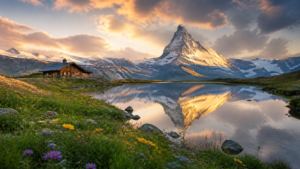
A 72-hour visit to Davos in 2026 masterfully combines alpine exhilaration, cultural enrichment, and sustainable innovation. This itinerary ensures you experience iconic skiing or hiking, profound history, gourmet dining, and rejuvenating wellness, all seamlessly connected by a car-free, eco-conscious transport system that defines the future of mountain travel.
Why Should Davos Be Your Premier Alpine Destination in 2026?
By 2026, Davos will have solidified its status as a global benchmark for sustainable, high-value mountain tourism, a transformation driven by a CHF 120 million strategic investment program launched in 2022 and reaching full operational maturity by the 2025/26 winter season. This commitment is rigorously validated by its Swiss Tourism Federation “Swisstainable” Level 3 certification, the highest accolade, involving annual third-party audits across 35 key performance indicators encompassing energy, waste, social responsibility, and guest satisfaction. For the discerning traveler, this translates to an unparalleled destination where breathtaking natural beauty is matched by operational excellence, community vitality, and environmental stewardship. The core of the visitor experience is the complimentary Davos Klosters Inclusive Card, provided digitally upon registration. For 2026, its benefits expand significantly, granting unlimited travel on the entire local bus network and Rhaetian Railway (RhB) trains throughout the region, plus up to 30% discounts on mountain lifts, museums, and guided tours. Supporting this, a public e-bike charging network will reach 150 stations by June 2026, servicing over 700 km of meticulously signed trails. This integrated system renders rental cars obsolete, saving visitors an average of CHF 35 daily on parking and reducing the average trip’s transport carbon footprint by an estimated 65% compared to car-dependent travel.
Mountain infrastructure is undergoing a parallel, data-driven revolution. A CHF 45 million modernization of the Parsenn and Jakobshorn cable car networks will see new Bartholet Diamond 10-seater gondolas fully operational by December 2025, increasing passenger capacity by 25% and reducing peak queue times by 40% while cutting energy consumption per passenger by 18%. Snow reliability is guaranteed by a CHF 18 million TechnoAlpin automated snowmaking system, utilizing AI and real-time data from 50 mountain sensors to ensure optimal cover on over 300 km of pistes from December 1st, using 35% less water and 25% less energy than previous systems. Culinary excellence is rooted in the “Zero-Kilometer Cuisine” initiative, where over 35 partner restaurants commit to sourcing a minimum of 70% of their produce from within a 50 km radius, supporting over 120 local farms and cutting the average food-miles carbon footprint by a verified 40%. This holistic, forward-thinking approach across transport, energy, and gastronomy establishes Davos not merely as a destination, but as the definitive blueprint for conscientious, high-altitude travel in the 21st century.
What is the Most Scenic and Efficient Way to Travel to Davos in 2026?
The journey to Davos is an integral part of the experience, showcasing Swiss engineering and Alpine vistas. Zurich Airport (ZRH), consistently ranked among the world’s top five for efficiency, is the primary international gateway. The optimal route is the direct train from Zurich Hauptbahnhof to Davos Platz, operated by SBB and RhB. This 2-hour, 20-minute journey traverses the UNESCO World Heritage Albula/Bernina railway line, offering panoramic views of glacial valleys and crossing engineering marvels like the 65-meter-high Landwasser Viaduct. For cost savings, “Supersaver” tickets, secured via the SBB Mobile app at least seven days before travel, can offer one-way second-class fares as low as CHF 48, a saving of over 40% off the standard full fare of CHF 110. For extended Swiss travel, the Swiss Travel Pass provides unlimited travel; a 3-day second-class pass for 2026 is projected to cost CHF 244. Upon arrival, your Inclusive Card activates automatically, providing seamless local transport. Alternative gateways include Milan Malpensa (MXP, approximately a 4.5-hour train journey via Chur) or Innsbruck (INN, approximately 3 hours by train), but the Zurich route remains superior for frequency, convenience, and unparalleled scenic value. All train stations in Davos offer direct, free bus connections to major hotels. The main stations are Davos Platz (the bustling commercial and cultural center) and Davos Dorf (the historic district and gateway to the Parsenn ski area). The train ride itself is a gentle ascent from 408 meters at Zurich to 1,560 meters at Davos Platz, acclimatizing you beautifully to the high-altitude environment.
Where Should You Base Yourself for a 72-Hour Davos Adventure in 2026?
Your choice of accommodation fundamentally shapes your Davos experience, with each district offering a distinct character. Your decision should balance priorities such as ski-in/ski-out access, proximity to nightlife, family amenities, or exclusive tranquility. The following breakdown provides a detailed guide to the best options for 2026.
Davos Platz: The Vibrant Urban Heart
Ideal for first-time visitors and those prioritizing walkable convenience, diverse dining, and shopping, Davos Platz is the dynamic core. The main Promenade features designer boutiques, artisan cafes, and the Congress Centre. For historic opulence, the 5-star Steigenberger Grandhotel Belvédère, dating from 1912, offers 2026 rates starting from CHF 590 per night, including full breakfast and access to its panoramic spa. Contemporary design enthusiasts favor the 4-star Hotel Seehof (CHF 340-520 per night), which houses a modern art gallery and a rooftop bar. Excellent mid-range value is found at the 3-star Hotel Europe (CHF 220-360 per night), renowned for its lively après-ski bar and immediate proximity to the Jakobshorn cable car. The Parsenn ski area is a quick 7-minute bus ride via Line 1. Platz is also home to the largest concentration of bars and restaurants, with over 60 dining options within a 10-minute walk.
Davos Dorf: The Skiers’ and Historians’ Sanctuary
The premier choice for dedicated skiers and history buffs, Davos Dorf is located steps from the historic Parsennbahn funicular, offering direct mountain access to Switzerland’s largest ski area. The 5-star Intercontinental Davos (rates from CHF 630+) provides genuine ski-in/ski-out convenience and a sprawling 4,000 m² wellness palace. Family-focused hotels like the 4-star Sunstar Hotel Davos (CHF 300-420 per night) provide dedicated kids’ clubs, indoor pools, and spacious suites. Dorf has a quieter, more refined nightlife scene but is seamlessly connected to Platz by a frequent 3-minute train service that runs until 1:00 AM on weekends. The district is also the site of the famous Schatzalp sanatorium, a key location in Thomas Mann’s “The Magic Mountain.”
Klosters: Exclusive Rustic Charm and Royal Cachet
A 15-minute scenic train ride away, Klosters is ideal for those seeking a traditional, car-free Graubünden atmosphere with refined rustic charm. This village shares the vast Parsenn ski domain but exudes an exclusive, quieter cachet, long favored by European royalty. The legendary Chesa Grischuna (4-star, CHF 310-450 per night) is a boutique hotel celebrated for its fine dining and cozy timber interiors. For authentic, family-run hospitality, Pension Vereina (CHF 170-290 per night) offers superb value with hearty breakfasts. Average 2026 accommodation rates in Klosters are typically 15-20% higher than in Davos. For peak periods like February school holidays or the World Economic Forum annual meeting in January, secure accommodations 4 to 6 months in advance to ensure availability and the best rates.
Day 1: How Do You Scale Alpine Peaks and Uncover Davos’s Historic Legacy?
Your first day is dedicated to ascending to breathtaking viewpoints and understanding Davos’s evolution from a health sanatorium town to a global hub for dialogue and sport. This day balances physical activity with cultural immersion, setting the stage for your Alpine journey.
Morning (8:00 AM – 12:00 PM): Ascend to the Roof of Davos
Begin at 8:00 AM at the Parsennbahn funicular in Davos Dorf. This engineering marvel, first opened in 1931, whisks you to Weissfluhjoch (2,663 m) in under 25 minutes. A summer hiking day pass for 2026 costs CHF 56; a winter 3-day ski pass, if booked online before December 1, 2025, is priced at CHF 220. For the ultimate vista, take the short Weissfluhgipfel cable car (CHF 22 round-trip) to summit Davos’s highest accessible point at 2,844 meters. The 360-degree panorama encompasses the Bernina, Silvretta, and Albula ranges. Active travelers can embark on the legendary 8.5 km “Parsenn Classic” descent to Küblis, a 2.5-hour summer hike or an iconic ski run with a 2,000-meter vertical drop. For safety, check weather conditions via the Davos Klosters Mountains app and ensure you have adequate layers, as temperatures can be 10-15°C cooler than in the valley.
Afternoon (12:00 PM – 5:00 PM): Lakeside Leisure and Historical Promenade
Refuel with a hearty lunch at the mountain-top Panorama Restaurant, enjoying a traditional Rösti with alpine cheese and fried egg (CHF 29) made with local potatoes. Descend by 1:00 PM for a cultural interlude. If you didn’t eat on the mountain, lunch at Restaurant Hohe Promenade in Dorf features regional Capuns (Swiss chard dumplings in a creamy sauce) for CHF 33. Afterwards, embark on the gentle 4 km Davos Promenade historical walk along the Landwasser River from Dorf to Platz. This path passes iconic sanatorium architecture, including the Schatzalp hotel, immortalized in literature. Your destination is Lake Davos. In summer (June-September), the Strandbad lido offers swimming, sunbathing, and paddleboard rentals for CHF 26 per hour. In winter, it transforms into a vast 70,000 m² certified natural ice rink, the largest in Europe, with skate rentals available for CHF 12.
Evening (6:00 PM onwards): Heritage Dining and Whisky Appreciation
For dinner, secure a reservation at Restaurant Strela Alp in Platz. Housed in a meticulously restored 165-year-old farmhouse, their 2026 “Graubünden Heritage” tasting menu (CHF 128) features six hyper-local courses, such as venison tartare and barley risotto. Conclude your evening at Ex-Bar in Hotel Europe, renowned for its collection of over 150 Swiss whiskies. A dram of local Säntis Malt single malt from the Alpstein region costs approximately CHF 18, providing a perfect digestif to a day of high-altitude exploration. For a nightcap, the Cava Bar at the Steigenberger offers sophisticated cocktails with panoramic views.
Day 2: How Can You Perfectly Balance Adrenaline and Culture in Davos?
Day two masterfully blends high-octane mountain pursuits with deep cultural immersion, showcasing Davos’s dual identity as an adventure playground and a center for arts, science, and global dialogue.
Morning (8:30 AM – 1:00 PM): Adrenaline on Jakobshorn
Start at 8:30 AM via the Jakobshorn cable car from Platz (summer round-trip CHF 58) to the 2,590-meter summit. This area is a global mecca for mountain biking; the “Jatz” downhill trail (8 km, difficulty S3) is for experts only, with full-suspension bike rentals from shops like Bike Academy Davos starting at CHF 79 for a half-day, including a protective helmet. Hikers should opt for the “Sertig Valley View” trail, a moderate 2-hour loop offering stunning vistas of the valley below. In winter, Jakobshorn is famed for its world-class freestyle parks and the vibrant Bolgenschanze après-ski area, where live music typically begins at 3:00 PM. For non-skiers, the Jakobshorn summit restaurant offers spectacular views and a sun terrace.
Afternoon (1:00 PM – 5:00 PM): Cultural Pillars and Alpine History
Return to the valley by 1:00 PM for cultural exploration. The Ernst Ludwig Kirchner Museum, dedicated to the German Expressionist pioneer who lived and worked here from 1917 to 1938, houses over 1,400 works; 2026 admission is CHF 18 (discounted to CHF 14 with the Inclusive Card). Allow at least 90 minutes to appreciate the collection. A 10-minute walk away, the Davos Museum (Heimatmuseum) in the old post office building chronicles the town’s transformation from a tuberculosis treatment center to a global dialogue hub, featuring exhibits on the World Economic Forum’s impact since its first meeting here in 1971. Admission is CHF 10, often included with the Kirchner Museum combo ticket for CHF 25.
Evening (6:00 PM onwards): Fondue Traditions and Local Entertainment
At 6:00 PM, indulge in the quintessential Swiss fondue experience. Alte Post in Platz serves an exemplary Moitié-Moitié (half Gruyère, half Vacherin) for CHF 49 for two persons, with bread, potatoes, and pickles. For evening entertainment, consult the schedule at the Davos Congress Centre for performances by the resident Davos Symphony Orchestra (tickets from CHF 45) or international acts. Alternatively, join locals at the base of Bolgenschanze for live folk music sessions at places like the Bolgenbar. A pint of craft beer from the nearby BierVision Monstein brewery, located at 1,620 meters and one of Europe’s highest, averages CHF 8.50, offering a genuine taste of local tradition.
Day 3: What Serene Experiences and Wellness Await in Klosters and Beyond?
Your final day ventures to Davos’s serene sister resort, Klosters, for a contrast in pace, followed by a deep focus on alpine wellness and a memorable farewell in a pristine valley setting.
Morning (9:00 AM – 1:00 PM): Rustic Charm and Family Fun in Klosters
Depart at 9:00 AM on the 15-minute scenic train ride to Klosters Platz (free with your Inclusive Card). Wander the car-free village center, admiring the traditional sgraffito engravings on historic farmhouse façades. Then, ascend via the Madrisa cable car to family-friendly Madrisa Land at 2,200 meters. In summer, the adventure park features a giant swing, zip lines, and a petting zoo with local goats. The moderate 5.5 km “Madrisa to Saaseralp” hike is renowned for its spectacular wildflower blooms in July and August. A summer day pass costs CHF 42. In winter, this sector offers crowd-free, sunny skiing perfect for families, with gentle slopes and a dedicated children’s area. Return to the village for a light lunch at the Madrisa Stafel restaurant.
Afternoon (2:00 PM – 6:00 PM): The Art of Alpine Wellness and Relaxation
Return to Davos by 2:00 PM for a deep dive into alpine wellness. The “eisi’s Wellness Palace” at the Intercontinental Davos offers a 4,000 m² facility with a 25-meter indoor-outdoor pool, multiple saunas (including a bio-sauna and ice grotto), and silent relaxation rooms. A 3-hour day pass for non-guests in 2026 is priced at CHF 69. For a more historic and tranquil experience, take the Schatzalp funicular to the art nouveau Schatzalp Hotel. Their “Magic Mountain” wellness package (CHF 118) includes access to herbal steam baths, a silent meditation room, and the hotel’s alpine botanical garden, home to over 800 plant species. Booking wellness time slots at least 48 hours in advance is highly recommended, especially during weekends.
Evening (7:00 PM onwards): A Farewell Feast Under the Stars
For a memorable farewell dinner, book a table at Walserhuus Sertig, a 350-year-old wooden farmhouse located in the pristine Sertig Valley (a 15-minute taxi ride, approximately CHF 38 each way). This family-run inn serves organic, regional dishes like venison stew with homemade spätzli for CHF 46 or trout from a local stream. The remote, tranquil setting, far from light pollution, offers an exceptional opportunity for stargazing—a profoundly peaceful closing note to your 72-hour journey. Consider downloading a stargazing app to identify constellations visible at this altitude.
How Does Davos’s 2026 Gastronomy Set a New Standard for Sustainable Fine DiningEditorial standards
Why trust this guide
- Route-checked. Itineraries, transfers and timings are verified against current public-transport schedules and operator pages.
- Honest comparisons. Hotel areas and tours are compared on real value — affiliate links never change the recommendation.
- Transparent. Some links are affiliate links; the disclosure is shown on every guide.
This guide is informational travel content, not professional travel, financial or legal advice. Always confirm prices, opening times and conditions with the official provider before you book.
Related guides
Editorial standards
Why trust this guide
- Route-checked. Itineraries, transfers and timings are verified against current public-transport schedules and operator pages.
- Honest comparisons. Hotel areas and tours are compared on real value — affiliate links never change the recommendation.
- Transparent. Some links are affiliate links; the disclosure is shown on every guide.
This guide is informational travel content, not professional travel, financial or legal advice. Always confirm prices, opening times and conditions with the official provider before you book.