title: “Ticino Switzerland Travel Guide: Hidden Italian Switzerland”
slug: “ticino-switzerland-travel-guide”
domain: “switzerlandvibe.com”
primary_keyword: “ticino switzerland travel guide”
date: 2026-08-08
word_count: 2810
status: draft
description: “Complete ticino switzerland travel guide: Lugano, Locarno, Bellinzona UNESCO castles, lake swimming, Italian cuisine, and how to get there from Zurich or Geneva.”
author: “Anna Berger”
schema:
– Article
– FAQPage
– Author
Disclosure: This article contains affiliate links. If you book through our links, we may earn a commission at no extra cost to you. We only recommend services we consider genuinely useful for travellers to Ticino.
Ticino Switzerland Travel Guide: Hidden Italian Switzerland
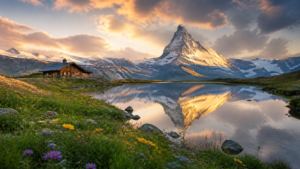
Ticino is the only Swiss canton where Italian is the official language, and that fact shapes everything: the architecture, the food, the pace, and the light. Palm trees line the lakefronts. Espresso costs less than in Zurich. The Alps stand directly behind you while the Mediterranean feels within reach.
Most visitors to Switzerland spend their entire trip north of Lucerne. They miss this entirely. This guide covers what Ticino is, how to get there, where to stay, what to do, and how to spend your time without wasting a day.
What Makes Ticino Different from the Rest of Switzerland
The short answer: everything south of the St. Gotthard Pass behaves like Italy.
Ticino borders Italy on three sides and sits at a lower elevation than the alpine cantons to the north. The climate is measurably warmer (the canton records over 2,200 hours of sunshine annually, more than any other Swiss region, according to Switzerland Tourism. Locals call it the “Sunroom of Switzerland.”
The architecture follows Italian tradition: terracotta rooftops, arcaded piazzas, baroque churches with frescoed interiors. The food moves away from cheese fondue toward risotto, polenta, and ossobuco. Wine comes from local Merlot vines that produce surprisingly good bottles, especially around Lugano and Mendrisio.
None of this means Ticino is a budget destination. Swiss prices apply across the board. But the character is distinct enough that experienced travellers treat it as a separate journey entirely.
Where Is Ticino? Getting There from Zurich and Geneva
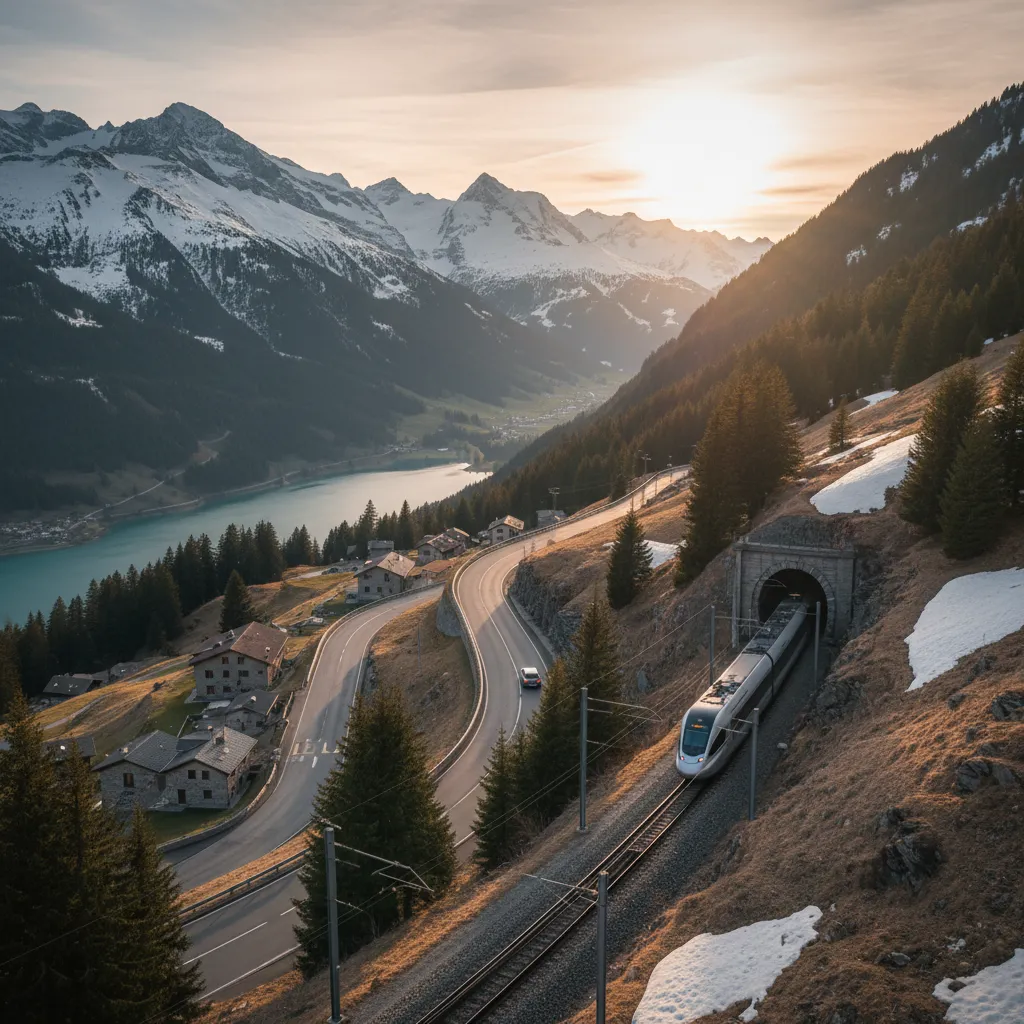
Ticino sits in the southernmost tip of Switzerland, connected to the rest of the country through the St. Gotthard mountain corridor.
From Zurich
The direct train from Zurich HB to Lugano takes approximately 2 hours and 15 minutes on the IC (InterCity) service via the Gotthard Base Tunnel, the world’s longest rail tunnel at 57 km. SBB runs multiple departures per hour during peak travel times. A one-way ticket costs approximately CHF 48 in standard class; Swiss Pass holders travel free.
Train tickets for specific dates can be booked in advance through Trip.com, which often lists promotional rail fares alongside hotel combinations.
From Geneva
Geneva to Lugano runs approximately 3 hours 30 minutes by direct IC service, changing at Zurich or Arth-Goldau depending on the schedule. Fares start around CHF 72 one-way. Check SBB for current timetables.
From Milan
Lugano is 60 minutes from Milan Centrale by direct train. This makes Ticino an unusually good entry point for travellers who fly into Malpensa or Linate.
By Car
The A2 motorway connects Zurich to Lugano through the Gotthard Road Tunnel. Driving time is approximately 2 hours 30 minutes in normal traffic. A Swiss motorway vignette (CHF 40 per year) is required.
Lugano: The Cosmopolitan Heart of Ticino
Lugano is Ticino’s largest city and its financial and cultural centre. It sits on Lake Lugano, surrounded by Monte San Salvatore to the south and Monte Brè to the east. The city has the infrastructure of a Swiss banking hub and the street life of a northern Italian town.
Top Things to Do in Lugano
Piazza della Riforma is the main square, flanked by the neoclassical Palazzo Civico. Sit at a café, order an espresso, and watch the city operate before the tourist day begins. The market runs here on Tuesday and Friday mornings.
Monte San Salvatore offers the best panoramic view of Lake Lugano and the surrounding alps. The funicular departs from Paradiso, a 10-minute walk south of the city centre, and takes 12 minutes to the summit. Return ticket costs approximately CHF 28. The view from the terrace covers the full sweep of the lake and, on clear days, extends south into Italy.
Monte Brè on the eastern edge of Lugano provides a different angle: the full lake visible below, the city compact in the foreground. The funicular runs from the Cassarate district. Combined with the lakeside trail, it makes a half-day excursion.
Parco Ciani runs along the lakefront east of the city centre and offers free access, shaded walking paths, and direct lake views. The rose garden blooms from May through October.
Santa Maria degli Angeli, a 16th-century church near the ferry terminal, contains a fresco cycle by Bernardino Luini considered one of the finest Renaissance works in Switzerland. Entry is free.
MASI Lugano (Museum of Art of Lugano) presents temporary exhibitions in the Palazzo Reali and the LAC cultural complex. The permanent collection includes 20th-century Swiss and Italian works. Entry runs approximately CHF 15.
Where to Stay in Lugano
Lugano has accommodation at every price point, from boutique hotels on the lakefront to business hotels a few minutes from the centre.
For hotel bookings in Lugano, Booking.com offers the widest selection of verified properties with flexible cancellation options. The lakefront hotels (Paradiso and Lugano Centro districts) fill quickly in July and August; booking two to three weeks in advance is advisable.
Best areas to stay:
- Lugano Centro: Walking distance to Piazza della Riforma, the ferry terminal, and the main shopping streets. Best for first visits.
- Paradiso: Quieter residential district, access to the Monte San Salvatore funicular, slightly lower prices.
- Castagnola: Upscale eastern shore, villas and boutique properties, requires bus or car for city access.
Price range to expect (per night, double room, mid-season):
– Mid-range hotels: CHF 140 to CHF 220
– Boutique lakefront properties: CHF 250 to CHF 400
– Budget pensions (away from waterfront): CHF 90 to CHF 140
Search current availability on Booking.com before dates shift pricing.
Where to Eat in Lugano
Grotto Ticinese restaurants are a regional institution: stone-walled, shaded by vines, serving local polenta, risotto, and roasted meats. Look for “grotto” in the name as a reliable indicator of traditional cooking. Expect to spend CHF 30 to CHF 50 for a full meal with wine.
La Tinèra near the old town serves traditional Ticinese dishes in a rustic setting. The polenta con brasato (slow-braised beef on polenta) is worth ordering.
For a simpler lunch, the covered market hall near Piazza della Riforma has local produce, cheese, and prepared food at lower prices than restaurants.
Locarno and Ascona: Lake Maggiore’s Northern Shore

Locarno sits at the northern tip of Lake Maggiore, 30 minutes northwest of Lugano by train or car. It is warmer and more relaxed than Lugano, and considerably smaller.
Locarno
Piazza Grande is Locarno’s centre: a large open square that fills with café tables in summer and becomes Europe’s largest open-air cinema screen each August during the Locarno Film Festival. The festival runs for ten days in early August and draws filmmakers, critics, and audiences from across Europe. The Golden Leopard is awarded to the best film in competition. Screenings in Piazza Grande seat up to 8,000 people under the stars.
Madonna del Sasso is a pilgrimage sanctuary perched above the old town, reachable by funicular (approximately CHF 8 return) or on foot via a steep cobbled path. The baroque church dates to the 15th century and the views over Lake Maggiore are worth the ascent regardless of faith.
Lido Locarno on the lakefront provides beach access, a public pool, and sailing rentals. Admission runs approximately CHF 8 for adults.
Valle Verzasca, 20 minutes north of Locarno by car, is one of the most spectacular valleys in Ticino: a narrow gorge with turquoise river water, ancient stone bridges, and small villages that seem unchanged since the 1800s. The Verzasca Dam is also the site of the world’s highest commercial bungee jump, made famous by a James Bond film opening sequence. AJ Hackett operates the bungee jump at the Verzasca Dam; check current pricing and booking at their official site.
For tours of Valle Verzasca and boat excursions on Lake Maggiore, GetYourGuide lists verified operators with confirmed departure times, which is useful when you have limited days.
Ascona
Five minutes south of Locarno by bus, Ascona is one of the most visually striking towns in Switzerland. The lakefront promenade is entirely pedestrian, lined with pastel-coloured houses, galleries, and restaurant terraces. Cars are restricted in the old centre.
Ascona’s art history is worth knowing: in the early 20th century, Monte Verità above the town attracted anarchists, artists, vegetarians, and utopian reformers from across Europe, including figures from the German expressionist movement. The Museum Monte Verità documents this period. Entry costs approximately CHF 10.
The lakefront in Ascona is more intimate than Locarno and better for an evening meal: the restaurants facing the water are a category above tourist trap quality at this end of the lake.
Where to stay in Locarno and Ascona: Booking.com lists the full range, from agriturismo-style guesthouses inland to lakefront hotels in Ascona’s old centre. Prices in Ascona run higher than Lugano due to the resort character of the town; expect CHF 180 to CHF 350 per night at mid-range properties in season.
Bellinzona: Switzerland’s UNESCO Capital
Bellinzona is Ticino’s actual capital, though it is far less visited than Lugano or Locarno. This works in your favour.
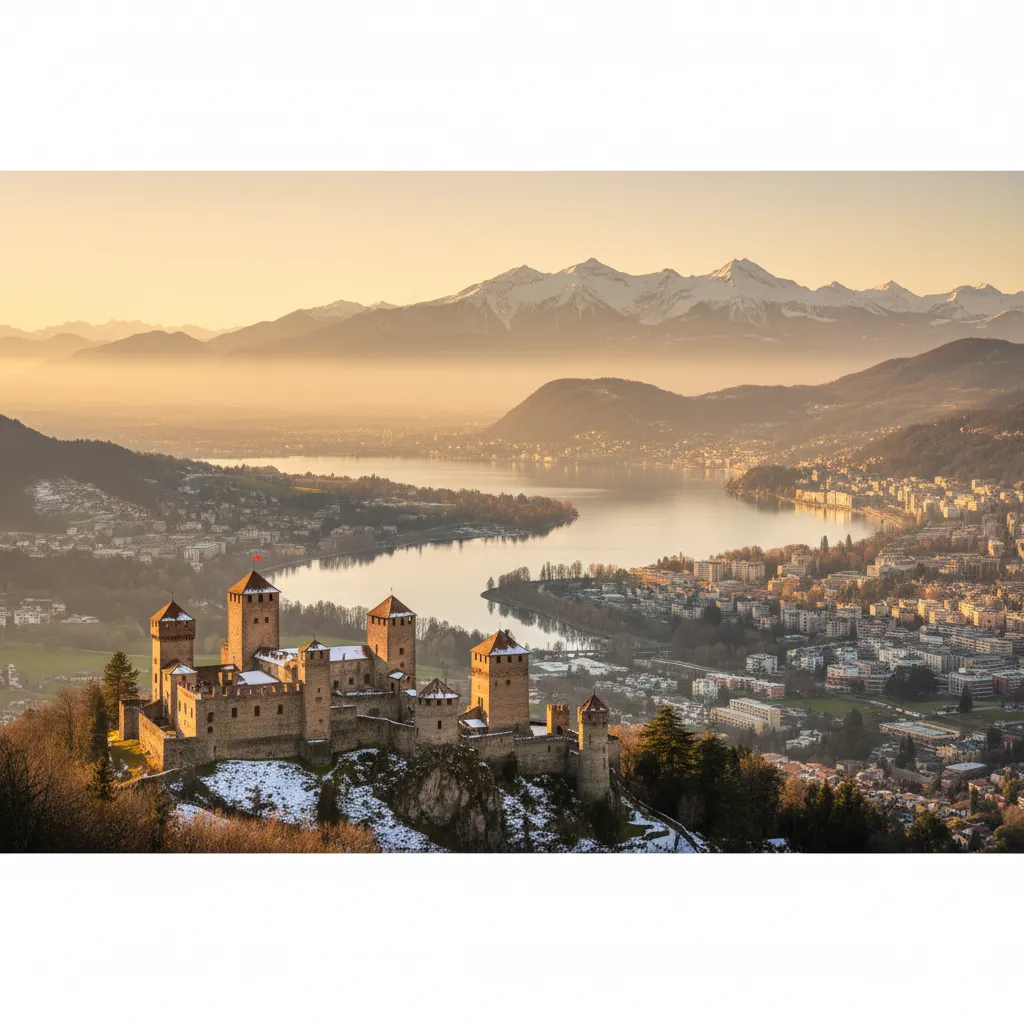
The city contains three medieval castles: Castelgrande, Castello di Montebello, and Castello di Sasso Corbaro. All three are connected by a system of fortified walls and were inscribed as a UNESCO World Heritage Site in 2000. Together, they represent one of the finest examples of medieval military architecture in the Alps.
Castelgrande is the most accessible: it sits directly above the old town and is reachable by lift from the piazza below or by a short walk up the fortification walls. The cantonal archaeological museum inside is free. The terrace restaurant serves lunch with a view over the Ticino valley that is worth CHF 20 for a pasta and a glass of local Merlot.
Montebello requires a 15-minute uphill walk from the town centre and rewards you with a less-visited hilltop courtyard. Sasso Corbaro is the most remote of the three and the least restored, which makes it the most atmospheric.
Allow half a day minimum for Bellinzona. A full day including the museums inside all three castles is possible and worthwhile.
Bellinzona is 30 minutes from Locarno by train and 45 minutes from Lugano. It works well as a day trip from either base.
Outdoor Activities in Ticino
Hiking
Ticino has over 3,000 km of marked trails, ranging from lakeside walks to high-altitude alpine routes. The Olive Tree Trail (Sentiero dell’Olivo) between Lugano and Gandria is one of the most scenic low-altitude hikes in Switzerland: 3 hours, coastal path above the lake, ending at a small fishing village with a grotto restaurant. No special equipment required.
The Cardada-Cimetta plateau above Locarno offers higher-altitude trails with views over Lake Maggiore. The gondola from Locarno reaches Cardada (1,340 m) in 12 minutes; a chairlift continues to Cimetta (1,671 m).
For multi-day walkers, the Laghetti Alpini (alpine lakes) route in the valleys north of Bellinzona passes through remote terrain with mountain hut (rifugio) stays. Most rifugi cost CHF 40 to CHF 70 for a dormitory bed with dinner. Book ahead in July and August.
Swimming
Lake Lugano and Lake Maggiore both reach swimmable temperatures (22 to 26°C) from June through September. Public lido facilities operate at Lugano-Lido (CHF 8), Locarno-Lido (CHF 8), and at multiple points along the lakes.
The Verzasca River in Valle Verzasca is the local choice for wild swimming: the water is glacier-clear and turquoise from mineral content. It is cold even in summer (typically 16 to 18°C) but the pools between boulders below Lavertezzo village are worth the temperature.
Cycling
Ticino has a marked cycling network of over 600 km. The flat lakeside routes at Lugano and Locarno are genuinely easy and scenically exceptional. Bike rental is available at the main train stations under the SBB PubliBike scheme and from private operators. Expect CHF 30 to CHF 50 per day for a standard bike.
Best Time to Visit Ticino
May to June is the optimal window. Temperatures reach 20 to 26°C, the lakes are not yet crowded, wildflowers are out in the valleys, and hotel rates sit below peak season. This is the period most recommended for hiking.
July to August is peak season: school holidays, the Locarno Film Festival (early August), and maximum lake temperatures. Prices for hotels in Lugano and Ascona increase significantly. Book accommodation at least four to six weeks in advance for this window. If you plan to attend the Film Festival, book three months ahead.
September to October is the second best window. The light is different in autumn, the lake reflections are more dramatic, and the Merlot harvest in the vineyards south of Lugano adds an activity layer. Crowds drop sharply after the Swiss school holidays end in mid-August.
November to March is the low season. Many lake-facing restaurants close, boat services reduce to weekend-only, and the atmospheric value drops considerably. Bellinzona and its castles remain open and are genuinely uncrowded, but Ticino’s main draw (outdoor lake life) is suspended.
Practical Tips for Visiting Ticino
Language
Italian is the official language. Swiss Italian differs slightly from standard Italian in vocabulary and pronunciation but is mutually intelligible. English is widely spoken in hotels and tourist-facing businesses. German is understood by many locals but using Italian or English is more appreciated.
Basic phrases worth knowing: “Un caffè, per favore” (an espresso, please), “Quanto costa?” (how much?), “Grazie” (thank you), “Prego” (you’re welcome).
Currency and Prices
Switzerland uses the Swiss Franc (CHF). Euro is accepted at many tourist restaurants and shops but at unfavourable exchange rates; withdraw or pay in CHF where possible.
Ticino is genuinely less expensive than Zurich, Basel, or Geneva for food and coffee, but Swiss price levels still apply for accommodation and transport. Budget CHF 80 to CHF 120 per person per day for food and local transport, excluding accommodation.
Transport Within Ticino
The regional bus and train network covers all major destinations efficiently. The Ticino Ticket, provided free by most hotels and guesthouses upon check-in, covers all public transport within the canton (buses, regional trains, boats). This is a significant benefit: it makes day trips between Lugano, Locarno, Bellinzona, and the valleys cost nothing beyond the time.
Confirm with your hotel when booking that the Ticino Ticket is included. Booking.com property listings for Ticino hotels generally indicate whether the card is provided.
Swiss Pass holders travel free on SBB trains, Ticino regional trains, and the lake ferries between Lugano and Locarno.
Getting to Italy from Ticino
Lugano to Como by train takes 40 minutes and costs approximately CHF 14 one-way. Lugano to Milan Centrale takes 60 minutes. This cross-border access is one of Ticino’s genuinely useful features for travellers combining Switzerland with northern Italy.
Suggested Internal Reading
Planning your broader Switzerland trip around Ticino? These guides on switzerlandvibe.com cover the wider context:
- Switzerland 3-Day Itinerary 2026: if you have limited time, how to allocate days across regions
- Switzerland 5-Day Itinerary 2026: a framework that pairs Ticino with the Bernese Oberland or Valais
- Day Trips from Geneva 2026: for travellers starting in French Switzerland
FAQ: Ticino Switzerland
Is Ticino worth visiting as part of a Switzerland trip?
Yes, with an important condition: it rewards at least two nights minimum. A one-day visit to Lugano gives you the lakefront and Monte San Salvatore. Two nights lets you add Locarno, Ascona, or Bellinzona. Three to four nights allows the valleys and proper hiking. Given the train journey from Zurich (2 hours 15 minutes), anything less than two nights feels rushed.
Do I need to speak Italian to visit Ticino?
No. English is widely spoken in hotels, restaurants, and tourist sites. Basic Italian phrases are appreciated and make interactions warmer, but are not required. German is understood but Italian or English is preferred by locals.
Is Ticino expensive compared to Italy?
Yes. Swiss prices apply throughout the canton. An espresso costs CHF 3.50 to CHF 4.50 in Lugano versus EUR 1.20 in Milan. A hotel that would cost EUR 100 per night in Como costs CHF 160 to CHF 220 in Lugano. The trade-off is Swiss infrastructure quality: transport runs precisely, the environments are exceptionally clean, and safety is not a concern. Most travellers who compare the two find Ticino worth the premium for a two-to-three day stay.
When does the Locarno Film Festival take place?
The Locarno International Film Festival runs for ten days in early August each year, typically the first two weeks of the month. The 2026 edition takes place in August 2026. Confirm the exact 2026 dates via locarnofestival.ch, as the official programme publishes in early spring. Piazza Grande screenings are free for some events and ticketed for others; the full programme publishes in May each year on the official festival site.
Can I visit Ticino without a Swiss Travel Pass?
Yes. The regional transport network is good and point-to-point tickets are available for each journey. If your trip focuses on Ticino only (Lugano plus Locarno plus Bellinzona), a Swiss Travel Pass may not be necessary. Calculate your specific journey costs on SBB.ch and compare with Pass pricing. If you plan to travel to Zurich, Bern, or Interlaken in the same trip, the Pass saves money.
Editorial standards
Why trust this guide
- Route-checked. Itineraries, transfers and timings are verified against current public-transport schedules and operator pages.
- Honest comparisons. Hotel areas and tours are compared on real value — affiliate links never change the recommendation.
- Transparent. Some links are affiliate links; the disclosure is shown on every guide.
This guide is informational travel content, not professional travel, financial or legal advice. Always confirm prices, opening times and conditions with the official provider before you book.