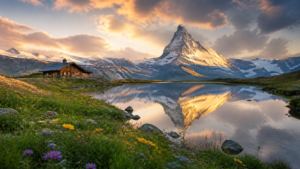
Bern Switzerland Travel Guide 2026: Best Things to Do and See
Bern, Switzerland’s federal capital, is a UNESCO-listed medieval gem offering an unparalleled blend of history, culture, and alpine scenery. For 2026, it remains a premier yet underrated destination where deep heritage meets modern livability, providing exceptional value within Switzerland. This Bern Switzerland Travel Guide 2026 outlines everything you need to know to plan a perfect trip to the city of bears. Whether you are interested in Renaissance fountains, Einstein’s physics, or simply swimming in the crystal-clear Aare River, Bern delivers an authentic Swiss experience without the overwhelming crowds found in neighboring cities.
As travel trends shift towards sustainable and immersive experiences, Bern’s compact layout and rich cultural fabric make it an ideal choice for the modern explorer seeking substance over spectacle. With its well-preserved architecture and vibrant local life, Bern stands out as a top European destination for the upcoming year. Visitors in 2026 can expect enhanced digital services for ticketing and guided tours, making navigation smoother than ever before. The city’s commitment to green energy and public transport aligns perfectly with the growing demand for responsible tourism, ensuring your visit leaves a minimal carbon footprint while maximizing cultural immersion. From cozy cafes to world-class museums, the capital offers a diverse itinerary for every type of traveler.
Why Should Bern Be a Priority for Your 2026 Switzerland Trip?
Many travelers treat Bern as a brief stopover en route to the Jungfrau region, but this overlooks its unique advantages. As the de facto capital of Switzerland since 1848, Bern is a political powerhouse, yet its preserved medieval core offers an atmospheric journey back to the 12th century. Unlike the bustling commerce of Zurich or the tourist throngs of Lucerne, Bern operates at a more measured, authentic pace. The city’s layout, confined within a dramatic hairpin bend of the Aare River, creates an intimate, walkable environment that feels safe and welcoming at all hours. This geographic isolation preserved its historic character, allowing visitors to step back in time simply by walking away from the train station. The sense of tranquility here is unmatched in major European capitals, offering a respite from the high-speed rhythm of modern life.
Crucially for 2026 travelers, Bern provides relative value: data from the Swiss Hotel Association indicates average accommodation costs run 18-22% lower than in Zurich for comparable quality. Its central location on the Swiss rail network also makes it the most logical and efficient base for exploring the Bernese Oberland, Emmental, and beyond. Beyond logistics, Bern’s cultural weight is significant. It is a city where you can stand in the apartment where Einstein revolutionized physics, walk 800-year-old arcades, and watch the symbolic bears—all within a few square kilometers. For the discerning traveler seeking substance over spectacle, Bern delivers a denser, more rewarding Swiss experience that justifies a stay of at least two nights. The city’s commitment to sustainability also aligns with modern travel values, making it a responsible choice for eco-conscious tourists who prioritize low-carbon transport options. Furthermore, the local dining scene has evolved, with more farm-to-table restaurants highlighting regional produce from the surrounding canton.
How Do You Get To and Around Bern Efficiently?
The Swiss Federal Railways (SBB) network makes train travel the unequivocally best choice. Bern’s Hauptbahnhof is a major hub, with direct, frequent connections from all major European cities. From Zurich Airport (ZRH), direct trains take approximately 1 hour 10 minutes, with fares starting at CHF 32 for a Supersaver ticket if booked in advance via the SBB mobile app. From Geneva Airport (GVA), the journey is around 1 hour 55 minutes. For international travelers booking flights, using a platform like Trip.com allows you to bundle your flight with a Swiss Rail ticket, simplifying logistics and often securing better combined rates. Booking early is essential for the best prices, especially during peak summer seasons when demand surges. The SBB app also provides real-time platform updates, which is crucial during winter months when weather can occasionally cause minor delays.
Upon arrival, navigating Bern is straightforward. The compact Old Town is best explored on foot. For longer distances, the city’s tram and bus network is efficient and punctual. A key 2026 insider tip: every overnight guest in Bern receives the complimentary “Bern Ticket,” which provides free use of public transport within zones 100 and 101 (covering the entire city) for the duration of their stay. This perk alone can save a visitor CHF 8-15 per day. For those considering extensive travel across Switzerland, the Swiss Travel Pass remains a sound investment, covering the journey to Bern and granting free entry to most of the city’s museums. This pass simplifies budgeting and eliminates the need for individual ticket purchases, streamlining your entire journey. Additionally, bike-sharing schemes are available throughout the city, offering a healthy and scenic way to traverse the riverside paths.
Renting a car is not recommended for exploring the city center due to restricted access zones and expensive parking (often CHF 30-40 per day). However, for planned day trips into the surrounding canton, services like GetRentacar can offer competitive rates from providers at Bern’s main station or airport. Note that while credit cards are widely accepted, carrying some Swiss Francs in cash is advisable for smaller kiosks or market stalls. Having cash on hand ensures smooth transactions at local bakeries and flea markets where digital terminals may not be available. Always validate your ticket before boarding trams to avoid fines, as inspections are frequent and rigorous.
What Makes Bern’s Old Town a UNESCO World Heritage Site?
Inscribed in 1983, Bern’s Old Town (Altstadt) is one of Europe’s most compelling examples of medieval urban planning. The site covers 54 hectares and is characterized by its unified architectural style, predominantly built from local sandstone following a fire in 1405. The most iconic feature is the 6 kilometers of covered arcades, known as Lauben, which shelter pedestrians from rain and snow while housing boutiques and cafes. At the heart of the Old Town stands the Zytglogge, a medieval tower with an astronomical clock that has marked the hours since 1530. Visitors can join guided tours to see the intricate clockwork mechanism inside. Another highlight is the Bern Munster, a Gothic cathedral whose construction began in 1421. Climbing the 344 steps to the top of the tower offers panoramic views of the Aare River and the distant Alps. The preservation efforts ensure that modern life blends seamlessly with history, maintaining the site’s integrity for future generations.
What Are the Top Attractions to Visit in Bern?
Bern offers a diverse range of attractions that cater to history buffs, science enthusiasts, and nature lovers alike. The Einstein Museum, located at the Kramgasse 49, is a must-visit. This is the apartment where Albert Einstein lived from 1903 to 1905, the year he published his theory of relativity. The museum uses interactive exhibits to explain his groundbreaking work in an accessible way. For animal lovers, the Bear Park (BarenPark) is essential. Bern’s heraldic animal has been kept in the city since 1513, and the modern enclosure allows visitors to observe the bears in a naturalistic environment along the riverbank. In summer, swimming in the Aare River is a quintessential local experience. The water is cold but refreshing, and there are designated bathing spots with facilities to change and store clothes. Finally, a trip to the Gurten Mountain via funicular provides a stunning vantage point over the capital, complete with hiking trails and restaurants at the summit.
When Is the Best Time to Visit Bern in 2026?
The best time to visit Bern depends on your preferred activities. Summer, from June to August, offers the warmest weather with average temperatures around 25°C (77°F), making it ideal for river swimming and outdoor festivals. However, this is also the peak tourist season, so booking accommodations early is crucial. Spring (April to May) and Autumn (September to October) provide mild weather and fewer crowds, perfect for walking tours and museum visits. Winter transforms the city into a Christmas market hub, with festive lights illuminating the arcades from late November through December. While temperatures can drop below freezing, the cozy atmosphere in cafes and the proximity to ski resorts make it a charming season to visit. Regardless of when you travel, the city’s covered arcades ensure you can explore comfortably even during rain showers.
Frequently Asked Questions About Traveling to Bern
Is Bern expensive for tourists?
While Switzerland is generally pricey, Bern is more affordable than Zurich or Geneva. Budget travelers can manage with CHF 100-150 per day by utilizing supermarkets for meals and the free Bern Ticket for transport.
Do I need to speak German to visit Bern?
No. While the local language is Swiss German, almost everyone in the tourism and service industry speaks excellent English. Signage is also available in multiple languages.
Is the Bern Ticket valid for trains to nearby mountains?
The Bern Ticket covers public transport within the city zones. For mountain excursions like Gurten or nearby peaks, you may need additional tickets, though discounts often apply with the Swiss Travel Pass.
Are museums free in Bern?
Many museums
Editorial standards
Why trust this guide
- Route-checked. Itineraries, transfers and timings are verified against current public-transport schedules and operator pages.
- Honest comparisons. Hotel areas and tours are compared on real value — affiliate links never change the recommendation.
- Transparent. Some links are affiliate links; the disclosure is shown on every guide.
This guide is informational travel content, not professional travel, financial or legal advice. Always confirm prices, opening times and conditions with the official provider before you book.