Your first trip to Switzerland in 2026 can be genuinely magical by mastering seven core strategies: smart transport choices, realistic budgeting, perfect seasonal timing, strategic base selection, prioritizing iconic journeys, understanding local culture, and planning efficient excursions.
Secret 1: How Can You Master Swiss Transport and Save Over 500 CHF in 2026?
Navigating Switzerland’s legendary public transport system is your first and most critical logistical decision. The network, operated by Swiss Federal Railways (SBB) and over 40 private companies, is the world’s densest and most efficient, but its pricing can be complex. With fare adjustments projected for 2026, choosing between a Swiss Travel Pass, a Half-Fare Card, or point-to-point tickets requires a personalized audit. The correct choice can save a typical traveler upwards of 500 Swiss Francs (CHF) while granting unparalleled freedom to explore spontaneously.
2026 Swiss Travel Pass: A Complete Value Breakdown
The Swiss Travel Pass (STP) is not merely a ticket; it is a key to seamless travel. It provides unlimited travel on nearly all trains, buses, trams, and boats across the national network, including premium panoramic lines like the GoldenPass Line and Glacier Express. Its ancillary benefits are substantial and often underestimated: complimentary entry to over 500 museums nationwide and a consistent 50% discount on most mountain railways and cable cars. Based on current SBB pricing models and anticipated 2026 adjustments, here are the projected fares for the consecutive-day passes:
| Validity Period | 2nd Class Adult | 1st Class Adult | Youth (16-25) 2nd Class |
|---|---|---|---|
| 3 consecutive days | CHF 268 | CHF 445 | CHF 214 |
| 4 consecutive days | CHF 314 | CHF 518 | CHF 251 |
| 6 consecutive days | CHF 381 | CHF 626 | CHF 305 |
| 8 consecutive days | CHF 412 | CHF 678 | CHF 330 |
| 15 consecutive days | CHF 550 | CHF 905 | CHF 440 |
The museum benefit alone can recoup a significant portion of the pass cost. Visiting just three major institutions—Zurich’s Kunsthaus (CHF 26), Bern’s Historical Museum (CHF 24), and Lucerne’s Rosengart Collection (CHF 22)—represents CHF 72 in saved entrance fees. More importantly, the pass eliminates decision fatigue, allowing you to hop on any train spontaneously to chase good weather into the mountains or extend a lakeside lunch without a second thought.
Performing Your Personal 2026 Break-Even Calculation
The Swiss Travel Pass becomes financially advantageous on itineraries involving multiple medium to long-distance journeys per day. Consider this typical 8-day first-timer circuit for summer 2026, using projected standard point-to-point fares:
- Day 1: Zurich Airport to Lucerne (CHF 33), Lake Lucerne panorama cruise (CHF 47).
- Day 2: Lucerne to Interlaken via GoldenPass (CHF 35), local transport in Interlaken (CHF 8).
- Day 3: Interlaken to Grindelwald return (CHF 29).
- Day 4: Interlaken to Lauterbrunnen, train to Wengen (CHF 43 total).
- Day 5: Interlaken to Bern (CHF 35), city transport & museum entries (CHF 38 value).
- Day 6: Bern to Montreux (CHF 38), Lake Geneva boat to Chillon (CHF 32).
- Day 7: Montreux to Zermatt (CHF 55).
- Day 8: Zermatt to Zurich Airport (CHF 112).
The core transport cost alone exceeds CHF 410. Adding the 50% discount on a major excursion like Jungfraujoch (saving around CHF 112) and museum entries, the 8-day pass at an estimated CHF 412 provides clear savings and total freedom. For slower trips centered on one region, the math differs.
The Strategic Power of the Half-Fare Card and Supersaver Tickets
For travelers with a fixed, non-flexible itinerary planned weeks in advance, the Half-Fare Travelcard (Halbtax) is a powerful alternative. At an expected cost of CHF 135 for one month in 2026, it provides a 50% discount on all standard SBB fares and most private railways. Its true potential is unlocked when paired with Supersaver Tickets (Sparbillette), which are limited, advance-purchase fares offering discounts of up to 70%. For instance, a Zurich-Geneva full-fare ticket is CHF 96. With a Half-Fare Card, it’s CHF 48. Booked 60 days in advance as a Supersaver, it can drop to CHF 32. The trade-off is a complete loss of flexibility, as these tickets are locked to a specific train and time.
For single intensive travel days, the Saver Day Pass (Tageskarte) is optimal. Purchased weeks or months ahead via the SBB app, these passes can be secured for as low as CHF 32 in 2nd class for 2026, rising to CHF 59 closer to departure. My definitive 2026 advice: Download the official ‘SBB Mobile’ app before you leave home. Input your ideal itinerary and run a side-by-side comparison: total cost of advance Supersaver tickets (with a Half-Fare Card) versus the flat rate of a Swiss Travel Pass. This 20-minute exercise will define your transport strategy and budget.
Secret 2: What Is a Realistic Daily Budget for Switzerland in 2026?
Switzerland’s reputation for high costs is accurate, but informed, strategic planning creates a manageable financial framework. A realistic 2026 budget must account for continued global inflationary pressures, projected here at an average of 4% over 2025 levels. The following per-person, per-day breakdown in Swiss Francs (CHF) provides three distinct travel styles, assuming double-occupancy for lodging in the mid-range and premium tiers.
| Expense Category | Budget-Conscious Traveler | Mid-Range Traveler | Premium Traveler |
|---|---|---|---|
| Accommodation | CHF 55–110 (Hostel dorm / budget guesthouse) | CHF 165–285 (3-4 star hotel, central location) | CHF 350–770+ (4-5 star hotel, prime view) |
| Food & Drink | CHF 40–77 (Supermarket picnics, lunch menus, street food) | CHF 82–120 (Mix of supermarket, mid-tier cafes, 1 sit-down meal) | CHF 142–330+ (Hotel breakfast, fine dining, gourmet experiences) |
| Local Transport | CHF 33–55 (Advance Saver Day Passes, regional passes) | CHF 49–72 (Amortized Swiss Travel Pass 2nd class) | CHF 82–120 (Swiss Travel Pass 1st class, private transfers) |
| Activities & Entrances | CHF 0–44 (Free hikes, pass museums, one discounted excursion) | CHF 44–110 (One major mountain trip, paid museums) | CHF 132–385+ (Multiple premium excursions, private guides) |
| Incidentals & Souvenirs | CHF 11–28 | CHF 28–55 | CHF 65–220+ |
| Total Per Person Per Day | CHF 139–314 | CHF 368–642 | CHF 771–1825+ |
Mastering Food Costs: Insider Strategies for 2026
Dining is your most flexible budget lever. Embrace these local practices to eat well without financial shock.
- Supermarket Supremacy: Migros and Coop are national institutions. Their “Take Away” sections offer high-quality, ready-to-eat meals like grilled chicken with rösti (CHF 10-16) or fresh pasta salads (CHF 7-10). Building a picnic from their bakery, cheese, and charcuterie counters is a delicious and economical ritual, costing under CHF 14 per person.
- The Sacred Lunch Menu (“Tagesteller”/”Menu du Jour”): This is the golden rule for affordable restaurant dining. Between 11:30 AM and 2:00 PM, most establishments offer a discounted set menu. For CHF 22-36, you typically receive a starter, main course, and sometimes coffee. The same dishes ordered à la carte at dinner can easily total CHF 60-80.
- Embrace Public Fountains: Switzerland’s tap water (“Hahnenwasser”/”Eau du Robinet”) is of exceptional quality and safe to drink everywhere. Carry a reusable bottle. You can refill at any of the countless public fountains marked “Trinkwasser” or “Eau Potable.” In restaurants, politely asking for a carafe of tap water is acceptable, though some may charge a nominal CHF 1-3 service fee.
- Strategic Splurges: Allocate your dining budget for authentic, memorable experiences. Enjoy a fondue (CHF 28-40 per person) in a traditional Alpine “stübli,” or savor fresh perch fillets (“Egli”) at a lakeside restaurant in Lucerne. These targeted splurges offer far more value than multiple mediocre meals.
Budgeting for Iconic Mountain Excursions in 2026
Major alpine journeys are premium experiences. Budget for them separately and book tickets strategically, often directly via the mountain railway’s website. Here are projected 2026 full-fare round-trip costs from the base valley station, highlighting potential savings with a Swiss Travel Pass (STP) or Half-Fare Card (HFC).
- Jungfraujoch, Top of Europe from Interlaken Ost: CHF 235 (STP/HFC: ~CHF 118).
- Gornergrat Bahn from Zermatt: CHF 122 (STP/HFC: CHF 61).
- Titlis Rotair from Engelberg: CHF 110 (STP/HFC: CHF 55).
- Schilthorn Piz Gloria from Stechelberg: CHF 146 (STP/HFC: CHF 73).
- Mount Rigi from Vitznau or Arth-Goldau: CHF 84 (STP: FREE with pass / HFC: CHF 42).
Critical Pro Tip: Always check the live webcams on the mountain’s official website (e.g., jungfrau.ch, titlis.ch) before purchasing tickets or departing. A cloudy day at 3,000 meters offers zero visibility and is not worth the significant investment. Have a flexible “Plan B” ready, such as a lower-altitude hike or a visit to a museum covered by your travel pass.
Secret 3: How Do You Choose the Perfect Swiss Base City for Your First Trip?
Your choice of home base dictates your daily rhythm, costs, and access to Switzerland’s diverse landscapes. While Zurich is the primary international gateway, it is often not the ideal base for a classic Alpine and lakeside itinerary. Your selection should be a strategic match for your trip’s dominant theme: deep alpine immersion, lakeside serenity, urban culture, or a balanced hybrid. Key factors are daily travel time, accommodation value, and the quality of day-trip options.
Lucerne: The Unbeatable All-Rounder for First Impressions
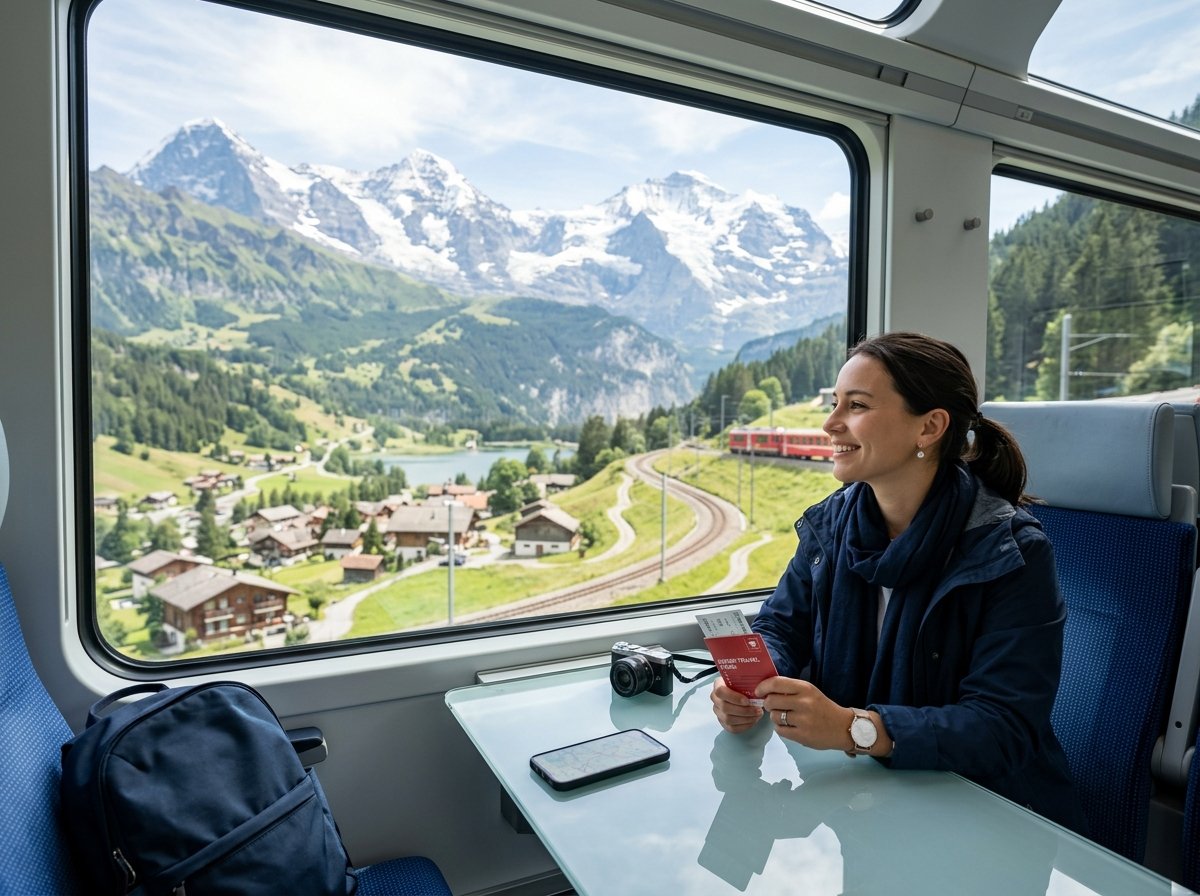
Lucerne (Luzern) is consistently the top recommendation for a first-time base. It delivers an immediate, concentrated dose of Swiss iconography: the 14th-century Chapel Bridge (Kapellbrücke), the poignant Lion Monument (Löwendenkmal), and a stunning lake-and-mountain panorama. Functionally, it is a superb transport hub. You can reach the summit of Mount Pilatus in 30 minutes, the heart of the Bernese Oberland in under two hours, and Zurich Airport in 70 minutes. The compact, walkable old town is culturally vibrant and offers a wider range of accommodation values than Zurich. For 2026, expect 3-star hotel averages of CHF 250-310 per night in the central zone. Lucerne provides the perfect equilibrium of iconic beauty, convenience, and authentic Swiss atmosphere.
Interlaken: The Dedicated Alpine Command Post
If your primary goal is to explore the iconic peaks of the Jungfrau Region—Eiger, Mönch, Jungfrau—Interlaken is your operational headquarters. Its singular advantage is unparalleled proximity. The Jungfrau Railways network operates from Interlaken Ost station like a subway to the Alps, with direct, frequent services to Grindelwald (35 mins), Lauterbrunnen (20 mins), and onward to car-free villages like Wengen and Mürren. The town is tourist-centric, geared towards adventure sports and efficient services. The trade-off is a lack of traditional Swiss urban charm. Book accommodation at least 6-8 months in advance for summer 2026; 3-star hotel rates will range from CHF 210-290. Choose Interlaken only if over 80% of your itinerary involves mountain railways, hiking, and alpine vistas.
Bern: The Cultured, Underrated Capital
Switzerland’s federal capital, a UNESCO World Heritage site, is a masterclass in understated elegance. Its six kilometers of sandstone arcades (Lauben) shelter unique boutiques and cafes, the Zytglogge medieval clock tower enchants on the hour, and swimming in the turquoise Aare River is a beloved local summer ritual. Bern offers a more relaxed, authentically Swiss urban experience with significantly fewer tourist crowds than Zurich or Lucerne. Its central location is a rail powerhouse: 55 minutes to Zurich, 1 hour to Lucerne, 1 hour 10 minutes to Interlaken. Accommodation costs are typically 15-25% lower than in Zurich. It is the ideal base for travelers who want a rich historical and cultural anchor with superb, balanced access to both the Alps and major cities.
Montreux & Lake Geneva: The Sophisticated Riviera Alternative
For a distinctly different Swiss vibe, base yourself on the shores of Lake Geneva (Lac Léman). Montreux, with its Mediterranean microclimate, palm-lined promenade, and stunning Château de Chillon, offers a blend of Belle Époque glamour and natural beauty. It’s the gateway to the Rochers-de-Naye summit and the starting point for the GoldenPass scenic route to Interlaken. The nearby Lavaux vineyard terraces, another UNESCO site, offer breathtaking lakeside walks. This region suits travelers interested in wine, lake culture, fine dining, and connections to French-speaking Switzerland. Hotel prices are comparable to Lucerne, averaging CHF 230-330 for a 3-star property in 2026.
Secret 4: When Is the Absolute Best Time of Year for a First Visit in 2026?
Switzerland does not have a single “best” season; it has four distinct personalities. Your optimal time hinges entirely on your non-negotiable priorities: flawless alpine hiking, world-class skiing, vibrant festivals, or minimal crowds with moderate prices. For a first visit aiming to see the classic postcard sights with reliable access, the window from late May to late September is generally most forgiving and offers the highest probability of good weather.
Summer (Late June to August): Peak Accessibility and Energy
Summer is high season for compelling reasons. All high-altitude trails (above 2,200 meters) are snow-free, mountain transport operates at full frequency, and days are long (sunset after 9:00 PM). Average valley temperatures range from 20°C to 28°C (68°F to 82°F), perfect for lake swimming. However, this popularity has tangible costs. Accommodation in hotspots like Zermatt, Interlaken, and Lucerne must be booked 6-8 months in advance. Trains and popular viewpoints will be busy. Key 2026 events include the Montreux Jazz Festival (July 3-18) and Swiss National Day (August 1) with fireworks across the country.
Autumn (September to October): The Sweet Spot for Discerning Travelers
Early to mid-September is arguably the premier time for a first visit. The summer weather persists, but the overwhelming crowds from July and August dissipate immediately after the first week of September. Hotel prices typically drop by 15-25%. The landscape begins its dramatic transformation, with golden larch trees in the Engadin Valley and vibrant foliage in the southern canton of Ticino. Hiking conditions remain excellent at most altitudes until mid-October. This season is ideal for photographers, serious hikers, and travelers seeking an optimal balance of good weather and relative peace. By late October, be prepared for cooler temperatures and the possibility of early snow closing higher mountain passes.
Winter (December to March): A Snow-Covered Fairy Tale
Winter unveils a magical, festive Switzerland radically different from the summer image. The ski season runs from December to April in major resorts like Verbier, St. Moritz, and Zermatt (which offers year-round skiing on its glacier). For non-skiers, the country sparkles with Christmas markets—Basel’s (November 27 – December 23, 2026) is considered one of Europe’s finest. Activities like snowshoeing, fondue evenings in mountain huts, and scenic train journeys like the Glacier Express are at their most picturesque. The trade-off is limited daylight (approximately 8 hours in December) and colder temperatures, often between -5°C and 5°C (23°F to 41°F) in the lowlands.
Spring (April to Early June): The Season of Rebirth and Value
Spring offers lower prices and blooming meadows but comes with significant caveats for mountain sightseeing. Many high trails are still covered in snow or are muddy and officially closed. Iconic high-mountain excursions like Jungfraujoch operate, but the surrounding hiking terrain is inaccessible. This period is superb for city exploration, visiting the lakeside regions of Geneva and Lucerne, and enjoying lower-altitude hikes in places like the Lavaux vineyards or the Emmental. The weather is famously changeable—pack for sun, rain, and possibly sleet. By late May, most summer services resume, making it a potentially valuable and less crowded shoulder period.
Secret 5: Which Unmissable Swiss Experiences Justify the Trip in 2026?
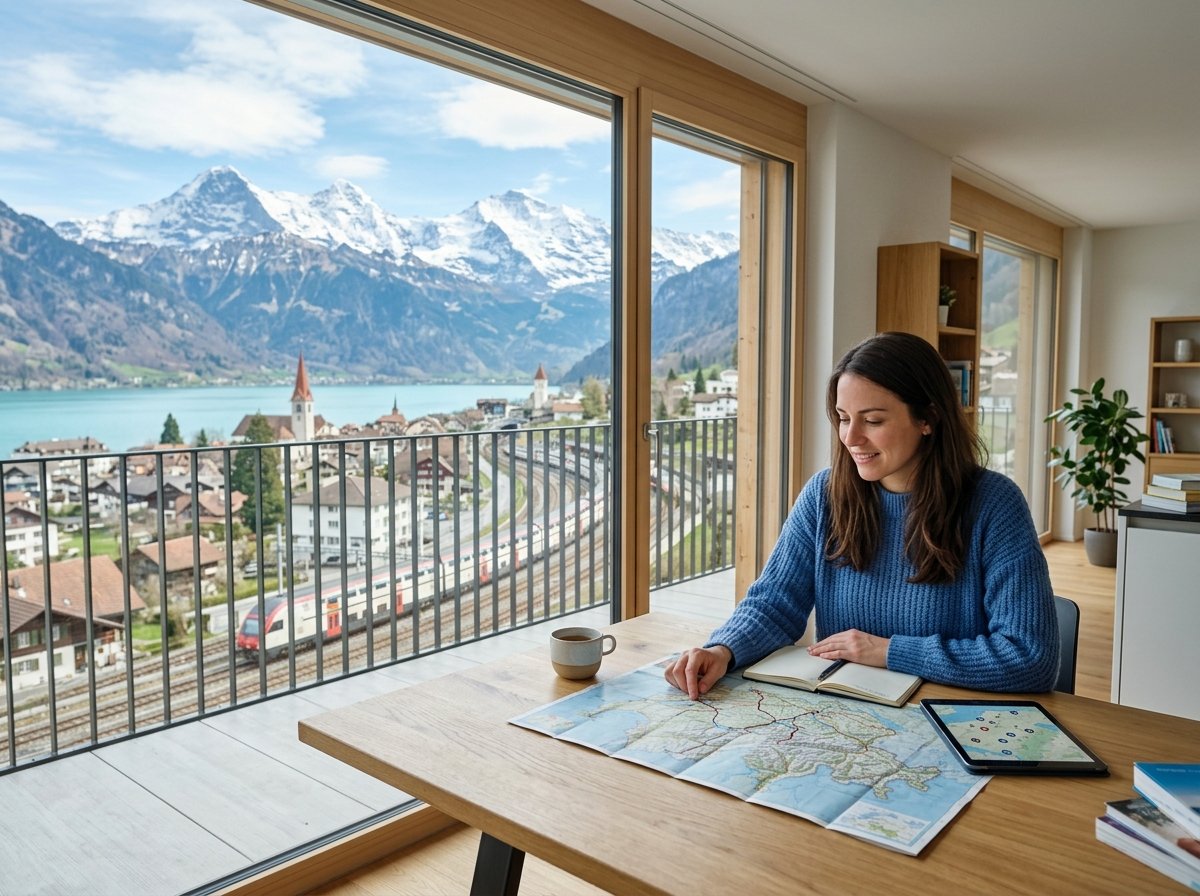
Beyond checking sights off a list, certain journeys encapsulate the soul of Switzerland. These are investments in lifelong memories. The key to maximizing their value lies in meticulous planning around weather, timing, and personal fitness, not just buying a ticket.
Journey to the Jungfraujoch: A Case Study in Strategic Tourism
The trip to Europe’s highest railway station at 3,454 meters is a profound testament to human ingenuity. To ensure this significant investment (approx. CHF 235 in 2026) delivers a memorable experience, follow this strategic approach:
- Weather Dictates Everything: Never book non-refundable tickets days in advance. Monitor the Jungfrau region live webcams religiously in the days leading up to your planned visit. A crystal-clear morning reveals the Aletsch Glacier—the longest in the Alps—in its full, breathtaking glory. Under cloud cover, you see primarily the interior of a mountain tunnel.
- The Early Bird Strategy: Target the first departure from Interlaken Ost (around 6:35 AM) on a weekday (Tuesday through Thursday). You’ll arrive ahead of the bulk of organized tour groups and have the Ice Palace and Sphinx Observatory viewing platforms in relative peace.
- Altitude Acclimatization: Spend at least one night at a moderate altitude (e.g., in Grindelwald at 1,034m or Wengen at 1,274m) before your ascent to help your body adjust and reduce the risk of altitude-related discomfort (headache, nausea).
- Consider Promotional Fares: For 2026, inquire about early-bird “Good Morning” tickets or afternoon “Good Afternoon” tickets, which require travel during specific, less popular times and can offer savings of 10-20%.
Hiking the Swiss Alps: Beyond the Postcard
To truly connect with the landscape, you must walk it. For first-timers, these accessible yet spectacular hikes are ideal introductions. Each is well-served by public transport and clearly signposted.
- Männlichen to Kleine Scheidegg (Panorama Trail): A gentle, 90-minute downhill walk from the Männlichen gondola top station. The path offers uninterrupted, face-on views of the Eiger, Mönch, and Jungfrau triplex. The gradient is easy, and the path is wide and well-maintained.
- Mürren to Gimmelwald (North Face Trail): An easy, one-hour cliff-side path from the car-free village of Mürren, with staggering views into the Lauterbrunnen Valley
Editorial standards
Why trust this guide
- Route-checked. Itineraries, transfers and timings are verified against current public-transport schedules and operator pages.
- Honest comparisons. Hotel areas and tours are compared on real value — affiliate links never change the recommendation.
- Transparent. Some links are affiliate links; the disclosure is shown on every guide.
This guide is informational travel content, not professional travel, financial or legal advice. Always confirm prices, opening times and conditions with the official provider before you book.
Related guides