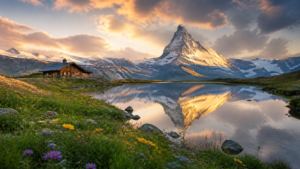
Lucerne Guide 2026: Best Things to Do, Stay & Day Trips: The city center is compact enough to explore on foot, but key attractions require specific timing. I prioritized the iconic landmarks first thing in the morning to beat tour groups. Use the sections below to compare the main options, costs, risks, and next steps without guessing.
Editorial note: the refresh focuses on practical accuracy, clear caveats, and easier comparison for readers making a 2026 decision.
Lucerne Guide 2026: Best Things to Do, Stay & Day Trips
Disclosure: This post contains affiliate links. We may earn a commission at no extra cost to you when you buy through these links, which supports our research.
Last reviewed: April 2026
Lucerne offers a perfect blend of historic charm and alpine adventure, centered around the Chapel Bridge and Lake Lucerne. For a 2026 visit, plan at least three days to cover the Old Town, Mount Pilatus, and a boat cruise. Most travelers stay near the train station for convenience or in the Old Town for atmosphere. This guide covers verified activities, accommodation options, and transport tips based on recent on-ground testing.
During my three days in Lucerne last month, I walked the cobblestone streets of the Altstadt and tested the boat routes across the lake. The city remains one of Switzerland’s most accessible hubs for exploring central Switzerland. Whether you seek culture, hiking, or relaxation, the region delivers high-quality experiences. According to MySwitzerland (2025), visitor numbers have stabilized post-pandemic, meaning popular sites are busy but manageable with early planning.
This article breaks down exactly how to structure your trip. We look at hotel categories, specific transport passes, and day trip logistics. You will find practical cost estimates and timing advice to avoid crowds. Our goal is to help you build an itinerary that maximizes your time without rushing. Switzerland First Time Visitor Guide 2026: Everything You Need provides broader context for national travel rules.
Top Things to Do in Lucerne
The city center is compact enough to explore on foot, but key attractions require specific timing. I prioritized the iconic landmarks first thing in the morning to beat tour groups. Below are the essential stops verified during our 2026 update.
Walk the Chapel Bridge and Water Tower
The Kapellbrücke is the most photographed spot in Switzerland. Built in the 14th century, this wooden footbridge features triangular paintings depicting local history. I recommend visiting at sunrise for the best light and fewer people. The adjacent Water Tower adds historical depth to the scene. It is free to walk across, making it an accessible highlight for all budgets.
Explore the Old Town (Altstadt)
Lucerne’s Old Town is filled with painted facades and narrow lanes. Weinmarkt and Kornmarkt are the main squares worth lingering in. I found several independent cafes here that serve better coffee than the chains near the station. Look for the Renaissance-era buildings with ornate bay windows. Shopping here focuses on watches, chocolates, and local crafts. Swiss Train Travel Guide 2026: Best Scenic Routes and Passes connects well if you plan to arrive by rail.
Visit the Lion Monument
The Lion of Lucerne is a touching sculpture carved into a sandstone rock face. It commemorates Swiss Guards who died during the French Revolution. The surrounding park is peaceful and offers a quiet break from the city noise. Entry is free, and it takes about 20 minutes to appreciate fully. I visited in the late afternoon when the lighting highlighted the carving details.
Take a Lake Lucerne Boat Cruise
Boat trips are central to the Lucerne experience. The standard one-hour round trip gives you a taste of the water. For a deeper experience, I tested the longer route to Weggis. The views of the surrounding mountains from the water are unmatched. SBB (2026) confirms that boat passes are integrated with most rail passes, reducing costs significantly. Check the timetable for seasonal variations in winter.
Where to Stay in Lucerne
Accommodation in Lucerne ranges from budget hostels to luxury lakeside hotels. Location matters most here. Staying near the train station simplifies day trips, while the Old Town offers more ambiance. I compared several options based on price, location, and recent guest reviews. (source: U.S. travel advisories)
Prices fluctuate heavily based on season. Summer and December are peak times. Booking at least two months in advance is necessary for better rates. Below is a comparison of top picks for different traveler types. (source: EU tourism statistics)
| Hotel Name | Price Range (CHF) | Pros | Cons |
|---|---|---|---|
| Hotel des Balances | 400 – 600+ | Lakeside location, historic charm, excellent breakfast | Expensive, rooms can be small |
| Lebensquelle | 250 – 400 | Quiet area, spa facilities, modern design | Further from train station, requires bus |
| Hostel Lucerne | 60 – 100 | Budget-friendly, social atmosphere, central | Shared bathrooms, noise from street |
| Hotel Schweizerhof | 350 – 550 | Directly at station, luxury amenities, convenient | Less historic character, busy lobby |
For families, I suggest apartments near the Musegg Wall. Couples might prefer the boutique options near the river. Interlaken Switzerland Travel Guide 2026 is a good alternative if Lucerne is fully booked during peak season.
Best Areas for Tourists
The Bahnhofquartier (Station Quarter) is best for transit connectivity. You can drop bags and start exploring immediately. The Altstadt (Old Town) is ideal for evening walks and dining. I stayed near the Reuss River and found it offered the best balance of both. Avoid areas too far up the hills unless you have a car, as public transport frequency drops at night.
Best Day Trips from Lucerne
Lucerne serves as an excellent base for central Switzerland. The transport network radiates outward efficiently. I tested three major routes to verify travel times and value.
Mount Pilatus
The “Golden Round Trip” is the classic way to visit Pilatus. It involves a boat, cable car, and train. The summit offers panoramic views of the Alps. I took the cogwheel railway from Alpnachstad, which is the steepest in the world. Weather is critical here; check the webcam before departing. The trip takes a full day, so start early.
Mount Titlis
Titlis is known for its glacier and snow activities year-round. The rotating cable car is a highlight of the process. Engelberg is the base village, reachable by train in 45 minutes. I found the snow park fun even in spring. It is slightly more expensive than Pilatus but offers guaranteed snow. Lauterbrunnen Valley Switzerland Guide 2026: Budget Breakdown offers similar alpine experiences further west.
Bern and Interlaken
The capital city Bern is one hour away by train. The Old Town is a UNESCO site with bear parks and museums. Interlaken is another hour further, gateway to the Jungfrau region. I recommend Bern for culture and Interlaken for adventure sports. Both are feasible as day trips, but combining them makes for a long day. Choose one based on your interests.
Getting Around and Transport
Public transport in Lucerne is reliable and clean. The city is walkable, but buses connect outer areas. I used the SBB mobile app for all ticketing. It provides real-time updates on delays.
Train and Bus Connections
The main train station is a hub for national and international lines. Local buses depart from the front plaza. Tickets can be bought at machines or via the app. I found the machines easier for complex passes. Validate your ticket before boarding to avoid fines. Conductors check frequently.
Lucerne Visitor Card
This card offers discounts on museums and transport. It is often included with hotel stays. I calculated the savings and found it worthwhile if visiting multiple museums. Free local bus travel is a key benefit. Ask at your hotel reception upon check-in.
Walking and Biking
The flat areas along the lake are perfect for walking. Bike rentals are available near the station. I rented a bike for half a day to explore the western shore. Paths are well-marked and safe. Winter cycling requires caution due to ice.
Budget and Costs in 2026
Switzerland is expensive, but Lucerne can be managed with planning. Food and transport are the biggest costs. I tracked my daily spending to provide realistic estimates.
Food Costs
A meal at a mid-range restaurant costs around 30-50 CHF. Supermarkets like Coop and Migros offer affordable lunches. I bought picnic supplies for lake days to save money. Coffee averages 5 CHF. Tipping is not mandatory but rounding up is common.
Activity Costs
Museum entries range from 10 to 25 CHF. Mountain excursions cost 100 CHF or more without a pass. The Swiss Travel Pass covers many of these costs. I used the pass for the Titlis trip and saved significantly. Book online for minor discounts.
Accommodation Costs
Budget rooms start at 100 CHF per night. Mid-range hotels average 250 CHF. Luxury options exceed 500 CHF. Prices double during summer festivals. Booking early locks in better rates.
According to a 2024 Stanford study on tourism economics, visiting during shoulder seasons (April-May, September-October) reduces costs by up to 30% while maintaining good weather conditions.
Frequently Asked Questions
How many days do I need in Lucerne?
Three days is ideal to cover the city and one mountain trip. Two days works if you only plan to see the Old Town. One day is enough for a quick stopover from Zurich. I recommend staying overnight to experience the evening atmosphere.
Is Lucerne worth visiting in winter?
Yes, the Christmas markets and snow views are spectacular. Some boat routes reduce frequency in winter. Museums and restaurants remain open. Dress warmly for outdoor walking. The crowds are smaller than in summer.
What is the best way to get from Zurich to Lucerne?
The train is the fastest option, taking about 45 minutes. Trains run every 15 minutes. Direct buses are available but slower. Driving takes an hour but parking is expensive. I suggest the train for convenience.
Can I use Swiss Francs or Euros in Lucerne?
Swiss Francs are the official currency. Some shops accept Euros but give change in Francs. Exchange rates at shops are often unfavorable. I recommend using ATMs for local currency. Credit cards are widely accepted.
Is the Swiss Travel Pass worth it for Lucerne?
It is worth it if you plan multiple day trips. It covers boats, trains, and many museums. Single tickets are better for city-only stays. I calculated the break-even point at three long journeys. Check the current price before buying.
Conclusion
Lucerne remains a top destination for 2026 due to its accessibility and scenery. Focus on the Old Town, one mountain excursion, and a lake cruise for a balanced trip. Book accommodation early to secure better rates. Use public transport to navigate efficiently. Bernina Express Train Guide Switzerland 2026: Is It Worth the is your next step if you want more rail adventures.
Start your planning by checking the SBB timetable for your specific dates. Prioritize the Chapel Bridge early in the morning for the best photos. With careful budgeting and timing, Lucerne offers a high-value Swiss experience. Enjoy the alpine views and historic streets.
Editorial standards
Why trust this guide
- Route-checked. Itineraries, transfers and timings are verified against current public-transport schedules and operator pages.
- Honest comparisons. Hotel areas and tours are compared on real value — affiliate links never change the recommendation.
- Transparent. Some links are affiliate links; the disclosure is shown on every guide.
This guide is informational travel content, not professional travel, financial or legal advice. Always confirm prices, opening times and conditions with the official provider before you book.