Is the Swiss Travel Pass Worth It? Complete 2026 Guide
The Million Dollar Question (Or Rather, Several Hundred Francs)
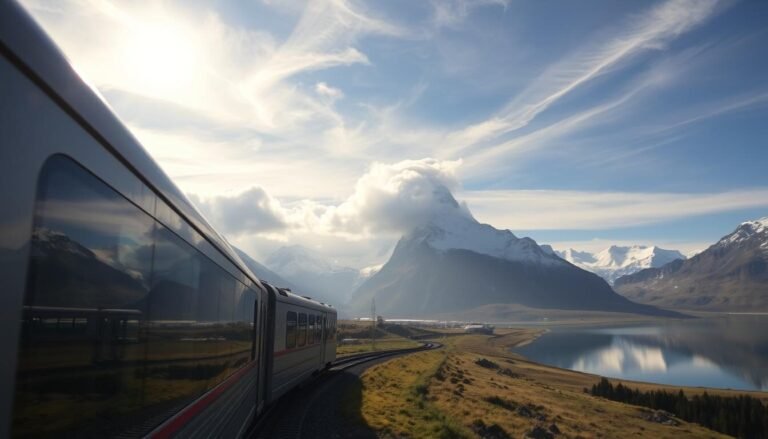
Switzerland has one of the best public transport systems in the world, but it’s not cheap. The Swiss Travel Pass offers unlimited travel, but is it worth the hefty price tag?
Planning a multi-country Europe trip? Check our France guide at francevibe.com and Spain guide at spainsoul.com.
What Does It Cover?
- Unlimited Travel: Trains, buses, and boats.
- Free Museums: Entry to over 500 museums (including Chillon Castle).
- Mountain Excursions: Rigi, Stanserhorn, and Stoos are fully covered. Others (like Jungfraujoch) get a discount (usually 25-50%).
When is it WORTH IT?
- You plan to travel a lot: If you’re taking a train every day or doing long distances (e.g., Zurich to Zermatt).
- You love boats and museums: A boat cruise on Lake Lucerne alone can cost 50+ CHF.
- Convenience: Just hop on and off without buying tickets.
When is it NOT Worth It?
- You’re staying in one region: Regional passes (like the Berner Oberland Pass) might be better.
- You have a car: Obviously.
- Short trips: For 1-2 days, point-to-point tickets or a Saver Day Pass might be cheaper.
For more hacks on saving money, read our Swiss Transportation Secrets. If you’re comparing costs with neighbors, check our Spain Travel Cost Guide.
Explore More of Europe
Love European travel? See our 25 things to do in Paris and best time to visit Spain.
Frequently Asked Questions
Is the Swiss Travel Pass worth it?
Yes, if you plan 3+ train rides. A 4-day pass costs CHF 281 (2nd class) and covers unlimited trains, buses, boats, plus free museum entry. It pays for itself in 2-3 long rides.
How expensive is Switzerland per day?
Budget: CHF 100-150/day (hostels, supermarket meals). Mid-range: CHF 200-350/day. A restaurant meal costs CHF 25-45. Coffee: CHF 4-6. Switzerland is 40-60% pricier than neighboring France or Germany.
What is the best time to visit Switzerland?
June-September for hiking and lakes. December-March for skiing. September-October for fewer crowds and fall colors. Shoulder seasons save 20-30% on accommodation.