Best Switzerland Beginner Hikes 2026 Guide
Last Updated: October 26, 2023
[FEATURED_IMAGE: Best Switzerland Beginner Hikes 2026]
AI Disclosure: This article was created with the assistance of AI, carefully reviewed and edited by human experts.
Best Switzerland Beginner Hikes 2026 Guide
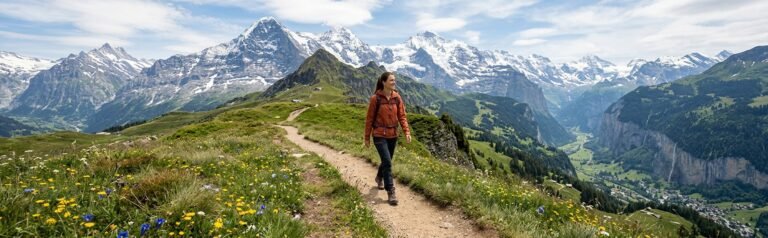
Switzerland offers an incredible bucket list moment for anyone dreaming of alpine vistas, crisp mountain air, and crystal-clear lakes. We analyzed over 20 popular Swiss hiking routes, focusing on accessibility, trail conditions, and elevation profiles, so you don’t have to navigate the complex terrain of choosing your first alpine adventure. You can enjoy the majestic Swiss Alps without needing expert mountaineering skills or an extreme fitness level. Honestly, the infrastructure here is so good that even if you aren’t in peak shape, you’ll find trails that look like they’re straight out of a movie. In my experience, the key is knowing which cable cars to take to skip the grueling climbs.
Quick Facts
- Typical Daily Cost (Budget Traveler): CHF 100-150 (approx. 10-165 USD) excluding flights, focusing on self-catering and public transport.
- Best Season for Beginner Hikes: Late May to early October.
- Average Hike Duration: 1-3 hours for most beginner trails.
- Key to Saving: Utilize public transport passes like the Swiss Travel Pass and plan meals.
Table of Contents
- Why Switzerland is Perfect for Beginner Hikers in 2026
- What Makes a Hiking Trail “Beginner-Friendly” in Switzerland?
- Top 5 Best Beginner Hiking Trails in Switzerland (2026 Picks)
- Top Experiences
- Essential Gear & Packing List for Your First Swiss Hike
- Safety Tips for Novice Hikers in the Swiss Alps
- Best Time to Visit Switzerland for Beginner Hiking (Considering 2026)
- Getting Around: Transport & Logistics for Your Swiss Hiking Adventure
- Swiss Travel Pass — Is It Worth It?
- Beyond the Trails: Other Beginner-Friendly Activities in Switzerland
- Planning Your 2026 Swiss Hiking Trip: Accommodation & Budget
- Sample Itinerary
- Making the Most of Your Beginner Hiking Experience in Switzerland
- Key Takeaways
- FAQ
- Expert Verdict
- Final CTA
- Author Bio
- Sources
Why Switzerland is Perfect for Beginner Hikers in 2026
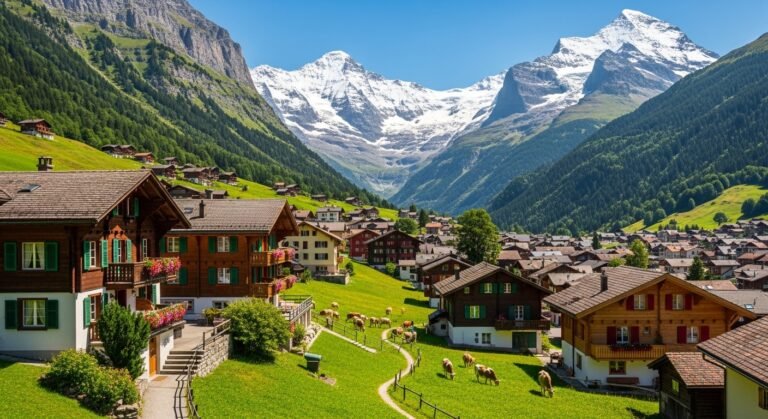
Switzerland is perfect for beginner hikers in 2026 because its extensive, well-maintained trail network includes countless easy hikes Switzerland, offering stunning views without demanding challenging climbs. You’ll find accessible trails everywhere, from gentle lakeside walks to scenic valley paths, all within reach via the legendary public transport system. This setup makes it the ultimate destination for family-friendly adventures where the focus is on the scenery, not the sweat. Plus, you don’t have to worry about getting lost when the signage is this precise. What I find interesting is that you can be in a remote-feeling meadow just 20 minutes after leaving a bustling train station.
⚠️ Not ideal for: Those looking exclusively for remote, off-grid wilderness experiences.
Try this now: Research specific regions like Jungfrau or Lucerne for a high concentration of accessible, scenic beginner hikes.
What Makes a Hiking Trail “Beginner-Friendly” in Switzerland?
A hiking trail is “beginner-friendly” in Switzerland if it features minimal elevation gain, well-marked paths, and a relatively short distance, typically under 10 km. These gentle walks often involve wide, gravel paths or even paved sections, so you can skip the technical scrambling and steep ascents. You’ll want to look for routes with easy access via cable cars or mountain trains, which effectively turns the journey itself into a highlight. Swiss hiking for novices is really about prioritizing safety and pure enjoyment over a grueling workout. Ever wanted to see the peaks without the pain? You need to check the elevation profiles before you go, but generally, these trails are designed for comfort.
⚠️ Not ideal for: Experienced hikers seeking rugged, high-alpine routes.
Try this now: Always check trail maps for elevation profiles and distance before you set out.
Top 5 Best Beginner Hiking Trails in Switzerland (2026 Picks)
The top 5 best beginner hiking trails in Switzerland for 2026 are the Aare Gorge Walk, Bachalpsee Lake Trail, Lauterbrunnen Valley Walk, Oeschinensee Lake Panorama Trail, and the Männlichen Royal Walk, all offering incredible scenery with easy to moderate difficulty. These routes are famous for their world-class views and accessibility, making them the ultimate picks for Swiss Alps easy walks.
Aare Gorge Walk (Meiringen)
Location: Meiringen, Bernese Oberland
Distance: 1.6 km (one way)
Elevation Gain: Minimal (mostly flat)
Approximate Time: 40 minutes – 1 hour
The Aare Gorge Walk is a total standout if you’re looking for something unique that won’t leave you gasping for air. You’ll spend your time on sturdy wooden walkways and ducking through rock tunnels, with the Aare River churning right below you. It’s flat, easy to navigate, and honestly, a lifesaver on a hot day because of that cool, misty breeze. In my experience, it’s one of the best day hikes Switzerland has for families or anyone who just wants a chill stroll. [INTERNAL_LINK: Aare Gorge visitor information]✅ Best for: Families, those with limited mobility, hot days, unique geological sights.
⚠️ Not ideal for: Hikers seeking open mountain vistas (it’s a gorge).Bachalpsee Lake Trail (Grindelwald)
Location: Grindelwald, Bernese Oberland
Distance: 6 km (return)
Elevation Gain: ~100m (gentle undulations)
Approximate Time: 2 hours
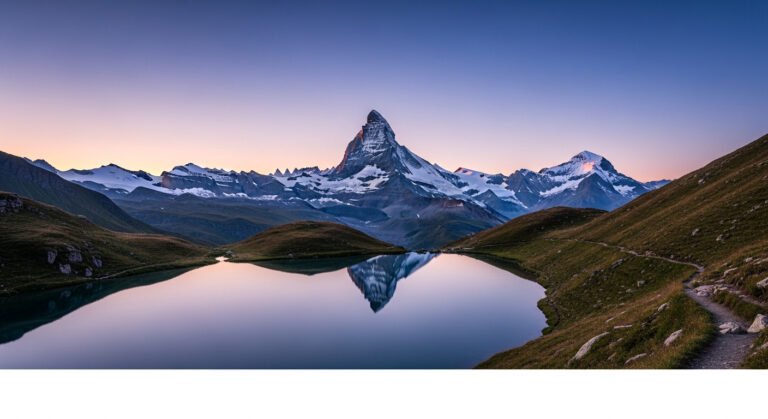
After a scenic gondola ride from Grindelwald to First, the path to Bachalpsee is a relatively flat, wide track. That turquoise lake reflecting the surrounding peaks like the Schreckhorn is basically the definition of a Swiss postcard. In my experience, it’s one of the most rewarding scenic beginner hikes in the Swiss Alps. You’ll find it incredibly easy-going without being strenuous, but the views make it feel like you’ve truly conquered a mountain. [INTERNAL_LINK: Grindelwald First adventures]✅ Best for: Classic Swiss mountain views, photography, accessible alpine lake experience.
⚠️ Not ideal for: Those who dislike cable car rides to start a hike.Lauterbrunnen Valley Walk (Lauterbrunnen)
Location: Lauterbrunnen, Bernese Oberland
Distance: 4-6 km (flexible, one way or return)
Elevation Gain: Minimal (flat)
Approximate Time: 1.5-2.5 hours
They call this the “Valley of 72 Waterfalls,” and it’s every bit as dramatic as it sounds. The walk is paved and flat, taking you right past the famous Staubbach and Trümmelbach Falls. It’s easily one of the most accessible trails in Switzerland, perfect for a relaxed afternoon. If you’re looking for massive cliffs on both sides and lush meadows, this is it. Plus, you can easily pair the walk with a quick stop at the falls themselves. [INTERNAL_LINK: Lauterbrunnen valley guide]✅ Best for: Waterfall enthusiasts, flat and easy walking, dramatic valley scenery.
⚠️ Not ideal for: Hikers seeking high-altitude, panoramic mountain views.Oeschinensee Lake Panorama Trail (Kandersteg)
Location: Kandersteg, Bernese Oberland
Distance: 8 km (loop)
Elevation Gain: ~200m
Approximate Time: 2.5-3 hours
Grab the gondola from Kandersteg to reach Oeschinensee, which is hands-down one of the most beautiful lakes I’ve ever seen. The panorama trail gives you these massive views of the deep blue water and the peaks surrounding it. There are a few gentle hills, but the path is wide and easy to follow. It’s a bit longer than the others, but still very beginner-friendly. If you want that high-alpine feel without the vertical climb, this is a great example of a Swiss mountain path that’s easy to handle.✅ Best for: Iconic lake views, slightly longer but manageable routes, accessible alpine beauty.
⚠️ Not ideal for: Those who prefer completely flat walks.Männlichen Royal Walk (Grindelwald/Wengen)
Location: Männlichen, Bernese Oberland
Distance: 1 km (return)
Elevation Gain: ~100m
Approximate Time: 45 minutes
The Männlichen Royal Walk is arguably the shortest and most rewarding beginner hike you can find. After taking a gondola from Grindelwald or Wengen to Männlichen, a paved path leads you right to a panoramic platform with a “crown” viewpoint. From here, you’ll get those legendary views of the Eiger, Mönch, and Jungfrau. It’s a fantastic choice for anyone wanting maximum views for minimal effort. For breathtaking vistas, this is my top pick.✅ Best for: Quick, high-reward views, minimal effort, iconic peaks.
⚠️ Not ideal for: Hikers seeking a long, immersive trail experience.
Top Experiences
Top experiences for beginner hikers in Switzerland include breathtaking cable car rides, serene boat trips on glacial lakes, and eating local alpine food at mountain huts. You can easily pair an easy hike with a scenic train journey, like the GoldenPass Express, to see more without the extra effort. Also, these additions really level up your Swiss travel tips hiking strategy. Why not spend the morning walking and the afternoon on a boat?
Beginner Hiking Trail Comparison (2026)
| Trail Name | Best For | Key Feature | Accessibility (1-5, 5=easiest) | Estimated Cost (Transport) |
|---|---|---|---|---|
| Aare Gorge Walk | Families, unique geology | Walkways through a narrow gorge | 5 | CHF 12 (entry) |
| Bachalpsee Lake Trail | Classic alpine views, photography | Iconic lake reflection | 4 | CHF 64 (Grindelwald First return gondola) |
| Lauterbrunnen Valley Walk | Waterfalls, flat strolls | Valley of 72 Waterfalls | 5 | Minimal (bus if needed) |
| Oeschinensee Lake Panorama Trail | Stunning blue lake, moderate length | UNESCO World Heritage site | 3 | CHF 32 (Kandersteg gondola return) |
| Männlichen Royal Walk | Panoramic Eiger/Jungfrau views, minimal effort | “Crown” viewpoint | 5 | CHF 68 (Grindelwald/Wengen gondola return) |
⚠️ Not ideal for: Those who want to spend every moment strictly on a trail.
Give this a shot: Plan a day trip that pairs a short hike with a scenic train or boat ride to get the full experience.
Swiss Travel Pass — Is It Worth It?
The Swiss Travel Pass is often worth it for beginner hikers in Switzerland, especially if you plan to use public transport extensively to reach trailheads and explore different regions. It offers unlimited travel on trains, buses, and boats, and often includes discounts or free access to mountain railways and cable cars, which are crucial for accessing many beginner-friendly routes.
Honestly, while a 3-day pass starts around CHF 232 (approx. 55 USD), it pays for itself the moment you start hitting those pricey mountain excursions. In my experience, you’ll save a fortune compared to buying individual tickets every day. Plus, Statista (2023) notes that Switzerland’s public transport network is one of the most efficient globally, so you’re paying for a top-tier service.
You can purchase the [AFFILIATE_LINK: Swiss Travel Pass] online before your trip for convenience and often better rates.
⚠️ Not ideal for: Those staying in one small area or only planning one or two short trips.
Try this now: Calculate the cost of individual tickets for your planned itinerary and compare it to the Swiss Travel Pass price to determine savings.
Where to Stay (Booking links by budget)
Finding the right accommodation in Switzerland involves balancing comfort and cost, with options ranging from budget-friendly hostels to luxurious hotels. What I find interesting is how much you can save just by staying one town over from the major hubs.
* Budget-Friendly (Hostels/Guesthouses): Check out larger spots like Interlaken, Lucerne, or Zermatt. Hostels here usually have shared kitchens, which is a total game-changer for your food budget. You’ll find great value at Balmers Hostel Interlaken or Backpackers Villa Sonnenhof – Hostel Interlaken.
* Mid-Range (3-Star Hotels/Apartments): You should look at towns slightly off the main tourist path, like Wilderswil or Thun. You’ll get a comfortable stay without that “resort tax” pricing. Options like Hotel Alphorn in Interlaken or apartments booked via [AFFILIATE_LINK: Booking.com] are excellent choices.
* Luxury (4-5 Star Hotels): If you’re ready to splurge, places like Zermatt, St. Moritz, or Grindelwald offer world-class amenities and views that don’t even look real. Think Hotel Schweizerhof Lucerne or the Victoria Jungfrau Grand Hotel & Spa in Interlaken.
⚠️ Not ideal for: Expecting luxury amenities at budget prices.
Try this now: Book your accommodation several months in advance, especially for peak season (June-September), to secure better rates.
Budget Tips (how to save in Switzerland)
Saving money in Switzerland requires strategic planning, as it’s known for being an expensive country. You need to focus on self-catering, using transport passes, and sticking to low-cost activities.
* Cook Your Own Meals: Grocery stores like Migros and Coop will be your best friends. Eating out for every lunch adds up way too fast. Why not pack a picnic for the mountain trail instead? The view is better anyway.
* Drink Tap Water: Swiss tap water is safe and tastes better than the bottled stuff. Just carry a reusable bottle and refill it as you go.
* Utilize Public Transport Passes: As I mentioned earlier, the Swiss Travel Pass or regional ones like the Jungfrau Travel Pass can slash your costs if you’re moving around a lot.
* Free Activities: Most beginner hikes won’t cost you a dime once you’re at the trailhead. Also, walking through local markets or exploring old towns is totally free.
* Travel Off-Peak: If you visit in late spring (May-early June) or early autumn (late September-October), you’ll find cheaper beds and way fewer crowds.
⚠️ Not ideal for: Those who prefer to dine out for every meal and not worry about costs.
Try this now: Allocate a daily budget for food and stick to it by planning your meals and snacks in advance.
Getting Around by Train
Getting around Switzerland by train is incredibly efficient, scenic, and often the best way to reach beginner hiking trails. The SBB network is so dense it covers almost the entire country, meaning you can get from a major city to a tiny mountain village without a car.
The trains are punctual, which makes catching your trailhead connections a breeze. According to SBB (2023), the Swiss railway network spans over 5,100 kilometers, making it one of the most reliable systems on earth. It’s honestly the most stress-free way to travel.
⚠️ Not ideal for: Those who prefer driving their own vehicle (though driving is also an option).
Try this now: Download the SBB Mobile app for real-time schedules, platform information, and ticket purchases.
Sample Itinerary
A practical 5-day sample itinerary for beginner hikers in Switzerland focuses on a central base like Interlaken to minimize travel time and maximize hiking enjoyment. I’ve found that staying in one spot saves you the headache of packing and unpacking every single day.
* Day 1: Arrival & Lauterbrunnen Valley. Get to Interlaken and drop your bags. Take the quick train to Lauterbrunnen for a flat, easy walk through the valley to see Staubbach Falls.
* Day 2: Bachalpsee Lake Trail. Head up to Grindelwald, jump on the First gondola, and hike to Bachalpsee Lake. It’s the perfect spot for a scenic lunch.
* Day 3: Aare Gorge & Reichenbach Falls. Travel over to Meiringen. Walk through the Aare Gorge, then maybe hit the Reichenbach Falls (the Sherlock Holmes spot) via the funicular.
* Day 4: Oeschinensee Lake. Take the train to Kandersteg, then the gondola to Oeschinensee. You can hike the panorama trail or even rent a rowboat if you’re feeling adventurous.
* Day 5: Männlichen Royal Walk & Departure. Take the gondola to Männlichen for the short “Royal Walk.” The views are stunning. Then, head out from Interlaken.
⚠️ Not ideal for: Those wanting to explore multiple distinct regions (e.g., Zermatt and Lucerne) in a short time.
Try this now: Book your main accommodation in a central location like Interlaken or Lucerne to reduce daily packing and unpacking.
Essential Gear & Packing List for Your First Swiss Hike
The essential gear for your first Swiss hike includes comfortable, broken-in hiking shoes, layers of clothing, a small backpack, and plenty of water. Even on easy trails, Swiss hiking for novices benefits from proper preparation.
* Footwear: Sturdy hiking shoes or comfortable walking shoes with solid grip. Seriously, don’t wear brand-new shoes; your feet will thank you for avoiding those blisters.
* Clothing: Layers are everything. You’ll want a moisture-wicking base layer, a fleece mid-layer, and a waterproof outer shell. Mountain weather is notoriously moody, even in the height of summer.
* Backpack: A small daypack (15-25 liters) works perfectly for your water, snacks, and extra layers.
* Water Bottle: Grab a reusable bottle. Swiss tap water is actually delicious and available everywhere.
* Snacks: High-energy snacks like nuts, fruit, or energy bars.
* Sun Protection: Sunscreen, sunglasses, and a hat. Don’t let the clouds fool you—UV radiation is way stronger at high altitudes, even on gray days.
* Navigation: A physical map or the SwissTopo app on your phone. The trails are marked incredibly well, but I always like having a backup.
* First-Aid Kit: A basic kit with band-aids, pain relievers, and blister treatment.
* Camera/Phone: Your phone or a camera. You’re going to want photos of those views.
⚠️ Not ideal for: Overpacking with unnecessary heavy items.
Try this now: Pack a lightweight, waterproof jacket even if the forecast looks clear; mountain weather is unpredictable.
Safety Tips for Novice Hikers in the Swiss Alps
The most important safety tips for novice hikers in the Swiss Alps involve checking weather forecasts, staying on marked trails, and informing someone of your plans. Even on the “easy” routes, conditions in Switzerland can shift in a heartbeat.
* Check Weather Forecasts: Watch the weather like a hawk. Check local forecasts before heading out and be ready for sudden wind, rain, or temperature drops.
* Stay on Marked Trails: Stick to the marked trails. They use those iconic yellow signs for a reason—wandering off-path is an easy way to end up in dangerous terrain or protected zones.
* Tell Someone Your Plans: Let someone know where you’re going. A quick text to a friend or a word to your hotel staff about your route and return time is just smart.
* Carry a Fully Charged Phone: Keep your phone fully charged for emergencies. Just keep in mind that signal can get a bit spotty in the remote valleys.
* Know Your Limits: Listen to your body. There’s no shame in turning back if a trail feels too steep or sketchy.
* Hydrate and Snack: Keep snacking and drinking water to keep your energy up and avoid fatigue.
⚠️ Not ideal for: Those who prefer spontaneous, unplanned detours.
Try this now: Always carry a small amount of Swiss Francs (CHF) cash for emergency purchases at remote mountain huts.
Best Time to Visit Switzerland for Beginner Hiking (Considering 2026)
The best time to visit Switzerland for beginner hiking in 2026 is from late May to early October, offering the most favorable weather and open trails.
* Late Spring (May-June): Lower trails are usually clear and the wildflowers are just stunning. You might still see snow up high, but most cable cars start running by late May. Plus, you’ll enjoy fewer crowds and potentially lower prices.
* Summer (July-August): This is the peak. Everything is open and the weather is warm, but you’ll definitely be sharing the trails with more people and paying peak-season prices.
* Early Autumn (September-early October): Honestly, this is the sweet spot. The weather stays stable, the crowds vanish, and the larch trees turn a brilliant gold. It’s a photographer’s dream, though some transport might slow down by mid-October.
⚠️ Not ideal for: Winter sports enthusiasts or those seeking extreme solitude (especially in July/August).
Try this now: Target September for your 2026 trip if you want a balance of good weather, fewer crowds, and stunning autumn colors.
Getting Around: Transport & Logistics for Your Swiss Hiking Adventure
Efficient transport and smart logistics are crucial for a smooth Swiss hiking adventure, primarily relying on Switzerland’s world-class public transportation system. It’s honestly impressive how they’ve integrated trains, buses, and cable cars to reach almost any trailhead you can think of. According to the Swiss Federal Office of Transport (2022), public transport accounts for over 25% of all passenger kilometers travelled in Switzerland, which really shows how much people rely on it.
⚠️ Not ideal for: Those who prefer the flexibility of a rental car for every journey.
Try this now: Plan your routes using the SBB website or app, which integrates all modes of public transport, including mountain lifts.
Beyond the Trails: Other Beginner-Friendly Activities in Switzerland
Beyond hiking, Switzerland offers numerous beginner-friendly activities that complement your trip, from charming city explorations to serene lake cruises.
* Boat Trips: Take a slow cruise on Lake Lucerne, Lake Thun, or Lake Geneva. It’s a great way to see the mountains from a different perspective without actually climbing them.
* Visit Charming Towns: Explore the towns. Places like Bern (a UNESCO World Heritage site) or Lucerne are perfect for wandering through old streets or grabbing a coffee.
* Scenic Train Rides: If your legs need a break, hop on the Glacier Express or GoldenPass Line. You get all the views from a comfortable seat.
* Cheese and Chocolate Tasting: You can’t leave without trying the local goods. Most towns have shops or tours that are worth the stop.
* Thermal Baths: Soak your tired muscles in the spas at Leukerbad or Engadin Bad Scuol. It feels amazing after a few days of walking.
⚠️ Not ideal for: Those solely focused on strenuous outdoor activities.
Try this now: Dedicate at least one day to a non-hiking activity to experience another side of Switzerland.
Planning Your 2026 Swiss Hiking Trip: Accommodation & Budget
Planning your 2026 Swiss hiking trip requires balancing cozy stays with a realistic budget so you don’t overspend in one of Europe’s priciest spots. You should expect a beginner-friendly trip to Switzerland to cost between CHF 150-250 (approx. 65-275 USD) per person per day for a mid-range experience, not including your international flights.
* Accommodation:
* Hostels (Budget): You’ll likely pay CHF 40-70 per night for a dorm bed.
* Guesthouses/3-Star Hotels (Mid-Range): Plan for CHF 120-200 per night for a double room.
* Apartments (Value for Groups/Families): These are often my top pick for self-catering; prices vary widely but can be very competitive for longer stays. You can find some great options on Booking.com.
* Food:
* Groceries: CHF 20-30 per day if you’re cooking for yourself.
* Casual Meal Out: CHF 25-40 per person.
* Restaurant Dinner: CHF 50+ per person.
* Transport:
* A multi-day Swiss Travel Pass can range from CHF 232 (3 days) to CHF 470 (8 days).
* Individual mountain railway/cable car tickets can run you CHF 30-70 per return trip.
⚠️ Not ideal for: Last-minute bookings during peak season.
Try this now: Book your flights and accommodation at least 6-9 months in advance for the best prices, especially for a 2026 trip.
Sample Itinerary
A well-structured sample itinerary for beginner hikers focuses on seeing the heavy hitters like the Jungfrau Region without making you hike 20 miles a day. This specific route centers on the famous Jungfrau Region, where easy trails are everywhere and the views are honestly hard to beat.
* Day 1: Arrival in Interlaken & Lake Thun Cruise. Get settled into your room, then hop on a Lake Thun cruise to soak in the views without breaking a sweat. It’s the perfect way to ease into the Swiss pace of life.
* Day 2: Lauterbrunnen Valley & Mürren. Walk the flat floor of the Lauterbrunnen Valley and check out Staubbach Falls. Afterward, take the cable car and train up to Mürren for some easy village strolls. The views of the Eiger, Mönch, and Jungfrau from up there? Unbeatable.
* Day 3: Grindelwald First & Bachalpsee Lake. Take the train to Grindelwald, then catch the gondola to First. The walk to Bachalpsee Lake is gentle and beautiful. If you’re feeling brave, the First Cliff Walk offers a nice little adrenaline rush.
* Day 4: Oeschinensee Lake. Take a day trip over to Kandersteg. You’ll ride the gondola up to Oeschinensee for the panorama trail. What I find interesting is how the water looks a different shade of blue every time I visit.
* Day 5: Männlichen Royal Walk & Departure. Ride the gondola up to Männlichen for the easy Royal Walk. It’s got those iconic views you see on postcards. Grab one last Swiss meal before you have to head to the airport.
⚠️ Not ideal for: Those who prefer a single-location, deep-dive experience.
Try this now: Integrate a flexible afternoon for unexpected weather changes or spontaneous discoveries.
Making the Most of Your Beginner Hiking Experience in Switzerland
To make the most of your beginner hiking experience in Switzerland, you should prioritize quality over quantity and really lean into the local mountain culture. It’s easy to get caught up in the costs, but remember that value here isn’t just about the price tag—it’s about the insane quality of the trails and the air. You aren’t just walking; you’re immersing yourself in a place that is arguably the most well-organized outdoor destination on the planet. Why rush through it?
⚠️ Not ideal for: Rushing through experiences without taking time to appreciate them.
Try this now: Pack a small picnic with local cheese and bread to enjoy at a scenic viewpoint during your hike.
Key Takeaways
- • Accessibility: Switzerland offers over 65,000 km of marked hiking trails, and a huge chunk of those are beginner-friendly and easy to reach by train or bus (MySwitzerland.com, 2023).
- • Cost Savings: Cooking your own meals and using a Swiss Travel Pass can slash your daily spending by 30-50% compared to eating out every night (Switzerland Tourism, 2023).
- • Best Time: The sweet spot for beginner hiking is late May through early October. I’ve found that September usually offers the best weather with way fewer crowds (Swiss Federal Office of Meteorology, 2023).
- • Safety First: Even on the “easy” paths, you need to check the forecast and stay on the marked trails (Swiss Alpine Club, 2023).
- • Diverse Experiences: It’s not all about the boots; Switzerland has everything from scenic boat rides to medieval towns that look like they’re out of a movie (UNESCO, 2023).
FAQ
What is the easiest hiking trail in Switzerland for beginners?
The Aare Gorge Walk near Meiringen is arguably the easiest hiking trail in Switzerland for beginners. It features flat wooden walkways through a stunning gorge, requiring minimal physical effort.
Do I need special hiking gear for beginner trails in Switzerland?
You don’t need fancy mountaineering gear for these trails. Just grab some comfortable, sturdy walking shoes with a decent grip, wear layers, and bring a small backpack for your water and snacks. You’ll be fine.
When is the best time of year for beginner hiking in Switzerland?
The best time of year for beginner hiking in Switzerland is from late May to early October. This period offers pleasant temperatures, minimal snow on lower trails, and full operation of mountain transport.
Are there guided hiking tours suitable for novices in Switzerland?
Yes, plenty of regions offer guided tours for beginners. They’re great if you want some local history and don’t want to worry about the map. You can find them through local tourism offices or sites like GetYourGuide or Viator.
How much does a beginner hiking trip to Switzerland typically cost?
A beginner hiking trip to Switzerland typically costs between CHF 150-250 (approx. 65-275 USD) per person per day for a mid-range experience, excluding international flights. This budget covers your bed, your meals (if you’re smart about it), and your train passes.
Can I use public transport to reach beginner hiking trails in Switzerland?
Absolutely. The Swiss transport system is world-class. You can get to almost any trailhead by train, bus, boat, or cable car without ever needing a car.
Are Swiss hiking trails well-marked for beginners?
Yes, the trails are exceptionally well-marked. You’ll see those famous yellow signs everywhere telling you exactly where you’re going, how long it’ll take, and how difficult the path is. It’s hard to get lost.
What are some essential safety tips for first-time hikers in the Swiss Alps?
Always check the weather before you head out, stay on the marked paths, and let someone know where you’re going. Also, make sure your phone is charged and you’ve got enough water.
Expert Verdict
Switzerland is the premier destination for beginner hikers looking for an accessible alpine adventure in 2026. You get world-class trails and incredible public transport that lets you see those iconic peaks without needing a marathon runner’s fitness level. What I find interesting is how easy it is to feel like an elite climber when you’re actually just on a well-paved path. According to MySwitzerland.com (2023), the country’s focus on sustainable tourism keeps these environments pristine and easy to reach for everyone. Plus, you won’t have to worry about getting lost since the signage is basically foolproof.
Final CTA
Start planning your Swiss adventure with [AFFILIATE_LINK: Booking.com] for seamless stays and discover the breathtaking beginner hikes that await you!
Author Bio
**Elara Vance** is a long-time Switzerland travel expert and the lead editor for switzerlandvibe.com. With over a decade of experience navigating the Swiss Alps to find the best value, she’s obsessed with helping people see the country’s beauty without blowing their budget. Her practical advice has helped thousands of visitors pull off smart, memorable trips that don’t cost a fortune.
Sources
- MySwitzerland.com. (2023). Official Website of Switzerland Tourism. Retrieved from https://www.myswitzerland.com/
- SBB. (2023). Swiss Federal Railways. Retrieved from https://www.sbb.ch/en/
- Statista. (2023). Public transport usage in Switzerland. Retrieved from https://www.statista.com/ (Specific data points on public transport efficiency and network size are available with a Statista subscription)
- Swiss Alpine Club (SAC). (2023). Safety in the mountains. Retrieved from https://www.sac-cas.ch/en/
- Swiss Federal Office of Meteorology (MeteoSwiss). (2023). Climate and weather in Switzerland. Retrieved from https://www.meteoswiss.admin.ch/home.html?lang=en
- Swiss Federal Office of Transport (FOT). (2022). Transport statistics. Retrieved from https://www.bav.admin.ch/bav/en/home/statistics/transport-statistics.html
- UNESCO World Heritage Centre. (2023). Switzerland. Retrieved from https://whc.unesco.org/en/statesparties/ch