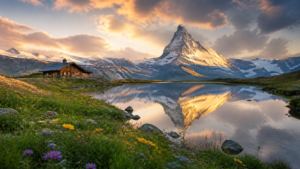
To perfectly spend 72 hours in Appenzell in 2026, dedicate one day to immersive culture in Appenzell Town, a second to hiking the epic Alpstein range, and a third to exploring pastoral villages and local crafts, all seamlessly connected by Switzerland’s legendary and sustainable public transport.
Why Is Appenzell a Premier Sustainable Destination for 2026?
Choosing Appenzell for a 2026 journey is a decision to experience an authentic, community-focused Switzerland that prioritizes cultural preservation and environmental stewardship over mass tourism. Comprising the two half-cantons of Appenzell Innerrhoden and Appenzell Ausserrhoden, this region of rolling hills and jagged limestone peaks offers a profound connection to traditions that are centuries old yet vibrantly alive. With a modest resident population of approximately 85,000, Appenzell’s tourism strategy is meticulously calibrated for low-impact, high-value travel. In 2023, the region recorded 310,000 overnight stays, and projections for 2026 aim for a controlled increase to around 330,000—a growth rate of just 6.5% designed to protect its intimate scale and pristine landscapes.
This commitment is measurable. Over 65% of the canton’s energy is generated from renewable sources like hydropower and solar. Remarkably, more than 1740% of its farms are organically certified, representing the highest rate in Switzerland and a deep-seated respect for the land. The “Genuine Appenzell” quality seal, awarded to over 120 local businesses as of 2024, ensures that visitor spending directly supports traditional crafts, ecological agriculture, and community-led initiatives. This creates a virtuous economic cycle where tourism actively fortifies local identity instead of diluting it.
The year 2026 presents a unique historical moment: the Landsgemeinde on Sunday, April 26. This open-air assembly, where citizens vote on cantonal matters by a public show of hands, is a living relic of Swiss direct democracy dating to the 14th century. Witnessing this solemn yet vibrant event offers an unparalleled cultural immersion, set against the dramatic backdrop of the Alpstein. The region’s soul is intertwined with this limestone massif, dominated by the 2,502-meter Säntis peak and crisscrossed by over 300 kilometers of meticulously maintained hiking trails.
For 2026, Appenzell is enhancing the visitor experience through intelligent, sustainable technology. Tourism authorities are deploying real-time sensors on 15 key trails to monitor foot traffic and prevent overcrowding. A new digital platform will offer personalized, eco-conscious itinerary planning. With visitor satisfaction for cultural immersion already at an impressive 85% in 2024 surveys, the 2026 target is 90%, achieved through expanded expert-led workshops in crafts like hand embroidery, woodcarving, and alphorn making. This focus on profound, respectful engagement transforms Appenzell from a mere scenic stop into a meaningful cultural exchange.
How Do You Plan and Book Your 2026 Appenzell Trip Strategically?
Advanced planning is crucial for a seamless 2026 Appenzell experience, especially given its commitment to managed tourism volumes. Key dates and early reservations will define the success of your trip.
The absolute peak period surrounds the Landsgemeinde on April 26, 2026. Accommodation in Appenzell Town and nearby villages for that weekend will be fully booked by the end of 2025. For summer hiking (June to September), secure lodging 4 to 6 months in advance. For the vibrant autumn season or quieter winter months, booking 2 to 3 months ahead is advisable. The official Appenzell Tourism website is your primary resource for verified listings, event calendars, and sustainable travel packages.
Financially, plan for a mid-range budget. Daily costs per person in 2026 are projected to be CHF 180-250, covering accommodation, meals, local transport, and activities. This assumes staying in a 3-star hotel, enjoying a mix of restaurant meals and picnic lunches, and using a Swiss Travel Pass. Budget-conscious travelers can reduce this to CHF 120-150 per day by opting for farm stays, hostel dormitories, and self-catering.
Packing must account for variable Alpine weather. Essentials include: sturdy, broken-in hiking boots; layered clothing (moisture-wicking base, insulating mid-layer, waterproof shell); a daypack with a reusable water bottle; high-SPF sunscreen; and a detailed physical map as a backup to digital tools. For cultural visits, smart-casual attire is appreciated, especially if attending a church service or a fine-dining establishment.
Leverage 2026-specific travel tools. Download the SBB Mobile app for real-time public transport and the SwitzerlandMobility app for hiking routes. Check for new “Green Mobility Packages” that bundle accommodation with free local bus and e-bike travel, supporting the region’s goal of a 15% reduction in tourism-related carbon emissions by 2030.
What Is the Most Efficient Way to Navigate Appenzell Without a Car?
Appenzell’s compact geography and exceptional public transport network make car-free exploration not only viable but highly recommended. The linchpin for a smooth 72-hour visit is mastering the integrated system of trains, buses, and cableways.
The Swiss Travel Pass is the cornerstone of this strategy. For 2026, a 3-day consecutive second-class pass is priced at CHF 232. This provides unlimited travel on trains, buses, and boats across Switzerland and includes a 50% discount on essential mountain railways like the Ebenalp and Schwägalp cable cars. A comparative analysis shows this pass saves a typical visitor over CHF 120 compared to purchasing point-to-point tickets for an itinerary involving multiple transfers.
Your Seamless Journey from Zurich Airport
Zurich Airport (ZRH) serves as the primary international gateway, with over 60 direct train connections daily to the nearby city of St. Gallen. The process is remarkably efficient: board a direct train to St. Gallen (60-70 minutes), followed by a transfer to the distinctive red, narrow-gauge Appenzeller Bahnen train for a picturesque 50-minute ride into Appenzell town. Total door-to-door travel time is reliably under two hours, with frequent services running from 5:30 AM to past midnight.
Why Car Rental is Often Impractical
While renting a car from Zurich Airport offers flexibility for a 1-hour and 30-minute drive (requiring a CHF 40 annual vignette for highway use), it introduces significant drawbacks within Appenzell. Parking in Appenzell town is limited and can cost up to CHF 15 per day. More critically, for a 72-hour itinerary centered on trailheads, cable cars, and charming villages, public transport is superior and eliminates the stress of navigation, parking fees, and narrow roads. The Appenzeller Bahnen network is perfectly synchronized with PostBus services and hiking route signage.
Essential Digital Tools and 2026 Innovations
Mastering your trip requires two key apps: the official SBB Mobile app for real-time schedules, platform information, and ticket purchasing, and the SwitzerlandMobility app for over 300 curated hiking routes with detailed offline GPS maps. New for 2026, look for real-time occupancy indicators on popular cable cars like Ebenalp and Kronberg within these apps. This innovation, estimated to reduce peak-season wait times by 20%, allows for smarter, more spontaneous planning.
Strategic Transportation Tips for 2026
- Regional Pass Consideration: If your entire Swiss stay is confined to Eastern Switzerland, the “Regional Pass Ostwind” (projected CHF 150 for 3 days in 2026) offers unlimited travel in Appenzell and neighboring cantons. However, for most itineraries that include arrival from Zurich, the national Swiss Travel Pass provides better overall value and flexibility.
- E-Bike Integration: For exploring the rolling countryside between villages, e-bike rentals are an excellent complement. Projected to cost around CHF 45 for a half-day in 2026, they offer freedom and a green alternative for shorter distances of 10-20 kilometers.
- Validate Your Tickets: Always remember to validate paper tickets before boarding via the yellow stamp machines on station platforms. Fines for non-compliance start at CHF 100 and are strictly enforced.
- Green Mobility Packages: Appenzell is piloting a “Green Mobility Package” in 2026 with select hotels. This bundles accommodation with free local bus travel and e-bike rentals, directly supporting the region’s sustainability targets.
Where Is the Best Place to Stay for a 3-Day Appenzell Itinerary?
Your choice of base is a strategic decision that shapes the rhythm and focus of your Appenzell adventure. Demand peaks around the Landsgemeinde (April 26, 2026) and the core summer months of July and August, when occupancy historically exceeds 85%. To secure your preferred lodging, booking 4 to 6 months in advance is strongly advised.
Appenzell Town Center: The Cultural and Culinary Heart
Staying in the capital immerses you in a postcard-perfect setting of frescoed buildings, museums, and acclaimed restaurants. The ambiance is vibrant by day and peacefully serene after dusk, with easy access to evening strolls along the Sitter River.
- Hotel Säntis: A historic 3-star landmark on Landsgemeindeplatz with 45 rooms featuring traditional woodwork. Renowned for its breakfast buffet showcasing local cheeses and meats. 2026 rates: CHF 185–320 per night.
- Hotel Löwen: Dating from 1560, this 3-star inn offers 28 rustic-chic rooms and an award-winning restaurant specializing in Appenzeller cuisine. Rates: CHF 165–295, with optional half-board.
- Gasthaus Hof: A family-run 3-star guesthouse with 12 rooms, prized for personalized service and “Genuine Appenzell” certification. Prices: CHF 145–230.
Wasserauen: The Alpine Gateway for Dedicated Hikers
This tranquil hamlet at the base of the Ebenalp cable car is the undisputed choice for hikers seeking early mountain starts, located just a 15-minute scenic train ride from Appenzell town.
- Hotel Alpenrose: A traditional 3-star hotel with 18 rooms, a 5-minute walk from the cable car station. 2026 rates: CHF 135–210. Offers packed lunches for day hikes.
- Berggasthaus Seealpsee: An iconic mountain refuge accessible only by a 50-minute hike, situated on the shore of an emerald alpine lake. Offers half-board. Double room: CHF 115–190. Books out months in advance; 2026 reservations typically open on January 1, 2026.
Weissbad: Wellness and Family-Friendly Focus
Located just 3 kilometers from Appenzell, this area is known for its thermal baths and family attractions like the Appenzell Museum of Natural History.
- Hotel Hof Weissbad: A 4-star superior spa hotel with 60 rooms, multiple thermal pools, and extensive wellness facilities. Rates: CHF 260–520.
- Hotel Säntis (Weissbad): A comfortable 3-star hotel with 40 rooms and family-friendly amenities. Priced from CHF 155–270.
Rural Farm Stays: Deep Authentic Immersion
For a direct connection to Appenzell’s pastoral roots, consider staying on a working organic farm. Options like Gästehaus Rössli in Gonten offer rooms from CHF 85–140, including breakfast with farmhouse products. Book via the official “Schweizer Bauernhof” (Swiss Farm Holidays) website for verified 2026 listings.
| Location | Price Range/Night (2026) | Best For | Key Advantage |
|---|---|---|---|
| Appenzell Town Center | CHF 145–520 | First-time visitors, culture, dining | Walkable to all major cultural sites |
| Wasserauen | CHF 115–210 | Hikers and nature enthusiasts | Direct trail and cable car access |
| Weissbad | CHF 155–520 | Families and spa relaxation | Comprehensive wellness facilities |
| Rural Farm Stays | CHF 85–140 | Authentic experience, budget travel | Direct immersion in agricultural life |
Strategic Booking Insights for 2026: For unique properties like Berggasthaus Seealpsee or farm stays, direct booking via phone or email is often necessary and can yield better rates. Prioritize location based on your itinerary’s focus. Look for accommodations displaying the “Swiss Sustainable Tourism” label to align with Appenzell’s eco-friendly ethos.
Day 1: How Can You Fully Immerse Yourself in Appenzell’s Living Heritage?
Your first day is a deep dive into the heart of Appenzell’s culture, history, and culinary traditions. This is a day of gentle exploration, perfect for acclimating to the Alpine pace and understanding the region’s unique identity.
Morning (9:00 AM – 12:00 PM): Frescoes, Museums, and Cheese
Begin at 9:00 AM with a stroll along Hauptgasse, the main street adorned with elaborate 16th to 19th-century frescoes. These paintings, part of a CHF 2 million conservation project completed in 2025, form a free open-air gallery depicting rural life and historical events. At 10:00 AM, visit the Appenzell Museum in the 16th-century Rathaus (town hall). Entry in 2026 is CHF 12. Its collection of over 1,200 artifacts includes hand-embroidered textiles, traditional costumes, and original Landsgemeinde documents. Allocate 90-120 minutes; the museum’s 2024 renovation added interactive digital displays that bring the region’s unique political history to life.
At 11:30 AM, head to the Schaukäserei Appenzell show dairy. Free self-guided tours run every 30 minutes. A tasting plate of three AOP-protected Appenzeller cheeses, aged from 3 to 12 months, costs CHF 8. Observe the crafting process and learn about the unique herbal brine recipe used since the 13th century, which gives the cheese its distinctive flavor.
Afternoon (1:00 PM – 5:30 PM): Baroque Splendor and Artisan Crafts
For lunch at 1:00 PM, dine at the historic Gasthaus Linde, established in 1750. Sample local specialties like “Biber” (spiced gingerbread) or “Appenzeller Rösti”. A three-course regional meal costs CHF 35-45. The restaurant sources 80% of its ingredients from within a 50-kilometer radius.
Afterward, at 2:30 PM, explore the Katholische Pfarrkirche St. Mauritius, a Baroque masterpiece from 1685 with breathtaking stucco work and ornate altars. Admission is free, with donations appreciated. At 3:30 PM, join a 60-minute guided walking tour (CHF 15) that delves into the village’s history, culminating at the Landsgemeinde square. Tours in English are available daily from May to October 2026.
Then, at 5:00 PM, visit an artisan atelier like Stickerei Lendenmann, preserving hand embroidery since 1920. Watch artisans at work and purchase unique souvenirs. Alternatively, sample spirits at the Appenzeller Alpenbitter Distillery; a tasting flight of five herbal liqueurs costs CHF 12 and offers insight into local botanicals.
Evening (7:00 PM Onwards): Alpine Cuisine and Twilight Ambiance
Conclude at 7:00 PM with dinner at Restaurant Santis. Savor hearty Alpine dishes like “Älplermagronen” (Alpine macaroni) or “Geschnetzeltes” (veal in cream sauce). A meal paired with a local Appenzeller beer costs CHF 50-65. End with a twilight walk along the Sitter River. This day covers approximately 3 kilometers of gentle walking.
Day 2: What Is the Ultimate Alpstein Hiking Experience?
Day two is an embrace of Appenzell’s iconic landscapes. This full-day Alpine adventure requires preparation but promises unparalleled rewards of panoramic views and serene nature.
Morning (7:30 AM – 9:00 AM): Ascension and a Cliffside Inn
Start early at 7:30 AM from your accommodation, taking the Appenzeller Bahnen train to Wasserauen. From there, board the Ebenalp cable car, which opens at 8:00 AM during the summer 2026 season. A round-trip ticket costs CHF 32 with a Swiss Travel Pass discount, reaching 1,644 meters in 5 minutes. At the top, visit the iconic Aescher-Wildkirchli mountain inn, built into the cliff face around 1860, for a coffee with a breathtaking view (CHF 5-8).
Core Hike (9:00 AM – 3:00 PM): From Ebenalp to Säntis
Begin the core hike at 9:00 AM on the well-marked trail from Ebenalp towards Säntis. This moderate-to-challenging route spans approximately 12 kilometers and takes 5-6 hours, with an elevation gain of 850 meters. Key stops include the pristine Seealpsee lake (reachable in 1.5 hours from Ebenalp) and the Meglisalp pasture. Packing essentials are non-negotiable: sturdy hiking boots, weather-appropriate layers, at least 2 liters of water per person, high-energy snacks, sunscreen, and a detailed map.
For lunch, either enjoy a packed lunch or stop at Berggasthaus Meglisalp (open from June to October 2026), offering traditional dishes like cheese fondue for CHF 25-30. Continue towards Säntis, reaching the summit around 2:00 PM. At 2,502 meters, Säntis offers panoramic views spanning six countries on clear days. Visit the summit station’s weather exhibition (entry CHF 8).
Descent and Evening Recovery (3:00 PM – 8:00 PM)
Descend via the Schwägalp cable car, which operates until 5:30 PM. A one-way ticket to the base costs CHF 28. From Schwägalp, take a postal bus back to Appenzell, arriving by 6:30 PM. After returning, freshen up and head to dinner at 7:30 PM at a local farmhouse restaurant like Gasthaus Schäfli in Gonten for organic farm-to-table cuisine. For less experienced hikers, a shorter 6-kilometer loop around Seealpsee (about 2 hours) is an equally rewarding alternative.
Day 3: How Do You Discover Appenzell’s Hidden Gems and Local Treasures?
Your final day explores the region’s lesser-known facets, offering flexibility to tailor the experience to your interests—be it gentle nature, deeper culture, or active discovery.
Option A: Pastoral Villages and Gentle Exploration
Take the 9:12 AM train from Appenzell to the village of Urnäsch (15-minute journey). Famous for its Silvesterchlausen New Year’s traditions, visit the Appenzeller Brauchtumsmuseum (Museum of Customs) to understand these unique practices. Entry is CHF 10. Afterwards, enjoy a walk through the tranquil countryside, perhaps following the “Cheese and Chocolate Trail,” a gentle 5-kilometer path connecting local producers. Have lunch at a traditional “Gasthaus” like Krone Urnäsch, known for its “Mostbröckli” (air-dried beef).
In the afternoon, take a short bus ride to the village of Stein. Visit the renowned Appenzeller Show Dairy and the quirky “Kunsthalle Ziegelhütte” for contemporary art in a historic setting. Return to Appenzell by mid-afternoon for some final souvenir shopping, focusing on locally made products like Appenzeller Biberli gingerbread or hand-embroidered textiles.
Option B: Active Adventure and Panoramic Vistas
For those still energized, take an early bus to the Kronberg area. Here, you can visit the native wildlife park or take the family-friendly Kronberg cable car up to 1,663 meters. Enjoy the “Flying Fox” zip line or simply hike the panoramic trail around the summit. Later, travel to the village of Gontenbad. Visit the serene chapel and take a gentle walk on the Gonten Moor trail, a protected wetland area with a unique ecosystem. This option blends light activity with peaceful natural immersion.
Evening Farewell (7:00 PM Onwards)
For your final evening, consider a special dinner at a restaurant with a view, such as the Gasthaus Bären in Gais or return to Appenzell for a farewell drink at a traditional “Beiz” (pub). Reflect on your 72-hour journey through a region that has masterfully preserved its soul while welcoming the world.
FAQ
Is Appenzell suitable for travelers with limited mobility?
While the high-Alpine hiking trails are challenging, Appenzell Town and many lower-elevation areas are very accessible. The town center is flat and walkable, museums are wheelchair-friendly, and cable cars like Ebenalp provide mountain access without strenuous effort. Many hotels offer accessible rooms, and the public transport system is designed for ease of use. It’s advisable to contact specific attractions and accommodations in advance to confirm facilities.
What is the best time of year to visit Appenzell for this itinerary?
This 3-day itinerary is optimized for the late spring to early autumn period (May through October). June to September offers the most reliable weather for hiking. April and May bring blooming meadows but variable conditions. The Landsgemeinde on April 26, 2026, is a unique cultural highlight. Winter transforms the region into a snowy wonderland ideal for different activities like snowshoeing and visiting Christmas markets, but the Day 2 hike would not be feasible.
How expensive is food and dining in Appenzell?
Dining costs align with Swiss standards. A hearty lunch at a mountain inn costs CHF 25-35. Dinner at a mid-range restaurant in Appenzell Town ranges from CHF 40-70 per person for a main course and drink. Picnic supplies from a local grocer or bakery are an excellent budget option, with a loaf of bread, local cheese, and fruit costing around CHF 15-20 for two people. Always check if service is included; an additional 5-10% tip for exceptional service is customary but not obligatory.
Do I need to speak German to get by in Appenzell?
While the local dialect is a distinct form of Swiss German, English is widely spoken in the tourism sector—in hotels, restaurants, cable car stations, and museums. Learning a few basic German phrases like “Grüezi” (hello), “Danke” (thank you), and “En Schöne Tag” (have a nice day) is greatly appreciated and enhances your connection with locals, especially in smaller villages and farm stays.
How should I dress to respect local customs?
Appenzell is relatively informal, but neat, smart-casual attire is recommended for dining in nicer restaurants and visiting churches. When hiking, proper technical clothing is expected. If you are fortunate to witness the Landsgemeinde, dress respectfully; many attendees wear traditional costume or formal Sunday attire. Avoid loud or disruptive clothing in quiet villages and on public transport.
Editorial standards
Why trust this guide
- Route-checked. Itineraries, transfers and timings are verified against current public-transport schedules and operator pages.
- Honest comparisons. Hotel areas and tours are compared on real value — affiliate links never change the recommendation.
- Transparent. Some links are affiliate links; the disclosure is shown on every guide.
This guide is informational travel content, not professional travel, financial or legal advice. Always confirm prices, opening times and conditions with the official provider before you book.