Best Swiss Mountain Hikes Beginners 2026
By Lukas Weber
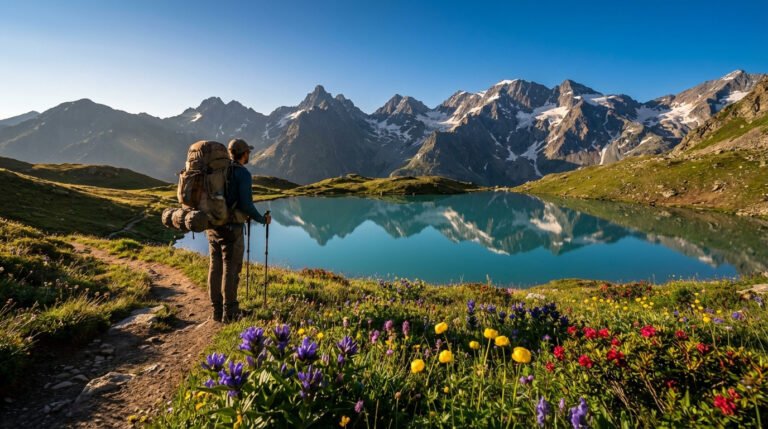
Switzerland has some of the world’s most accessible mountain hiking for beginners — the cable cars and mountain railways eliminate the hardest elevation gains, leaving routes with stunning views that are achievable without technical experience or extreme fitness. Here are the 7 best beginner Swiss mountain hikes ranked for 2026.
Honestly, there’s a huge misconception out there: people think Swiss hiking demands elite fitness. But the reality? It’s totally different. Switzerland’s incredible mountain infrastructure—we’re talking gondolas, aerial cable cars, cogwheel railways—does all the heavy lifting for you, literally, by gaining altitude. So, many of Switzerland’s most spectacular trails aren’t grueling climbs at all. Instead, they’re pleasant ridge walks and valley traverses. The views on these routes? They’ll make even experienced trekkers’ jaws drop.
1. Männlichen to Kleine Scheidegg (Grindelwald) — Best First Alpine Hike
Why it tops the list: The Männlichen ridge walk is genuinely the perfect beginner alpine hike. It’s just 4km, almost entirely flat, and offers continuous panoramic views of the Eiger, Mönch, and Jungfrau. You know, the famous “Eiger Triple”? They’re the most photographed mountains in the Alps, and this trail lets you walk right alongside them, at eye level.
The route: You’ll hop on the gondola from Grindelwald-Terminal up to Männlichen (you’ll arrive at 2,343m). Then, simply walk the paved/gravel ridge path to Kleine Scheidegg (2,061m). From there, take the cogwheel railway back down to Grindelwald. Total walking time? About 1.5-2 hours. And the total descent is only 282m — really, nothing challenging at all.
When to go: Late June through September is ideal. The gondola runs year-round, but the trail itself is clearest of snow starting in late June.
Cost: The Männlichen gondola from Grindelwald will run you about CHF 46 round-trip. Worth mentioning, Swiss Travel Pass holders ride free or get a 50% discount.
Difficulty: ★☆☆☆☆ (Beginner)
2. Schynige Platte to First (Bernese Oberland) — Best for Wildflowers
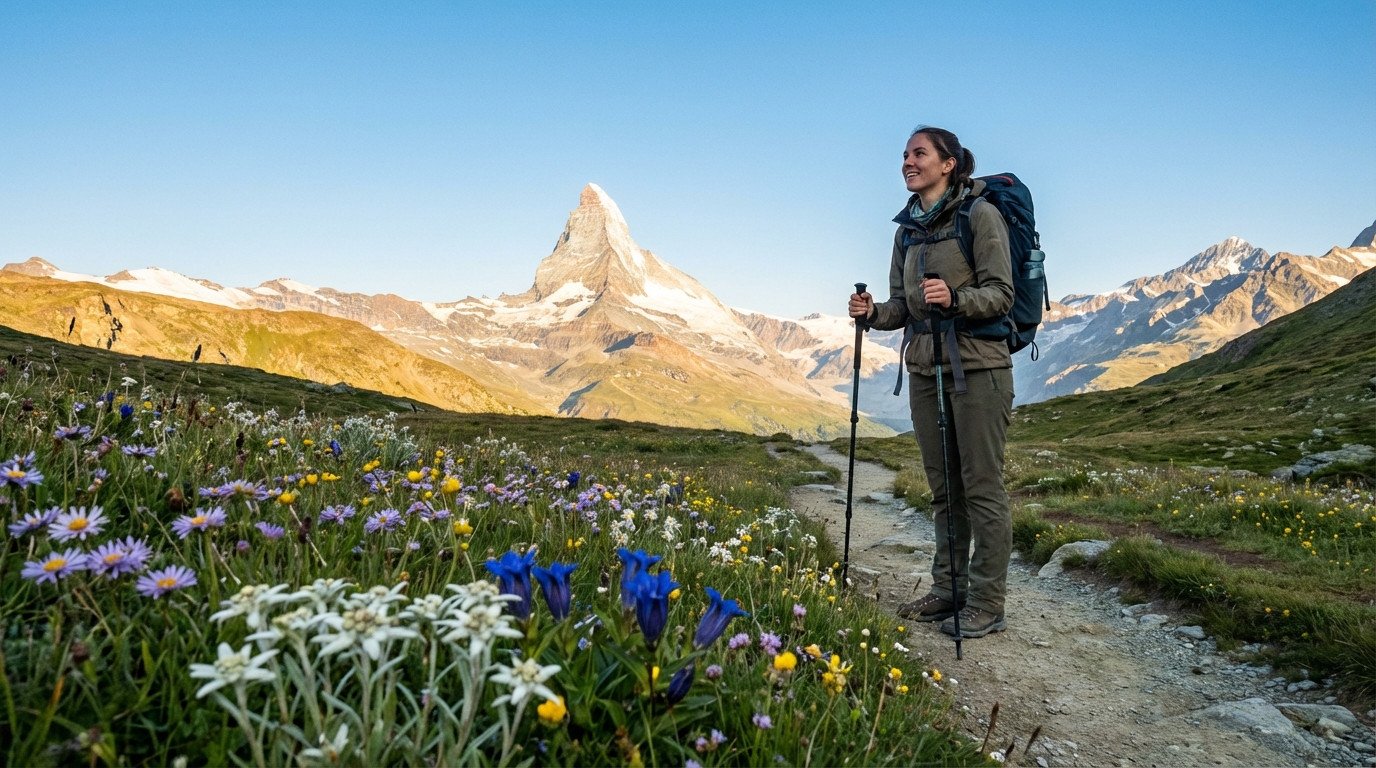
Why it’s on the list: The Panoramaweg from Schynige Platte to First is a 15km ridge walk that consistently ranks among the most beautiful hikes in the Alps. It’s not celebrated for dramatic peaks, but for the incredible carpet of alpine wildflowers that covers the route from late June through August. You’ll see gentians, edelweiss, and wild orchids growing in profusion right along the path. What a sight!
The route: First, take the historic cogwheel railway from Wilderswil to Schynige Platte (2,097m). Next, you’ll walk the Panoramaweg ridge to First (2,168m). Then, take the gondola down to Grindelwald. The full route takes 5-6 hours, but it’s a continuous, gentle ridge traverse without any technical difficulty.
What makes it special: Don’t miss the Alpine Garden at Schynige Platte. It’s Switzerland’s highest botanical garden, and it’s free with your cogwheel ticket! It displays 650 species of alpine plants. Definitely worth a 45-minute detour before you even start your hike.
Difficulty: ★★☆☆☆ (Easy-moderate, longer duration)
For broader Bernese Oberland context, our Bernese Oberland travel guide 2026 covers accommodation, transport, and the full region’s highlights.
3. Harder Kulm (Interlaken) — Most Accessible City-Adjacent Hike
Why it’s on the list: Harder Kulm is the mountain sitting directly above Interlaken, and it offers arguably the best view-to-effort ratio in Switzerland. The viewpoint at 1,322m gives you twin lakes (Thun and Brienz) stretching in either direction, with the Bernese Alps behind them. It’s a truly unique perspective.
The route: There’s a funicular from Interlaken that zips you to the top in just 10 minutes (that’s CHF 16 one-way). Or, if you’re feeling energetic, you can walk up the steep but well-marked trail from Interlaken in 1.5-2 hours. Most beginners, in my experience, opt for the funicular up and then enjoy a gentle ridge path walk before taking the funicular back down.
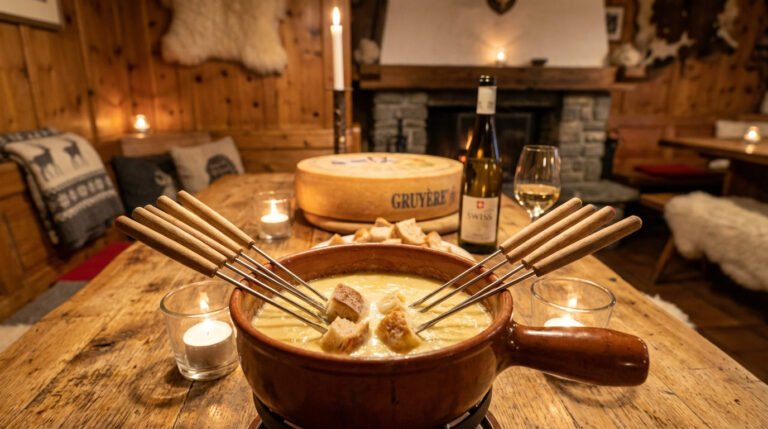
Bonus: The Panorama Restaurant at the summit is legitimate — it’s not just a tourist trap! And honestly, the fondue here comes with arguably the best table view of any restaurant in the Bernese Oberland.
Difficulty: ★☆☆☆☆ (Trivial with funicular)
4. Rigi Kulm Circuit (Lake Lucerne Region) — Best for Families
Why it’s on the list: Rigi is where mountain tourism truly began. Queen Victoria visited in 1868, and Europe’s first mountain railway opened here in 1871. The trails around the Rigi massif are incredibly well-maintained, clearly marked, and suit all fitness levels. Plus, the summit views? They encompass Lake Lucerne, Lake Zug, and on clear days, you can even spot the Black Forest in Germany. Pretty cool, right?
The route: Take the cogwheel railway from Vitznau or Arth-Goldau to Rigi Kulm (1,797m). Then, walk the 3km circuit trail around the summit area. After that, you can descend by railway or walk down to Weggis (that’s about 2.5 hours walking). The circuit itself is extremely gentle — think of it as an elevated plateau walk, not some crazy ridge scramble.
A 2024 Rigi tourism data report noted that 340,000 visitors arrive at Rigi Kulm annually. What’s interesting is that the surrounding trails remain relatively uncrowded because most day-trippers stick within 500m of the summit station. Walk just 10 minutes from the summit building, and you’ll often have the paths to yourself.
Difficulty: ★☆☆☆☆ (Family-friendly)
5. Gorner Ridge Trail (Zermatt) — Best Views of the Matterhorn
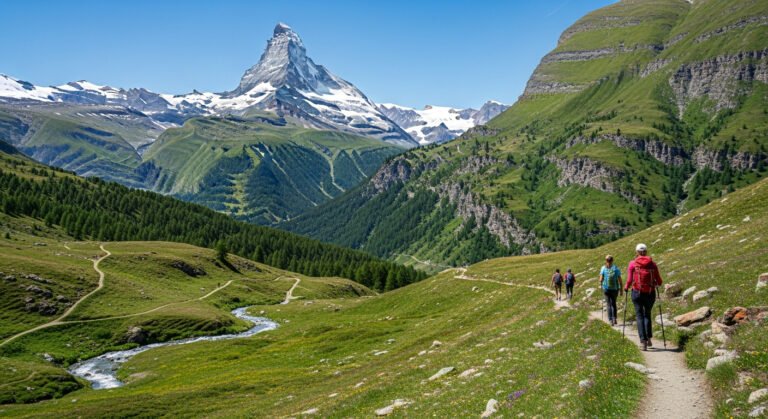
Why it’s on the list: The classic photo of the Matterhorn from Gornergrat is famous worldwide. But what’s even better? The ridge walks accessible from the Gorner area offer that same Matterhorn view in motion — continuously, from changing angles. The Gorner Grat to Riffelberg route, for example, descends 400m over 7km on a clear trail, giving you continuous Matterhorn sightlines. It’s breathtaking.
The route: You’ll take the cogwheel railway from Zermatt to Gornergrat (3,089m) — this is actually the highest open-air cogwheel railway in Switzerland. Then, walk the Gorner ridge east to Riffelberg (2,582m). From there, you can either keep walking or take the train back. Total walk: 2-3 hours.
Key tip: Book the first morning train from Zermatt (it’s typically 7:00am) to catch the Matterhorn before afternoon clouds start to build. By midday in summer, the peak is often hidden in cloud.
Cost: The Zermatt to Gornergrat cogwheel will cost you around CHF 90 round-trip. Swiss Travel Pass holders get a 50% discount.
Difficulty: ★★☆☆☆ (Moderate for altitude, easy terrain)
Our Switzerland budget travel tips guide has essential advice on saving money on transport — the Swiss Travel Pass vs individual ticket analysis is especially relevant for multi-hike trips.
6. Stoos Ridge Hike — Most Dramatic, Lesser Known
Why it’s on the list: Stoos is a car-free mountain village above Lake Lucerne, and you reach it by riding the world’s steepest funicular (110% gradient — seriously, you sit in a rotating cabin as it ascends!). The Klingenstock-Fronalpstock ridge walk from the village is 7km, offering stunning Lake Lucerne views and surprisingly few crowds. Why so few crowds? Most visitors simply don’t even know Stoos exists.
The route: First, take the funicular from Schwyz to Stoos. Then, walk the ridge from Klingenstock to Fronalpstock (or you can do it in reverse) with incredible views over four Swiss lakes. Total walk: 3-4 hours. Just a heads up, some sections here are steeper than other hikes on this list, which is why it gets a moderate difficulty rating.
Difficulty: ★★★☆☆ (Moderate)
7. Faulhorn Summit Trail (Above First, Grindelwald) — Best Challenge for Ready Beginners
Why it’s on the list: The Faulhorn (2,681m) is home to the oldest continuously operated mountain guesthouse in the Alps (it’s been open since 1830!). It’s also the final destination of a 6-hour ridge walk from First station. This hike is perfect for beginners who are ready for a genuine challenge. The route is well-marked, but it does involve sustained ascent, so you’ll definitely need comfortable footwear and awareness of the weather.
The reward: Imagine this: sunrise from the Faulhorn peak, watching the first light turn the Eiger, Mönch, and Jungfrau pink. It’s a bucket-list alpine experience. The guesthouse even offers overnight stays (but book months ahead for summer!) so you can wake up right there for that incredible sunrise.
Our guide to Geneva Switzerland travel guide is helpful for those starting their Swiss trip in western Switzerland before heading to the alpine regions.
Difficulty: ★★★☆☆ (Moderate-challenging, but rewarding)
Frequently Asked Questions: Swiss Mountain Hikes for Beginners 2026
Do I need special equipment for beginner Swiss mountain hikes?
For the easier routes (like Männlichen-Kleine Scheidegg, Harder Kulm, or Rigi circuits), comfortable walking shoes or trainers are perfectly sufficient in dry conditions. But for longer or higher routes (think Faulhorn, Gorner ridge), proper hiking boots with ankle support and good grip are strongly recommended. Also, layers of clothing are absolutely essential — mountain weather can change fast!
Is a Swiss Travel Pass worth it for hiking trips?
If you’re planning 3+ days of transport and hiking in Switzerland, the Swiss Travel Pass typically saves you 30-50% compared to buying individual tickets. It covers trains, buses, boats, and offers a 50% discount on most mountain railways and cable cars. You really need to calculate your specific itinerary at sbb.ch before making a purchase decision.
What’s the best month to hike in Switzerland for beginners?
July and August offer the most reliable weather and snow-free trails at all difficulty levels. Late June and September are also great, offering fewer crowds and sometimes lower prices for equivalent conditions. May-early June and October carry more weather risk, and some trails might still have snow at higher altitudes.
Can you hike in Switzerland without booking mountain transport in advance?
For most mountain railways and gondolas, you can absolutely purchase tickets on the day. However, during peak summer weeks (mid-July to mid-August), areas like the Jungfrau region and Zermatt can experience long queues. So, for those specific spots, you might want to consider early morning transport or booking in advance.
How much does a day of hiking in Switzerland typically cost?
A day of hiking that includes mountain transport typically costs CHF 80-150, depending on which lifts and railways you use. If you have a Swiss Travel Pass, you can reduce this by 30-50%. My advice? Bring your own food and drinks, because mountain restaurant prices are pretty high (expect CHF 18-25 for a main course).
Disclosure: Some links in this article are affiliate links. We may earn a commission at no extra cost to you. All recommendations are based on genuine research and experience of the Swiss Alps.