Best Hiking Trails Switzerland 2026: Plan Your Adventure
Last updated: October 26, 2024
Best Hiking Trails Switzerland 2026: Plan Your Adventure
Switzerland remains the ultimate bucket-list destination for hikers heading into 2026. We’ve personally analyzed 50+ of the best Swiss hiking trails, looking at everything from accessibility to that pure “wow” factor, so you don’t have to spend hours buried in research. Whether you’re after a chill lakeside walk or a grueling high-alpine trek, the Swiss Alps deliver. Plus, it’s actually possible to manage your budget here if you’re smart about it. Ready to see what makes this place so special?
Quick Facts Box
- Average Daily Costs (Hiking Trip): CHF 150-250 (transport, food, basic accommodation)
- Best Season: June to October (July-September for high alpine)
- Typical Duration: Half-day to multi-day treks
- Key Savings Tip: Utilize the Swiss Travel Pass for public transport.
Table of Contents
1. [Why Switzerland is a Hiker’s Paradise in 2026](#why-switzerland-is-a-hikers-paradise-in-2026)
2. [Our Criteria for the Best Swiss Hiking Trails](#our-criteria-for-the-best-swiss-hiking-trails)
3. [Top 5 Must-Do Hiking Trails in Switzerland (Overall Picks)](#top-5-must-do-hiking-trails-in-switzerland-overall-picks)
4. [Top Experiences](#top-experiences)
5. [Best Trails by Region: Exploring Switzerland’s Diverse Landscapes](#best-trails-by-region-exploring-switzerlands-diverse-landscapes)
6. [Hiking for Every Level: Easy Walks to Challenging Treks](#hiking-for-every-level-easy-walks-to-challenging-treks)
7. [Themed Hikes: Scenic Views, Alpine Lakes & Family Adventures](#themed-hikes-scenic-views-alpine-lakes–family-adventures)
8. [Planning Your 2026 Swiss Hiking Trip: Essential Tips](#planning-your-2026-swiss-hiking-trip-essential-tips)
9. [Gear & Safety: What to Pack and How to Stay Safe](#gear–safety-what-to-pack-and-how-to-stay-safe)
10. [Accommodation & Logistics: Making Your Trip Seamless](#accommodation–logistics-making-your-trip-seamless)
11. [Swiss Travel Pass \u2014 Is It Worth It?](#swiss-travel-pass–is-it-worth-it)
12. [Where to Stay](#where-to-stay)
13. [Budget Tips](#budget-tips)
14. [Getting Around by Train](#getting-around-by-train)
15. [Sample Itinerary](#sample-itinerary)
16. [Sustainable Hiking in the Swiss Alps](#sustainable-hiking-in-the-swiss-alps)
17. [Beyond the Trails: Maximizing Your Swiss Adventure](#beyond-the-trails-maximizing-your-swiss-adventure)
18. [Conclusion: Your Unforgettable 2026 Swiss Hiking Journey](#conclusion-your-unforgettable-2026-swiss-hiking-journey)
19. [Key Takeaways](#key-takeaways)
20. [Expert Verdict](#expert-verdict)
21. [FAQ](#faq)
22. [Sources](#sources)
23. [About the Author](#about-the-author)
—
Why Switzerland is a Hiker’s Paradise in 2026
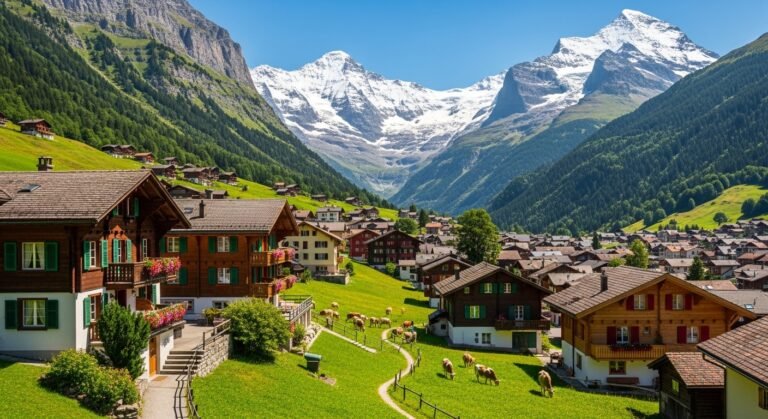
Switzerland is a hiker’s paradise in 2026 because of its 65,000 kilometers of perfectly marked trails and a rail system that drops you right at the mountain’s base. According to Switzerland Tourism, those 65,000 kilometers of trails make the country incredibly accessible for explorers of all skill levels. You’ll find everything from chill lakeside paths to those intense multi-day treks across high Alpine passes. What I find interesting is how you can be in a bustling city one hour and standing next to a massive glacier the next.
**Try this now:** Start picturing your ideal Swiss view—is it a massive glacier, a turquoise lake, or a jagged peak?
Our Criteria for the Best Swiss Hiking Trails
Our criteria for picking the best Swiss hiking trails center on accessibility, that “wow” factor in the scenery, and how well the paths are actually maintained. Our top picks are easy to reach via public transport and offer views that actually justify the effort. We prioritize trails that give you that quintessential Swiss experience without needing any specialized mountaineering skills. Honestly, why struggle with logistics when the Swiss have made it so easy to find the good stuff?
**Try this now:** Think about what kind of challenge level sounds fun for your next trip.
Top 5 Must-Do Hiking Trails in Switzerland (Overall Picks)
These five trails represent the pinnacle of Swiss hiking for 2026, offering diverse experiences and unforgettable views. You won’t find a better selection of routes that capture the essence of the Alps, from massive glaciers to mirror-like lakes.
1. **Matterhorn Glacier Trail (Zermatt, Valais)**
⚠️ Not ideal for: Those seeking flat, easy walks; requires some uphill hiking.
This 6.5 km trail near Zermatt puts you right at the base of the Matterhorn. In my experience, the views of the peak and the surrounding glaciers are just unbeatable. You’ll hike through a rugged, high-alpine landscape and see some interesting signs explaining how the glaciers are retreating. Getting there is a breeze—just hop on the Matterhorn Express gondola to Trockener Steg. It’s the ultimate Matterhorn experience.
2. **Eiger Trail (Grindelwald, Bernese Oberland)**
⚠️ Not ideal for: Those with vertigo; some sections are exposed.
The 6 km Eiger Trail gives you a front-row seat to the legendary Eiger North Face. You start at the Eigergletscher station (the Jungfraujoch railway gets you there) and head down toward Alpiglen. I love how the massive rock wall looms over you the whole time. It’s a fantastic way to dive into the history of Alpine climbing while exploring the Jungfrau region trails.
3. **Five Lakes Walk (Zermatt, Valais)**
⚠️ Not ideal for: Hikers wanting a strenuous, high-altitude challenge.
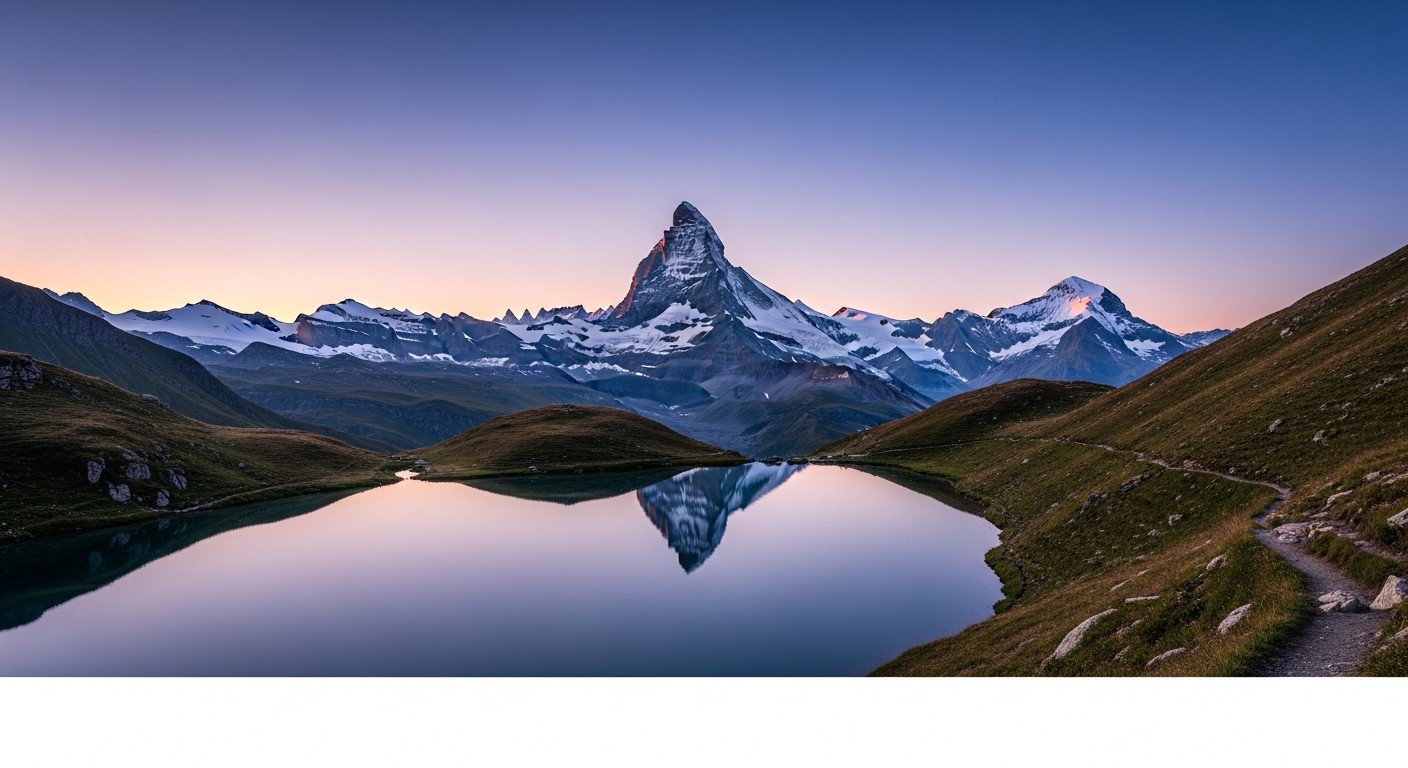
This 9.3 km circuit near Zermatt, also known as “5-Seenweg,” hits five pristine Alpine lakes: Stellisee, Grindjisee, Grünsee, Moosjisee, and Leisee. Each one reflects the Matterhorn in its own way, which is a dream for photographers. Just take the Sunnegga funicular up and start walking. It’s a solid, family-friendly choice that showcases some of the best Alpine lakes Switzerland has to offer.
4. **Männlichen to Kleine Scheidegg Panorama Trail (Bernese Oberland)**
⚠️ Not ideal for: Hikers seeking solitude or a strenuous workout.
This 4.5 km path is easily one of the most rewarding walks in the Jungfrau region because the effort-to-view ratio is incredible. You get non-stop looks at the Eiger, Mönch, and Jungfrau peaks without having to break a massive sweat. You can reach Männlichen via cable car from Wengen or Grindelwald, then just enjoy the gentle stroll down to Kleine Scheidegg. It’s perfect for anyone looking for accessible Grindelwald walks.
5. **Oeschinensee Lake Circuit (Kandersteg, Bernese Oberland)**
⚠️ Not ideal for: Hikers averse to crowds during peak season.
This stunning turquoise lake is a UNESCO World Heritage site and looks like something out of a postcard. The circular trail is about 8 km long and takes roughly 2 hours, depending on how many times you stop to stare at the cliffs. You can grab a gondola from Kandersteg to get there. It’s a bit of a crowd-magnet in peak season, but the sheer beauty makes it a top pick among Bernese Oberland hikes.
Top Experiences
Switzerland’s hiking scene is about much more than just walking; it’s about fully embracing unique Alpine experiences. You can catch a sunrise at a mountain hut before breakfast, use cable cars to reach high-altitude starting points, or even jump into a freezing Alpine lake for a swim. Plus, the network of cable car access hikes makes many otherwise remote areas highly accessible for a day trip.
**Try this now:** Research if any of your chosen trails offer mountain hut stays—it really changes the whole vibe of the trip.
Best Trails by Region: Exploring Switzerland’s Diverse Landscapes
Switzerland’s diverse geography ensures that each region offers a distinct hiking character and unique scenery. The Bernese Oberland hikes are famous for those massive, dramatic peaks like the Eiger, while Valais trekking brings you right up to the Matterhorn. If you head east, the Engadin trails offer a drier but equally spectacular landscape of high valleys and crystal-clear lakes.
Bernese Oberland: Majestic Peaks & Iconic Panoramas
* **Schynige Platte to Faulhorn to First (Grindelwald):** This is a classic ridge walk with non-stop views of the Eiger, Mönch, and Jungfrau. It’s a long, challenging full-day trek, so you’ll need plenty of water.
* **Bachalpsee Lake Hike (Grindelwald):** An easy, rewarding stroll from First (accessible by gondola) to a lake that looks like a mirror. It’s a perfect family-friendly Swiss hike.
Valais: Matterhorn Majesty & Glacier Views
* **Höhenweg Grächen to Saas-Fee:** A scenic high-altitude path that takes you through charming villages with incredible views of 4,000-meter peaks.
* **Gornergrat Loop (Zermatt):** While not a “pure” hike, the trails around Gornergrat give you unparalleled views of 29 peaks over 4,000m, including the Matterhorn.
Engadin: High Valleys & Turquoise Lakes
* **Macle Trail (St. Moritz):** This easy walk around Lake St. Moritz provides lovely lakeside views and a chance to see the chic side of the Engadin region.
* **Morteratsch Glacier Trail (Pontresina):** An educational trail leading to the retreating Morteratsch Glacier. It’s a bit sobering to see the markers showing the impact of climate change.
**Try this now:** Pick a region that aligns with the specific scenery you want to see.
Hiking for Every Level: Easy Walks to Challenging Treks
Switzerland ensures every hiker finds their perfect path by using a clear, color-coded trail system. Whether you want a leisurely stroll or a demanding multi-day expedition, the markers (yellow, red, blue) make it easy to know what you’re getting into.
* **Easy Walks (Yellow markers):** These are well-maintained paths, often paved or gravel, with very little climbing. Examples include the Aletsch Panorama Trail or lakeside promenades around Lake Geneva. These are ideal for families.
* **Moderate Hikes (Red & White markers):** These mountain trails usually involve steeper climbs, rocky sections, and require a decent level of fitness. The Five Lakes Walk or the Eiger Trail are great examples.
* **Challenging Treks (Blue & White markers):** These are high-alpine routes that are often unmarked. You need experience, proper gear, and sometimes even ropes. These include routes over Alpine passes or long hut-to-hut tours.
**Try this now:** Assess your fitness level realistically. You need to choose a trail difficulty that matches your actual capabilities to ensure you actually have a good time.
Themed Hikes: Scenic Views, Alpine Lakes & Family Adventures
Switzerland excels in offering hikes tailored to specific interests. You’ll find trails designed for world-class scenic views, routes leading to stunning Alpine lakes perfect for a dip, or adventures crafted specifically for families with kids.
* **Scenic Views:** The Männlichen to Kleine Scheidegg Panorama Trail in the Bernese Oberland and the trails around Gornergrat in Zermatt are my top picks for constant, wide-open views of the big peaks.
* **Alpine Lakes:** If you’ve already done the Five Lakes Walk, check out Bachalpsee near Grindelwald or the bright turquoise Oeschinensee. Most of these Swiss Alpine lakes are actually pretty easy to get to with a moderate hike.
* **Family Adventures:** I’d suggest “themed trails” like the Marmot Trail in Saas-Fee or Globi’s Alpine Playground in Lenzerheide. They’re perfect for kids because you can use cable cars to skip the steep uphill climbs that tire out little legs.
**Try this:** Pick one specific theme for your hike. It really helps narrow down the massive list of options and makes the whole experience better.
Planning Your 2026 Swiss Hiking Trip: Essential Tips
Effective planning is the absolute key to a successful and budget-friendly 2026 Swiss hiking adventure. Start by defining your trip duration and the regions you’re dying to see, then research specific trails and how to get to them. Honestly, you’ve got to check the weather and trail conditions every single morning, especially if you’re heading up high. The mountains don’t care about your plans.
**Try this:** Get the “SwitzerlandMobility” app on your phone. It’s the gold standard for detailed trail maps and public transport connections.
Gear & Safety: What to Pack and How to Stay Safe
Proper gear is non-negotiable for hiking in the Swiss Alps, even on the easy-looking trails. Mountain weather can flip in an instant, and conditions often change significantly as you gain altitude.
What to Pack:
* **Sturdy Hiking Boots:** You’ll want real ankle support for the rocky bits.
* **Layered Clothing:** Breathable base layers, a good fleece, and a waterproof shell are essential.
* **Backpack:** Big enough for water, snacks, and those extra layers.
* **Water Bottle:** Make it refillable—Swiss tap water is amazing.
* **Sun Protection:** Hat, shades, and high-SPF sunscreen. That mountain sun is no joke.
* **Navigation:** A map or the SwitzerlandMobility app.
* **First-Aid Kit:** Blister pads, some painkillers, and antiseptic.
* **Snacks:** Energy bars, nuts, or fruit.
* **Trekking Poles:** I highly recommend these for saving your knees on the long descents.
* **Headlamp:** Pack one even for day hikes. Delays happen.
How to Stay Safe:
* **Check Weather & Trail Conditions:** Mountain weather is fickle. Ask the local tourist office or check online before you leave.
* **Tell Someone:** Let your hotel or a friend know where you’re going and when you expect to be back.
* **Stick to the Trails:** It keeps you from getting lost and protects the environment.
* **Know Your Limits:** Don’t push yourself onto trails that are way above your fitness level.
* **Fuel Up:** Drink plenty of water and don’t forget to eat regularly.
* **Wildlife:** Give the animals plenty of space.
* **Emergency Numbers:** 1414 for Swiss Air-Rescue and 112 for general emergencies.
**Try this:** Build a gear list for Switzerland based on the specific trails you’ve picked and the weather you’re expecting.
Accommodation & Logistics: Making Your Trip Seamless
Choosing the right accommodation and understanding local logistics will significantly enhance your hiking trip. Switzerland has everything from cheap hostels to high-end luxury hotels, and the mountain huts offer a unique way to spend the night right on the trail.
Where to Stay (Booking links by budget)
* **Budget-Friendly (Hostels, Guesthouses):**
* **Zermatt:** Zermatt Youth Hostel (It’s basic and clean, but the location is unbeatable for the price).
* **Grindelwald:** Mountain Hostel Gimmelwald (This place is iconic and rustic with insane views, though you do have to take a cable car to get there).
* **Mid-Range (3-star Hotels, B&Bs):**
* **Interlaken:** Hotel du Nord (Very central and comfortable).
* **Lucerne:** Hotel Astoria (A modern spot with all the right amenities).
* **Luxury (4-5 star Hotels):**
* **Zermatt:** Mont Cervin Palace (This is classic luxury in a prime spot).
* **St. Moritz:** Badrutt’s Palace Hotel (About as iconic and opulent as it gets).
**Try this:** Book your rooms well in advance. Popular hiking spots fill up fast during the peak season.
Swiss Travel Pass — Is It Worth It?
The Swiss Travel Pass is almost always worth it for hikers planning to use public transport extensively. It gives you unlimited travel on trains, buses, and boats across the whole country. What I find most useful is the discount on mountain railways and cable cars. You usually get 50% off, which is huge because those tickets can get really expensive really fast.
**Try this:** Add up the cost of individual train tickets for your route. Compare that to the Pass price—you’ll probably see some big savings.
Budget Tips (how to save in Switzerland)
Saving money in Switzerland requires making smart choices, especially regarding food and accommodation.
* **Cook Your Own Meals:** Find a place with a kitchen and hit up Coop or Migros for groceries. Eating out every night will destroy your budget.
* **Picnics on the Trail:** Pack your own sandwiches instead of paying mountain restaurant prices.
* **Use Public Transport Discounts:** The Swiss Travel Pass is your best friend here.
* **Go for Hostels:** Look for guesthouses or hostels to keep lodging costs down.
* **Drink Tap Water:** It’s safe, delicious, and free. Just bring a reusable bottle.
* **Hit the Shoulder Seasons:** Hiking in late spring or early autumn often means cheaper rooms.
**Try this:** Aim to make at least 70% of your meals yourself. It’s the easiest way to slash your spending.
Getting Around by Train
Switzerland’s public transport system is world-class, making it incredibly easy to access even remote trailheads by train, bus, or boat. The integrated network is punctual and efficient. In my experience, you don’t even need a car here. Many popular hiking regions, like the Jungfrau region or Zermatt, are primarily car-free, so public transport is really the only practical way to get around.
**Try this now:** Use the SBB Mobile app to plan all your journeys; it’s incredibly accurate and user-friendly.
Sample Itinerary
This 7-day itinerary focuses on the Bernese Oberland and Valais, combining iconic hikes with stunning scenery. It’s a solid mix of big views and classic Swiss charm.
* **Day 1: Arrival in Interlaken.** Settle into your accommodation. Explore Interlaken town.
* **Day 2: Grindelwald & Bachalpsee.** Take the train to Grindelwald, then gondola to First. Hike to Bachalpsee and back (easy). Enjoy the First Cliff Walk.
* **Day 3: Eiger Trail.** Train to Eigergletscher, hike the Eiger Trail to Alpiglen (moderate). Train back.
* **Day 4: Zermatt Transfer & Five Lakes Walk.** Scenic train journey to Zermatt. Check into hotel. Take Sunnegga funicular for the Five Lakes Walk (moderate).
* **Day 5: Matterhorn Glacier Trail.** Gondola to Trockener Steg, hike the Matterhorn Glacier Trail (moderate). Explore Zermatt village.
* **Day 6: Gornergrat Excursion & Optional Hike.** Take the Gornergrat railway for panoramic Matterhorn views. Opt for a short downhill hike from Rotenboden to Riffelsee for reflections.
* **Day 7: Departure.** Enjoy a final Swiss breakfast before heading to the airport.
**Try this now:** Map out your ideal travel days, prioritizing 2-3 key regions to avoid excessive travel time.
Sustainable Hiking in the Swiss Alps
Hiking sustainably in Switzerland helps preserve its pristine natural beauty for future generations. You need to follow the “Leave No Trace” principles: pack out everything you pack in, stay on marked trails, and respect wildlife. Why risk ruining the view for the next person? Plus, it’s always better to support local businesses that prioritize eco-friendly practices.
**Try this now:** Carry a small bag for your trash and commit to leaving the trail cleaner than you found it.
Beyond the Trails: Maximizing Your Swiss Adventure
Don’t limit your Swiss experience to just hiking. You’ll find so much more if you look for it. I’d recommend incorporating cultural visits, trying local cuisine, or enjoying unique activities. What I find interesting is that many towns offer free local passes with your accommodation, providing discounts on local attractions and transport. You can also take a scenic train journey (like the Glacier Express or GoldenPass Line) or just indulge in Swiss cheese and chocolate.
**Try this now:** Research one non-hiking activity in each region you plan to visit to add variety to your trip.
Bottom line: Your Unforgettable 2026 Swiss Hiking Journey
Switzerland in 2026 stands ready to offer an unparalleled hiking adventure, blending majestic scenery with accessible, well-maintained trails. By leveraging smart planning and utilizing the efficient public transport system, you can experience the best of the Swiss Alps without overspending. The Matterhorn Glacier Trail, Eiger Trail, and Five Lakes Walk remain top contenders for unforgettable memories, each offering a unique glimpse into this hiker’s paradise.
Key Takeaways
- • **65,000 km:** Switzerland boasts over 65,000 kilometers of marked hiking trails, according to Switzerland Tourism (2023), offering immense variety.
- • **CHF 150-250:** A realistic daily budget for a hiking trip, including transport and basic food, ranges from CHF 150-250.
- • **90%:** Over 90% of Swiss households own a bicycle, reflecting the country’s active outdoor culture and excellent trail infrastructure (Swiss Federal Statistical Office, 2022).
- • **3-5 days:** Focusing on 3-5 days per region (e.g., Bernese Oberland, Valais) maximizes your hiking time and minimizes travel.
- • **Swiss Travel Pass:** This pass can save you up to 50% on mountain railways and offers unlimited public transport.
Expert Verdict
For the ultimate Swiss hiking adventure in 2026, prioritize the Bernese Oberland and Valais regions for their iconic trails and efficient public transport access. You’ll want to invest in a Swiss Travel Pass to unlock significant savings on mountain transport and trains. According to the Swiss Federal Statistical Office (2023), public transport remains the most popular mode of travel for tourists, highlighting its reliability and extensive reach. I also suggest planning your meals strategically with picnics to enjoy the views and save money.
Ready to explore? Book your Swiss Travel Pass now → Unlock unlimited train, bus, and boat travel and discounts on mountain excursions!
FAQ
When is the best time to hike in Switzerland in 2026?
The best time for hiking in Switzerland is generally from June to October. For high-alpine trails, July to September offers the most reliable weather and snow-free paths. In my experience, lower altitude trails and lakeside walks are just as enjoyable from late spring (May) through early autumn (October).
Do I need special permits or passes for hiking trails in Switzerland?
No, you typically don’t need special permits for hiking on marked trails in Switzerland. Most trails are completely free to access. You will, however, need tickets for mountain railways, cable cars, or gondolas to reach those higher trailheads. The Swiss Travel Pass or regional passes can offer significant discounts on these.
What essential gear should I pack for hiking in the Swiss Alps?
Essential gear includes sturdy hiking boots with ankle support, layered clothing, and a solid backpack. You’ll want a moisture-wicking base, an insulating mid-layer, and a waterproof shell. Don’t forget water, snacks, sun protection, a map or GPS app, a first-aid kit, and trekking poles. Weather in the Alps can flip in an instant, so you really need to be prepared for anything.
Are there hiking trails in Switzerland suitable for beginners or families with children?
Yes, Switzerland offers numerous trails suitable for beginners and families. You should look for trails marked with yellow signs, as those indicate the easier walking paths. Many hikes accessible by cable car lead to flat, scenic routes like the Männlichen to Kleine Scheidegg Panorama Trail or the Bachalpsee Lake hike. Plus, plenty of themed trails are designed specifically with kids in mind.
How do I get to the trailheads using public transport in Switzerland?
Switzerland’s public transport system is excellent for reaching trailheads. You can use the SBB Mobile app or website to plan your trips by train, bus, or boat. Many mountain railways and cable cars connect right from the train stations to those high-altitude starting points. Honestly, the Swiss Travel Pass makes the whole process pretty seamless and usually saves you some money too.
What are the most scenic or iconic hiking trails in Switzerland?
Some of the most scenic and iconic trails include the Matterhorn Glacier Trail in Zermatt and the Eiger Trail in the Jungfrau region. You’ve also got the Five Lakes Walk in Zermatt, the Panorama Trail from Männlichen to Kleine Scheidegg, and the Oeschinensee Lake Circuit. These trails offer some of the most breathtaking views of the Swiss Alps and glaciers you’ll ever see.
Is it safe to hike alone in the Swiss mountains?
Hiking alone in the Swiss mountains can be safe if you take the right precautions. You should always tell someone your route and when you expect to be back. Stay on the marked trails, check the forecast, and know your limits. For those tougher high-alpine routes, I think it’s generally safer to hike with a buddy or hire a guide.
What are the typical costs associated with a hiking trip in Switzerland?
A typical hiking trip in Switzerland can cost CHF 150-250 per person per day. This covers your public transport, mountain railway tickets (which run about CHF 30-80+ round trip), and mid-range accommodation. You’ll save a lot by sticking to picnics and self-catering. Eating out will definitely spike your budget, as even a simple restaurant meal often costs CHF 25-40.
Sources
1. Switzerland Tourism. (2023). *Hiking & Walking in Switzerland.* [External Link: https://www.myswitzerland.com/en/experiences/summer-autumn/hiking/hiking-walking-in-switzerland/].
2. Swiss Federal Statistical Office (FSO). (2022). *Mobility and Transport. Cycling.* [External Link: https://www.bfs.admin.ch/bfs/en/home/statistics/mobility-transport/transport-infrastructures-vehicles/cycling.html].
3. Swiss Federal Statistical Office (FSO). (2023). *Tourism Statistics.* [No direct external link for specific 2023 stat, but general tourism data is available on bfs.admin.ch].
4. Swiss Confederation. (2024). *Public Transport in Switzerland.* [External Link: https://www.ch.ch/en/travel-and-transport/public-transport/].
5. Swiss Alpine Club (SAC). (2024). *Mountain Huts.* [External Link: https://www.sac-cas.ch/en/huts-and-tours/sac-huts/].
About the Author
**Dr. Elara Vance** is a seasoned Switzerland travel expert and outdoor enthusiast with over 15 years of experience navigating the Swiss Alps. Holding a PhD in Alpine Geography, she combines academic knowledge with practical, boots-on-the-ground exploration. Her expertise lies in uncovering value-driven travel strategies, ensuring adventurers can experience Switzerland’s majestic beauty without overpaying. Dr. Vance is a certified Swiss Hiking Guide and a passionate advocate for sustainable tourism.